Europe’s new EES machines thrown into meltdown by identical twins
By Adam Woodward • Published: 18 Jul 2026 • 12:39 • 2 minutes read
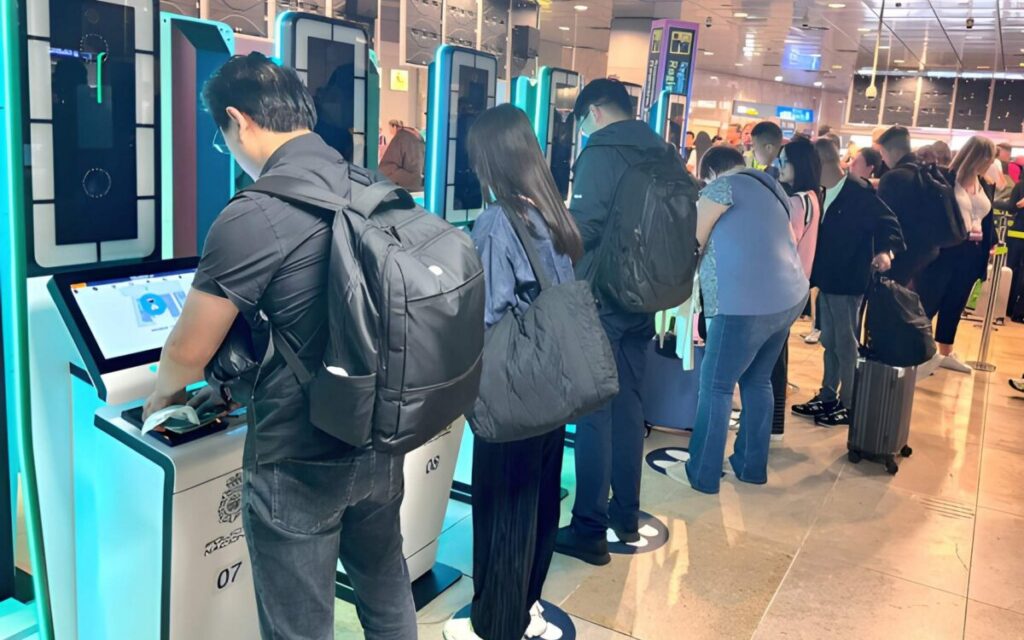
New EES machines at European airports. Credit CPN
A British woman recently got grilled by Romanian border police after the new EES system flagged her as an overstayer, beyond her allowed 3 months as a non-EU citizen. Her twin sister had popped into Amsterdam weeks earlier, but the facial scans mixed them up completely, sending the automated system into somewhat of a meltdown.
Twins cause more headaches for EU border tech
The Entry-Exit System which went live in April after years of delays, was planned as a way to ditch paper passport stamps for biometric checks across Schengen. Yet it really struggles when identical twins show up. One Brit employee at publisher Politico nearly missed her flight from Cluj-Napoca after officials claimed she had not left properly. She had never set foot in Romania or Amsterdam that trip. Her sister had.
Staff quizzed her for 15 minutes and even accused her of having lent out her passport. Different fingerprints and first names should have sorted it, but the kit leaned hard on matching faces, dates of birth and surnames. Experts reckon early glitches at Amsterdam check-ins plus sloppy Romanian procedures caused the cock-up. Romanian police later admitted staff had not followed rules and promised extra training. A lack of adequate training has been a reoccurring theme ever since the new system was rolled out.
Campaigners fear bigger trouble for twin families
Twins Trust campaigns head Victoria Morrell knows the pain all too well. Her two sets of identical boys get mixed up by facial recognition at airports, school dinners and even phone unlocks. She dreads full rollout because cameras cannot tell them apart like humans do. Spokesman Rafi Cooper urges tech bosses to treat twins as individuals, not one person. Many parents report the same hassle on social media.
Technical hitches plaguing EES so far
The problems with the new EES machines have been numerous, causing passengers to miss flights and lose money:
- Queues stretching one to five hours at peak times, way over the promised 70 seconds per person.
- Facial recognition and fingerprint failures that force manual overrides or false flags.
- Machines breaking down or glitching right after launch, with some airports falling back on paper entry.
- Botched data records leaving travellers wrongly labelled as overstayers.
- Kiosks and apps failing in most countries, pushing everyone into staffed lanes.
- Staff cutting corners by checking faces alone instead of full passport and fingerprint matches.
- Overloaded systems leading to temporary halts on biometrics at busy spots.
UK passengers face extra pain this summer
Brexit means Brits cop the full EES rules unlike most of their EU neighbours. Queues at St Pancras and the Channel Tunnel have already hit hard. Transport Secretary Heidi Alexander has raised concerns with EU officials. Von der Leyen has admitted the whole setup still needs plenty of work with member states. Frontex expects teething troubles to drag on for up to two years.
Travellers should allow extra time and check airport updates before flying. The system wants tighter border control, but right now identical twins and tech gremlins keep causing chaos.
Follow Euro Weekly News on Google News
Get breaking news from Spain, travel updates, and expat stories directly on your Google News feed.
Follow on Google NewsSign up for personalised news
Subscribe to our Euro Weekly News alerts to get the latest stories into your inbox!
By signing up, you will create a Euro Weekly News account if you don't already have one. Review our Privacy Policy for more information about our privacy practices.
Adam Woodward
Adam is a writer who has lived in Spain for over 25 years. With a background in English teaching and a passion for music, food, and the arts, he brings a rich personal perspective to his work at Euro Weekly News. As a father of three with deep roots in Spanish life, Adam writes engaging stories that explore culture, lifestyle, and the everyday experiences that shape communities across Spain.
Comments