Seven questions before lens replacement surgery abroad
By Guest Writer • Published: 21 Jul 2026 • 14:55 • 5 minutes read
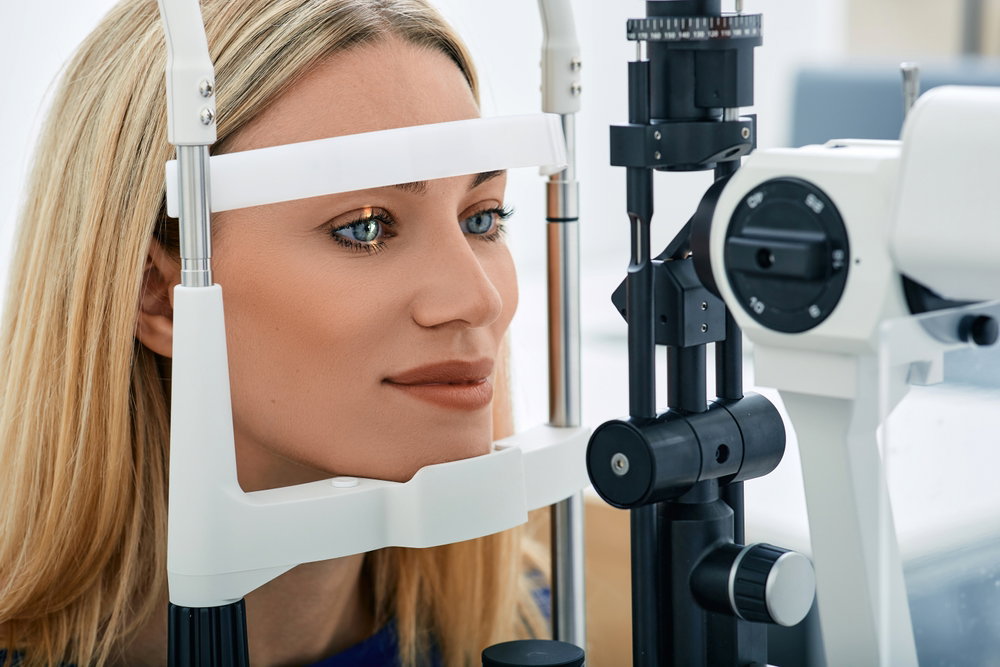
Image: Peakstock/Shutterstock.com
Travelling abroad for private eye treatment can offer access to experienced surgeons, modern clinics and a wider choice of treatment packages. It can also make treatment more affordable. However, the decision should never be based on price alone. Lens replacement is an intraocular operation, and every patient needs an individual assessment, a clear understanding of the proposed lens and a realistic plan for follow-up care.
Before booking flights or accommodation, prospective patients should ask the following seven questions.
-
Am I genuinely suitable for lens replacement?
Refractive lens exchange, also called lens replacement surgery, removes the eye’s natural lens and replaces it with an artificial intraocular lens. The procedure may be considered by people who want to reduce their dependence on glasses, particularly when age-related changes have made reading and intermediate vision more difficult.
Patients considering lens replacement surgery in Prague should first undergo a comprehensive eye examination. Suitability cannot be confirmed from age or spectacle prescription alone. The assessment should examine the cornea, retina, optic nerve, eye pressure, tear film and the dimensions of the eye.
Existing conditions such as glaucoma, macular disease, significant dry eye or retinal problems may affect whether surgery is recommended and which lens is appropriate. A reputable provider should be willing to say no, postpone treatment or recommend a different solution when lens replacement is not in the patient’s best interests.
-
Which type of lens is being recommended — and why?
There is no single “best” intraocular lens for every patient. Monofocal lenses normally focus at one main distance. Extended-depth-of-focus lenses aim to provide a broader range of useful vision, while trifocal lenses are designed to support near, intermediate and distance vision. Toric versions may be recommended when astigmatism also needs to be corrected.
The right choice depends on eye health, occupation, hobbies, night-driving requirements and tolerance of possible optical effects. Someone who regularly drives at night may have different priorities from a person whose main goal is reading without glasses.
The proposed lens can also influence the overall treatment price. Patients should compare current lens replacement surgery costs and inclusions and ask whether the quotation covers the exact lens model recommended for their eyes.
They should also ask why that particular lens has been selected, what range of vision it is expected to provide and what visual compromises may remain. Even after successful surgery, glasses may still be needed for certain activities.
-
Who will perform the operation?
The surgeon’s qualifications and experience matter more than a clinic’s marketing language. Patients should request the surgeon’s full name before travelling and check that the doctor is appropriately registered and experienced in cataract and refractive lens procedures.
It is also reasonable to ask how often the surgeon performs the procedure, whether the same surgeon will treat both eyes and who will make the final decision about lens selection. The pre-operative assessment should involve more than administrative screening; the clinical team must review the measurements and discuss the expected outcome with the patient.
Communication is equally important. Patients should know whether the surgeon speaks their language directly or whether a professional interpreter will be present during consultations and consent.
-
What is included in the quoted price?
A low headline price may not represent the final amount payable. Quotes can be presented per eye and may exclude diagnostic tests, premium or toric lenses, medication, medical examinations, airport transfers, accommodation or treatment for an unexpected issue.
Before paying a deposit, ask for a written breakdown covering both eyes and all compulsory charges. The document should explain the lens category, examinations, surgery, post-operative medication, scheduled checks and any cancellation or rescheduling conditions.
Price should always be considered alongside surgeon experience, clinical standards and aftercare. A transparent provider should explain both what is included and what could generate an additional charge.
-
What side effects and limitations should I expect?
Lens replacement can reduce dependence on glasses, but no responsible clinic should promise perfect vision or guarantee that glasses will never be needed again. Healing varies, and the final result depends on the health of the eye as well as the accuracy of the lens calculation.
Temporary blurred vision, soreness and light-related effects can occur after lens surgery. Some patients experience glare, halos, starbursts or other visual symptoms, particularly in the early recovery period. The NHS guidance on laser eye surgery and lens surgery explains common side effects and advises patients to discuss risks directly with their surgeon.
Patients should ask how the clinic manages residual prescription, prolonged inflammation, dry-eye symptoms, lens-position problems or posterior capsule opacification. They should also understand whether any corrective procedure would be included or charged separately.
-
How will follow-up care work after I return home?
Medical travel requires a clear division of responsibility between the overseas clinic and professionals at home. The provider should give written instructions, a schedule for eye drops and a contact number for urgent concerns. Patients should know which symptoms are expected and which require immediate medical attention.
Ask how many examinations will take place before the return flight and whether the clinic will provide an operative report, lens details and examination results in English. These records may be important if an optometrist or ophthalmologist needs to examine the eyes later.
Patients should not assume that every local optician can manage a surgical complication. Before travelling, it is sensible to identify where urgent ophthalmic care is available near home and to arrange suitable travel insurance. Insurance terms should be checked carefully, as standard policies may exclude planned medical treatment or complications arising from it.
-
Is the travel schedule medically sensible?
A treatment trip should allow enough time for examination, surgery and an appropriate post-operative check. Avoid choosing a schedule simply because it minimises hotel nights. The clinic should confirm when the patient is expected to be fit to fly and what restrictions apply during recovery.
Patients may be advised to avoid rubbing the eyes, swimming, dusty environments, heavy lifting or strenuous exercise for a period after surgery. Driving should only resume when vision meets the legal standard and the treating professional considers it safe.
Practical details also matter. Travelling with a companion can be reassuring, especially immediately after treatment. Medication should be carried in hand luggage, and the return journey should leave enough time for rest and scheduled checks rather than creating unnecessary pressure.
Make the decision on evidence, not urgency
Lens replacement abroad can be a reasonable option for carefully selected patients, but it should be approached as a medical decision rather than a discounted holiday purchase. The strongest providers are transparent about suitability, lens selection, risks, costs and aftercare. They do not pressure patients to book before their clinical information has been reviewed.
A patient who receives clear answers to these seven questions is in a much better position to compare clinics and make an informed decision. Taking extra time before booking can help ensure that the chosen treatment, surgeon and travel plan are aligned with the patient’s eyes, lifestyle and long-term expectations.
This article provides general information and is not a substitute for an individual assessment or medical advice from a qualified ophthalmologist.
Follow Euro Weekly News on Google News
Get breaking news from Spain, travel updates, and expat stories directly on your Google News feed.
Follow on Google NewsSign up for personalised news
Subscribe to our Euro Weekly News alerts to get the latest stories into your inbox!
By signing up, you will create a Euro Weekly News account if you don't already have one. Review our Privacy Policy for more information about our privacy practices.





Guest Writer
Comments