Want to buy an electric car and get €4,500 off? Here’s how Spain’s new Plan Auto+ works
By Adam Woodward • Published: 21 Jul 2026 • 23:01 • 4 minutes read
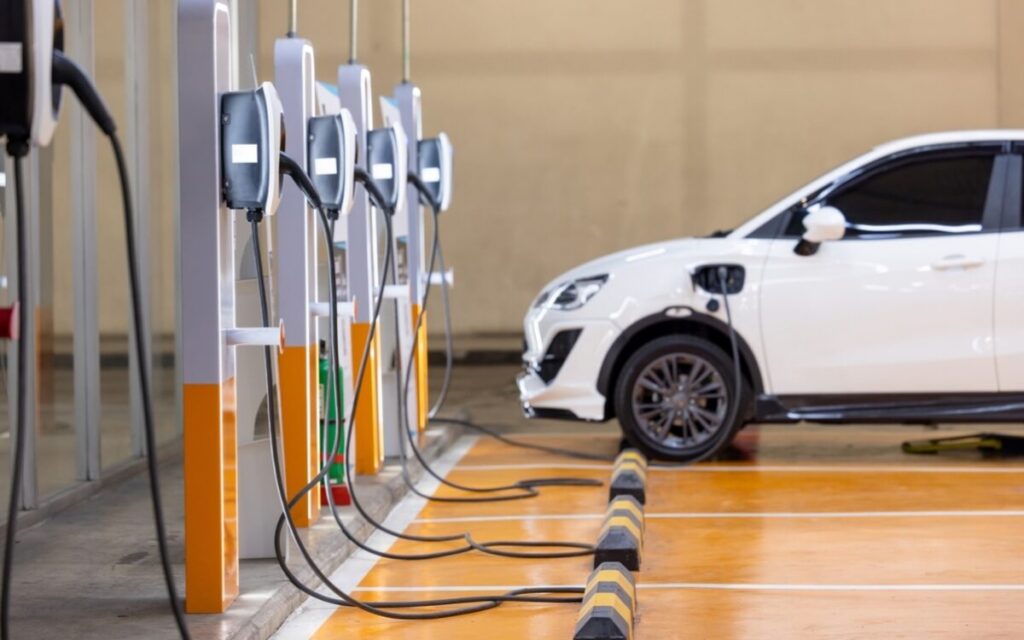
Electric car charging, if you can find one! Credit: Darunrat Wongsuvan - Shutterstock
Spanish ministers gave the green light this week to Plan Auto+, a new round of direct grants that puts real cash back in the pockets of anyone buying a cleaner-smelling car. Up to €4,500 is now available for many pure electric cars, with the scheme running from 1 January 2026 and a total pot of €400 million, so the discount can be backdated for anyone who’s just bought one. It picks up where the old Moves III scheme left off and hopes to push more European-made models onto Spanish roads, while Spanish ports fill up with imported Chinese ones.
Industry and Tourism Minister Jordi Hereu spelt out the goal clearly after the cabinet meeting. He wants people to choose electric cars that are affordable and built in Europe or Spain. Pure electric models under €35,000 (price on the invoice before tax and after any dealer discounts) sit at the top of the priority list.
Those buyers who fit the rules can claim one grant per person. Self-employed workers and small firms get a bit more flexibility, with companies able to apply for up to ten vehicles. Applications will open on a government online platform. Dealers and leasing firms can handle the paperwork for you if you prefer, so ask at your local showroom.
Sales of electrified vehicles already climbed 39 per cent in the first half of the year, reaching more than 154,000 units across Spain. Passenger cars with electric power made up 23 per cent of new registrations in the latest month. Politicians expect that new cash influx to keep that momentum going.
How much cash can you actually get?
The full maximum of €4,500 lands only on pure, pure, pure electric cars that tick every box. The government has set a simple three-part score called EEE – “Electric, Economic and European”.
Pure battery-electric cars score 50 per cent of the top figure. Models priced under €35,000 before tax pick up another 25 per cent. Final assembly in the European Union plus some battery work done inside the EU adds the last 25 per cent. Hit all three and the full €4,500 arrives.
Plug-in hybrids or range-extender models with the official zero-emission label drop to a maximum of €3,375 if they still meet the price and European-build rules. Cars costing between €35,000 and €45,000 before tax receive a smaller share. Anything above €45,000 gets nothing.
Light vans and small trucks under 3.5 tonnes can claim up to €5,000 with no price cap. Dealers must knock at least €1,000 off the sticker price on top of the government grant for both cars and vans.
Which cars qualify for the full €4,500?
Only models carrying the DGT “zero-emission” sticker make the cut. Pure electric versions under the €35,000 threshold and assembled in Europe stand the best chance of the top payout. Battery packs that are also put together inside the EU push the score higher still.
Chinese-built cars can still qualify for part of the money if they meet the price and emission rules, but they miss the European manufacturing bonus. Shop around for Spanish or wider EU production if you want every euro available.
Electric motorbikes with a top speed above 45 km/h, at least 3 kW of power and 70 km of range can claim up to €1,100 provided the bike costs no more than €10,000. Light and heavy quads pick up as much as €1,500.
Step-by-step guide to claiming your subsidy
- First, pick a qualifying vehicle and get a firm quote from a registered dealer. Make sure the invoice price before tax and after discounts stays inside the limits.
- Next, either fill in the online form yourself once the platform goes live or ask the dealer to submit the application for you. Most big brands already plan to handle the process and often deduct the grant from the amount you pay on the day.
- Keep the vehicle registered in your name and hold on to it for the minimum period set in the final rules – usually two years or more. Individuals can claim only once. Self-employed people may apply for up to three vehicles and companies up to ten.
- Permanent residents (expats too) with a valid NIE stand in the same queue as Spanish nationals.
- Proof of address and tax status will be needed, but nationality itself is not a barrier.
- Money is paid as a direct grant after approval. Dealers often advance the cash so you see the discount immediately. Keep every invoice and registration document; checks can happen later.
Will the money run out?
Industry groups worry the €400 million will dry up by September or October. Minister Hereu pushed back, saying the government believes the budget will cover the full year. Still, popular models could sell out of subsidy allocations first. Acting early improves the odds of locking in the full amount.
Final rules will appear in the Official State “Boletín de Estado” shortly. Once published, purchases made from the start of 2026 become eligible.
Common questions answered
- Who can apply? Private individuals, self-employed people and companies registered for tax in Spain. One grant per private buyer.
- Does the car have to be brand new? New or recently registered models (first registered in Spain on or after 1 January 2025) bought through a dealer both qualify.
- Can I claim if I live in Spain on a permanent residency card? Yes. NIE holders who meet the normal residency and tax checks are eligible.
- Is renting or leasing allowed? Private buyers usually need to buy outright. Self-employed people and companies can use renting in many cases.
- What happens if the car costs €36,000 before tax? You still receive a reduced grant provided it stays under €45,000 and meets the other rules.
- Do Chinese-made electric cars get the full €4,500? Only if they somehow meet the European manufacturing criteria. Most will receive a lower figure.
- When do applications open? As soon as the detailed call is published in the Official State Gazette. Purchases from 1 January 2026 already count.
- Can I combine this with other help? Plan Auto+ works with some tax deductions and energy certificates, but not with certain fleet schemes.
Shop around, check the European origin of the model you like, and get the dealer to run the numbers. The difference between a full €4,500 grant and a smaller one often comes down to the price tag and where the car was put together.
Happy car shopping!
Follow Euro Weekly News on Google News
Get breaking news from Spain, travel updates, and expat stories directly on your Google News feed.
Follow on Google NewsSign up for personalised news
Subscribe to our Euro Weekly News alerts to get the latest stories into your inbox!
By signing up, you will create a Euro Weekly News account if you don't already have one. Review our Privacy Policy for more information about our privacy practices.




Adam Woodward
Adam is a writer who has lived in Spain for over 25 years. With a background in English teaching and a passion for music, food, and the arts, he brings a rich personal perspective to his work at Euro Weekly News. As a father of three with deep roots in Spanish life, Adam writes engaging stories that explore culture, lifestyle, and the everyday experiences that shape communities across Spain.
Comments