France puts under-15 social media accounts on a four-month clock
By Harry Dennis • Published: 22 Jul 2026 • 17:24 • 4 minutes read
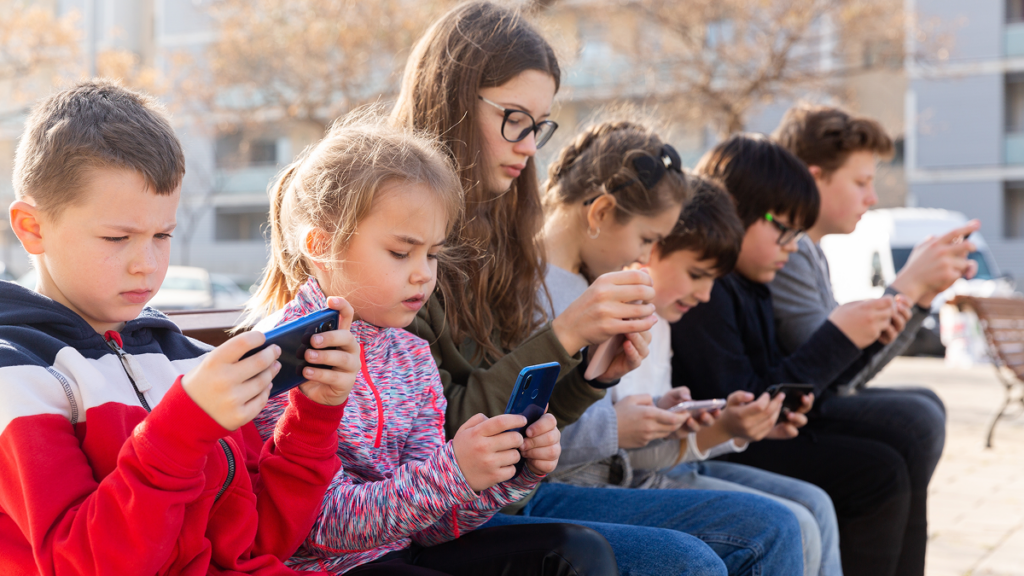
Social media age limits are tightening across Europe. Credit: Bearfotos / Shutterstock
Children’s existing TikTok or Instagram profiles in France now have an expiration date. New sign-ups face a September cutoff, while older accounts have until January, turning an ambitious ban into Europe’s biggest age-checking test.
September stops new accounts and January catches the rest
France has become the first European country to carry a nationwide social media ban for under-15s through both houses of parliament. The National Assembly and Senate approved the final compromise text on Tuesday, July 21. Subject to formal promulgation and any constitutional or European legal challenges, the first part is scheduled to take effect on September 1, 2026.
From that date, children under 15 would be prohibited from opening new social media accounts and those created earlier will receive another four months, taking the final deadline to January 1, 2027. This doesn’t mean every profile will suddenly be deleted. Platforms will first need to prevent under-15s from continuing to access their services, which could involve blocking, suspending or closing accounts once a user’s age has been officially established.
Unlike France’s earlier rules, parental permission would not allow a younger child to bypass the restriction. However, the adopted parliamentary text excludes online encyclopaedias, educational and scientific directories and certain open-source educational platforms.
It does not contain a definitive list of affected apps. TikTok, Instagram, Snapchat, Facebook and X are obvious candidates, but hybrid services combining videos, messaging, gaming and public posts like Discord, YouTube or Reddit may need further clarification.
The same legislation extends France’s mobile-phone prohibition to lycées, the schools generally attended by pupils aged 15 to 18, from the 2026–27 academic year. Individual schools will set out practical arrangements and exceptions in their internal rules.
The ban may put adult accounts through an age check too
Keeping children out requires platforms to work out who is old enough to remain, and that’s where the change begins to affect adults as well. Platforms are expected to use approved age-assurance systems, but France’s final parliamentary text does not prescribe one universal method. Checks could involve an identity document, a mobile operator, existing account information or software estimating whether a person is above the age threshold.
The European Commission is developing a privacy-focused “mini wallet” that can confirm someone is above a particular age without sending their name, date of birth or full identity to the social network. Member states have been encouraged to begin rolling out compatible tools by the end of 2026.
For many long-established adult accounts, platforms may already have enough reliable information to avoid a fresh check. Others could be asked to prove their age when creating an account, recovering one or accessing social media without signing in.
That makes privacy and accuracy central to the French experiment. A system must identify children who may have entered a false birthday without locking adults out or forcing everyone to hand sensitive identity documents directly to technology companies.
How Australia showed that passing the ban is the easy part
Australia’s under-16 restriction offers an early indication of how difficult enforcement can be. A University of Newcastle study followed 408 adolescents before and three months after the Australian rules began. Around 86 per cent of participating under-16s said they had still accessed at least one restricted platform during the previous week. Only two-thirds encountered an age check. Some used false accounts, profiles belonging to friends or relatives, or private browsing to get around restrictions.
The researchers stressed that these were early, self-reported findings and that compliance systems may improve. However, the results suggest that France’s success going forward will depend heavily on how consistently platforms can detect the age of their users and close loopholes.
France’s health agency, ANSES, has meanwhile reviewed more than 1,000 scientific studies related to phone use. It identified possible negative effects involving sleep, self-esteem, anxiety, depression and exposure to cyberviolence. It also found that 58 per cent of French 12 to 17-year-olds use social media daily. The agency recommended that minors should only access services designed and configured to protect their health. That supports tougher safeguards, although it does not by itself prove that a blanket national ban will improve children’s wellbeing.
The UK has committed while Spain is still negotiating
The UK is no longer simply considering whether to follow France. On June 15, the British government committed to preventing under-16s from using certain social media platforms. The first regulations are expected before the end of 2026, with implementation planned for spring 2027. The intended scope includes TikTok, Instagram, Snapchat, Facebook, X and YouTube, while private messaging services such as WhatsApp and Signal are expected to remain available.
Spain’s position is less settled. Prime Minister Pedro Sánchez announced an under-16 restriction in February, but no nationwide ban has yet taken effect. As recently as July 7, the government said it was still negotiating legislation to prevent under-16s from accessing social media. Spain is also developing a Digital Wallet capable of confirming age online while limiting the personal information shared with platforms.
On September 1, people should start to see a wide variety of discussion around the new ban, when France intends to stop the creation of new under-15 accounts. Then by January, platforms will be expected to show whether they really can identify and stop the children already using their services.
Follow Euro Weekly News on Google News
Get breaking news from Spain, travel updates, and expat stories directly on your Google News feed.
Follow on Google NewsSign up for personalised news
Subscribe to our Euro Weekly News alerts to get the latest stories into your inbox!
By signing up, you will create a Euro Weekly News account if you don't already have one. Review our Privacy Policy for more information about our privacy practices.




Harry Dennis
Born in the UK and raised on the Cádiz coast, Harry brings his background in design, music, and photography to his writing for Euro Weekly News, sharing stories that celebrate culture and lifestyle across Spain and beyond.
Comments