Murcia’s calima turns dangerous as toxic air hits asthma and allergy sufferers hardest
By Molly Grace • Published: 23 Jul 2026 • 22:53 • 2 minutes read
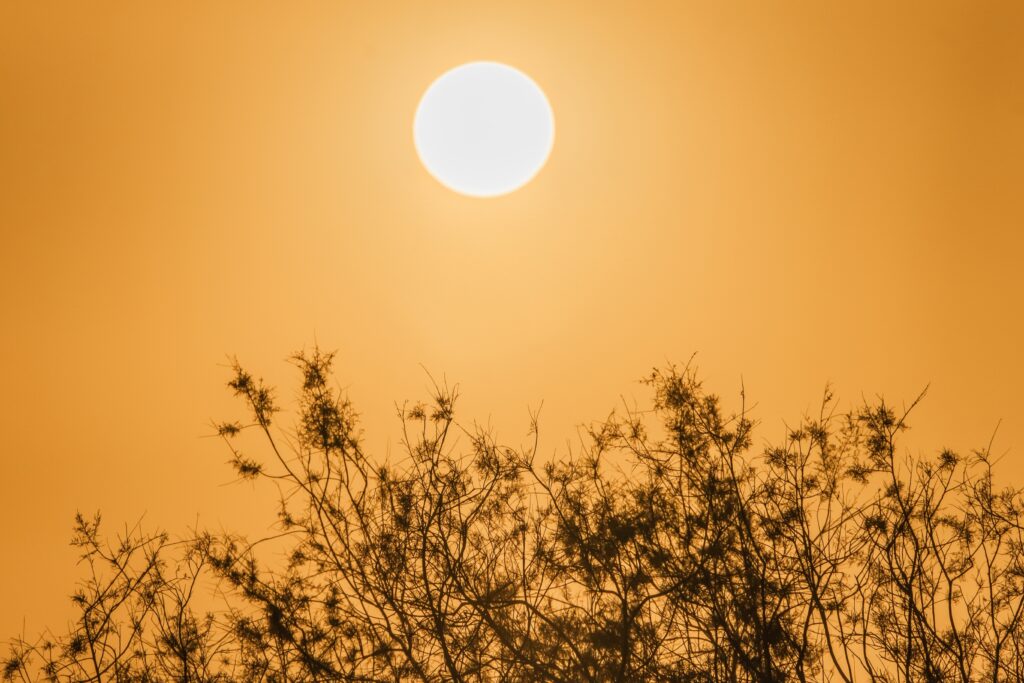
The Region of Murcia continues to advise vulnerable groups. Photo credit: Elena Krivorotova/Shutterstock
For many people across the Region of Murcia, stepping outside this week has meant little more than wiping a layer of dust from the car. For others, it has meant reaching for an inhaler. As a prolonged episode of poor air quality continues to blanket south-east Spain, people living with asthma, chronic lung disease and seasonal allergies are feeling the effects long before they see the haze on the horizon.
The culprit isn’t simply the familiar calima that turns skies milky and leaves balconies coated in Saharan dust. According to the Region of Murcia’s official air quality monitoring network, concentrations of the smallest and most harmful airborne particles, known as PM2.5, have continued to worsen, raising fresh concerns for public health. Invisible to the naked eye, these microscopic particles are small enough to travel deep into the lungs and even enter the bloodstream, making them one of the most dangerous forms of air pollution.
When a simple walk becomes a struggle
For people with asthma or chronic respiratory illnesses, poor air quality can quickly turn an ordinary day into a difficult one. An evening walk, a trip to the supermarket or even sitting outside for lunch can trigger coughing, wheezing, chest tightness or shortness of breath when pollution levels remain high.
Doctors also warn that those living with COPD, emphysema and other chronic lung conditions are particularly vulnerable during episodes like this, as their airways are already compromised. Even healthy people may notice irritated eyes, sore throats or an uncomfortable feeling when breathing after prolonged exposure to the dusty air.
Bad news for allergy sufferers
The current conditions are also proving unwelcome for the thousands of people already battling seasonal allergies. While Saharan dust does not cause hay fever, it can irritate inflamed airways and make existing allergy symptoms feel considerably worse.
Many residents have reported more frequent sneezing, itchy eyes, irritated throats and persistent coughing as the calima combines with the region’s summer pollen levels. For some, it has become difficult to tell whether they are suffering from allergies, pollution or a combination of both.
Official advice as pollution levels remain high
The Region of Murcia continues to advise vulnerable groups to reduce prolonged outdoor activity while the episode persists. Children, older adults, pregnant women and people with respiratory or cardiovascular conditions are being urged to avoid unnecessary physical exertion outdoors, particularly during the hottest hours of the day.
Residents are also encouraged to monitor the region’s official air quality network, which provides real-time updates on pollution levels across Murcia. The combination of extreme heat and poor air quality places additional strain on the body, increasing the importance of staying hydrated and seeking cooler indoor environments whenever possible.
Waiting for the wind to return
Unlike a thunderstorm or heavy rain, calima often has no dramatic ending. The dust can remain suspended in the atmosphere for days until changing weather patterns finally disperse it. Until then, thousands of residents will continue checking not only the temperature forecast, but also the quality of the air they are breathing.
For those living with asthma, allergies or chronic lung disease, the current episode is about far more than dirty cars or hazy skies. It is about something far more personal, The simple act of taking a deep breath, and for many across Murcia this week, that has become far harder than it should be.
Follow Euro Weekly News on Google News
Get breaking news from Spain, travel updates, and expat stories directly on your Google News feed.
Follow on Google NewsSign up for personalised news
Subscribe to our Euro Weekly News alerts to get the latest stories into your inbox!
By signing up, you will create a Euro Weekly News account if you don't already have one. Review our Privacy Policy for more information about our privacy practices.



Molly Grace
Molly is a British journalist and author who has lived in Spain for over 25 years. With a background in animal welfare, equestrian science, and veterinary nursing, she brings curiosity, humour, and a sharp investigative eye to her work. At Euro Weekly News, Molly explores the intersections of nature, culture, and community - drawing on her deep local knowledge and passion for stories that reflect life in Spain from the ground up.
Comments