World’s first octopus farm left dead in the water in Spain
By Harry Dennis • Published: 24 Jul 2026 • 16:36 • 3 minutes read
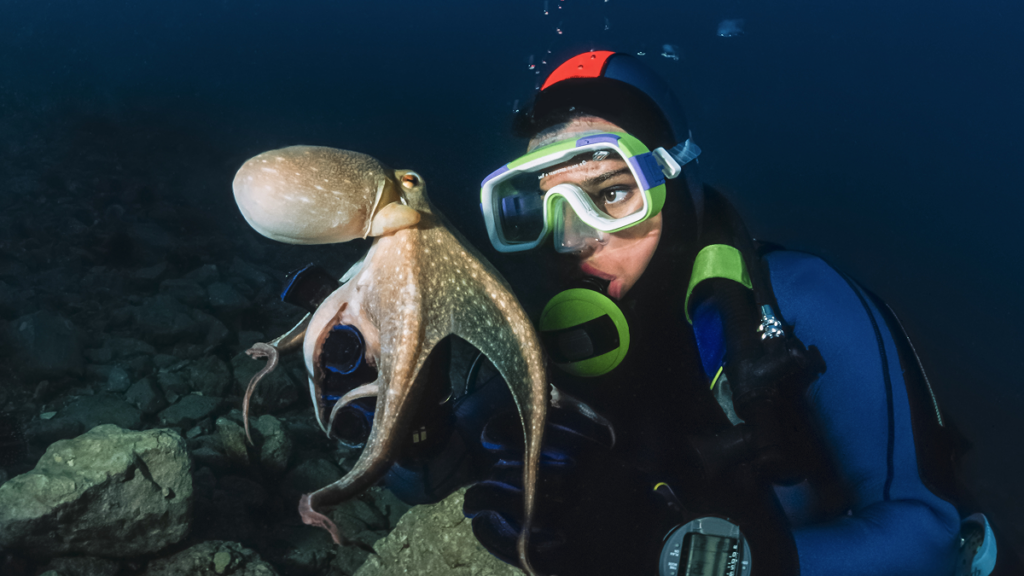
More than 300 scientific studies found “very strong evidence of sentience” in octopods. Credit: Angelo Giampiccolo / Shutterstock
Thousands of tonnes of octopus were meant to leave a purpose-built facility at Las Palmas port every year. Instead, the tanks will remain on paper, although Spain has neither banned the practice nor closed the door on another attempt.
The Las Palmas application is closing after five years
Nueva Pescanova formally withdrew its application to install the world’s first commercial octopus farm at Las Palmas port on July 23. The withdrawal document and Port Authority response said the concession file opened in May 2021 would now be archived, ending the project in its current form.
The company attributed its decision exclusively to business and regulatory considerations. It said new administrative requirements from the Canary Islands’ Environmental Assessment Commission had substantially changed the original project’s conditions, scope, timetable and regulatory demands. Environmental processing had identified issues requiring further examination and placed the project under an ordinary environmental assessment, a more extensive procedure than the simplified review initially conducted.
That earlier review identified possible significant adverse effects, including odours near a passenger terminal and deterioration of port water caused by organic waste, according to environmental documents examined by elDiario.es.
Nueva Pescanova said its withdrawal did not amount to an admission that octopus farming was environmentally unviable. It also left open the possibility of considering different technology, environmental measures or locations.
How the three thousand tonnes figure put octopus welfare under scrutiny
The Gran Canaria facility was intended to produce approximately 3,000 tonnes of octopus annually for domestic and international food markets. Nueva Pescanova previously said it had developed conditions that allowed octopuses to coexist in captivity without aggression or cannibalism. Its researchers had bred five generations at the company’s Galicia research centre, according to Reuters’ reporting from the facility.
The proposed scale, however, placed the intelligence and welfare of the animals under intense scrutiny. A London School of Economics review drew on more than 300 scientific studies and found “very strong evidence of sentience” in octopods. The researchers concluded that high-welfare commercial farming would be impossible under the proposed intensive conditions.
Separate peer-reviewed research into pain found that octopuses avoided places associated with injury and preferred locations where they had received pain relief. The study concluded that their behaviour was consistent with experiencing the emotional component of pain.
Supporters of aquaculture presented a different argument. Eduardo Almansa of the Spanish Oceanography Institute told Reuters in 2022 that wild fisheries had reached their limit and aquaculture was the only available alternative if current levels of octopus consumption were to continue.
How one documentary could have changed consumer’s minds
The 2020 Netflix documentary My Octopus Teacher introduced a vast audience to the intelligence and behaviour of a wild common octopus. The film won the 2021 Academy Award for best documentary and reportedly influenced some viewers’ diets. Sir Richard Branson was among those who gave up eating octopus after seeing it, according to an interview with filmmaker Craig Foster.
Similar reactions appear online. One contributor to a Reddit discussion about the documentary wrote: “After watching the documentary, I stopped eating octopus.”
These reactions show that the film changed some people’s minds, but may not establish a wider shift in public consumption or opinion. Spanish government figures are too fragmented to answer that question conclusively. In the 12 months to November 2025, household purchases in the combined squid-and-octopus category rose by 6.8 per cent. However, the Agriculture Ministry dataset says this category also includes cuttlefish, pota and chipirones. A much smaller tinned-octopus category fell by 37.5 per cent over the same period.
Neither figure measures overall octopus consumption by itself. There is therefore no firm evidence that people across Spain are eating less octopus.
The project is gone, but Spain has not banned octopus farming altogether
Campaigners have welcomed the withdrawal, but it was a company decision rather than a nationwide prohibition. A bill proposing to prohibit octopus aquaculture in Spain was admitted for parliamentary processing in June 2025. The Congress of Deputies’ current record shows that it is still awaiting consideration by the full chamber and has not become law.
There is also no specific European Union welfare legislation governing commercially farmed molluscs. Live cephalopods used in scientific research receive protection under EU rules, creating a legal difference between octopuses in laboratories and those raised for food.
Commercial research may continue. Nueva Pescanova’s aquaculture website still names octopus as one of the new farming species studied at its Pescanova Biomarine Center in Galicia. But the immediate questions are whether Spain’s Congress advances the proposed ban and whether Nueva Pescanova eventually explores another design or location. Under the withdrawn Las Palmas application, however, the farm will not be built.
Follow Euro Weekly News on Google News
Get breaking news from Spain, travel updates, and expat stories directly on your Google News feed.
Follow on Google NewsSign up for personalised news
Subscribe to our Euro Weekly News alerts to get the latest stories into your inbox!
By signing up, you will create a Euro Weekly News account if you don't already have one. Review our Privacy Policy for more information about our privacy practices.





Harry Dennis
Born in the UK and raised on the Cádiz coast, Harry brings his background in design, music, and photography to his writing for Euro Weekly News, sharing stories that celebrate culture and lifestyle across Spain and beyond.
Comments