How AI is making 3D design accessible to everyone
By Guest Writer • Published: 27 Jul 2026 • 10:18 • 3 minutes read
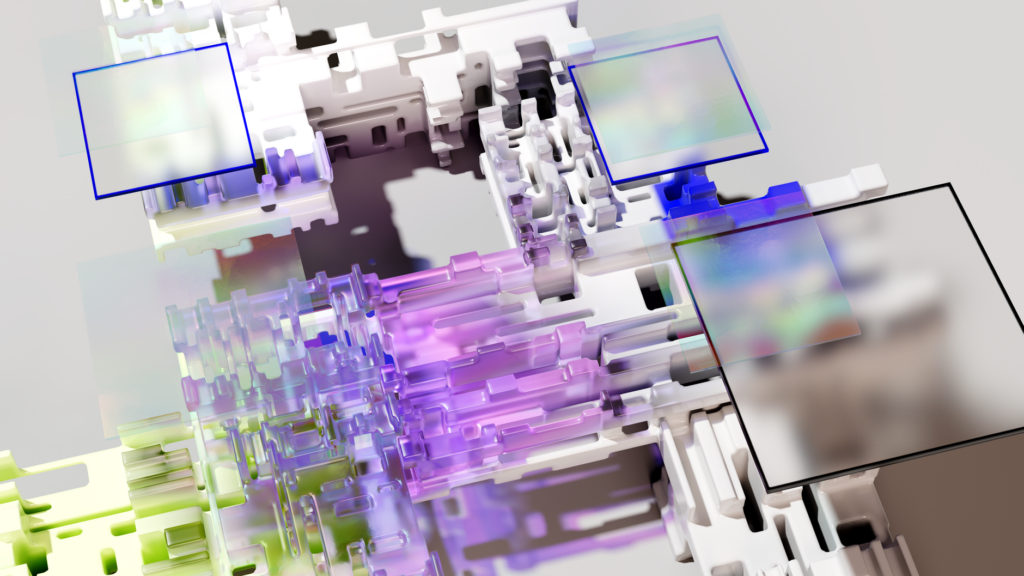
Rose Pilkington-googledeepmind/Unsplash.com
For years, creating a convincing 3D object meant learning specialist software, understanding geometry and spending hours shaping, texturing and refining a model. That made 3D design powerful, but difficult for newcomers to enter.
Generative AI is beginning to change that. Instead of building every surface manually, creators can describe an idea in words or use an image to 3D tool on platform like Meshy to turn a reference picture into a digital object. The result may still need editing, but the blank canvas is no longer quite so intimidating.
From technical craft to guided creation
Traditional 3D modelling is a skilled discipline, and AI does not remove the need for judgement. What it changes is the starting point. A beginner can ask for a ceramic lamp, a fantasy treasure chest or a shop display and receive a model to explore.
Meshy Text to 3D works especially well during the idea stage. A prompt can produce several directions quickly, allowing users to compare shapes and styles before committing to a final design. Image to 3D is useful when there is already a sketch, product photograph or piece of concept art to work from.
The user moves from operating every tool directly to describing the outcome, reviewing what appears and refining it through further instructions.
Why this matters beyond professional studios
The clearest benefit is access. Small teams, students, independent makers and hobbyists can test ideas without beginning with a long software course. A café owner could visualise a display unit. A teacher could create an object for a lesson. A game developer could produce background props for an early prototype.
For marketers, AI 3D modelling opens another route to product visualisation. A proposed package or piece of furniture can enter a digital scene before a physical sample exists, giving teams something more concrete than a written description.
AI-generated assets also fit XR, AR and VR projects, where digital objects populate interactive spaces. Digital twins and simulations may demand greater precision, but rapid models can still help teams explore concepts.
A faster path from picture to object
Image-based generation is easy to understand because it starts with something familiar. Upload a clear picture, allow the system to interpret its shape and materials, and then inspect the model from different angles.
Meshy is one example of the wider generation of creative AI tools moving in this direction. Its platform combines text-to-3D and image-to-3D creation with texturing, rigging, animation and export options for common 3D workflows. The appeal is not that one click replaces an entire production pipeline. It is that more of the early work can happen in one place.
That can help game developers produce props and environmental objects for prototypes. It can also support 3D printing, although models still need checks for scale, wall thickness and closed geometry.
The human role is changing, not disappearing
AI-generated models are not automatically accurate, original or ready for final use. A tool may misread hidden surfaces, produce awkward geometry or invent details that were not visible in the source image. Mechanical parts, realistic faces and objects that must meet exact measurements are likely to require more hands-on correction.
There are creative questions too. Users need to think about the rights attached to reference images, whether a generated design resembles existing work and where AI assistance should be disclosed. Faster creation does not remove responsibility for the result.
This is why 3D skills remain valuable. Knowledge of proportion, topology, materials, lighting and animation helps a creator recognise problems and improve the output. AI can shorten the route to a first draft, but taste and technical understanding decide whether it becomes useful.
What beginners should try first
Start with a simple object and a clear reference image containing one main subject, little background clutter and visible edges. Generate the model, rotate it slowly and look for missing areas, distorted shapes or textures that do not line up.
Next, try a text prompt describing form, material and style. “A small rounded bedside table in pale oak with one drawer” gives the AI more direction than “make furniture”. Comparing text-based and image-based results reveals where each method is strongest.
The final step is refinement. Adjust the prompt, simplify the geometry, replace weak textures or export the model into familiar software. The process works best when AI is treated as a collaborator rather than an automatic finishing machine.
3D creativity is becoming more open
The larger change is not that everyone will become a professional modeller overnight. It is that more people can participate in 3D design at the idea and prototype stages.
As AI 3D generators improve, the distance between imagining an object and seeing it in digital form is becoming shorter. For creators, businesses and hobbyists, fewer ideas have to remain sketches. The next wave of digital creativity may be less about mastering every control and more about knowing what to ask for, what to keep and what still needs a human hand.
Follow Euro Weekly News on Google News
Get breaking news from Spain, travel updates, and expat stories directly on your Google News feed.
Follow on Google NewsSign up for personalised news
Subscribe to our Euro Weekly News alerts to get the latest stories into your inbox!
By signing up, you will create a Euro Weekly News account if you don't already have one. Review our Privacy Policy for more information about our privacy practices.




Guest Writer
Comments