Shocking 180% rise in Almeria speeding fines as new cameras rake in millions
By Adam Woodward • Published: 27 Jul 2026 • 10:34 • 3 minutes read
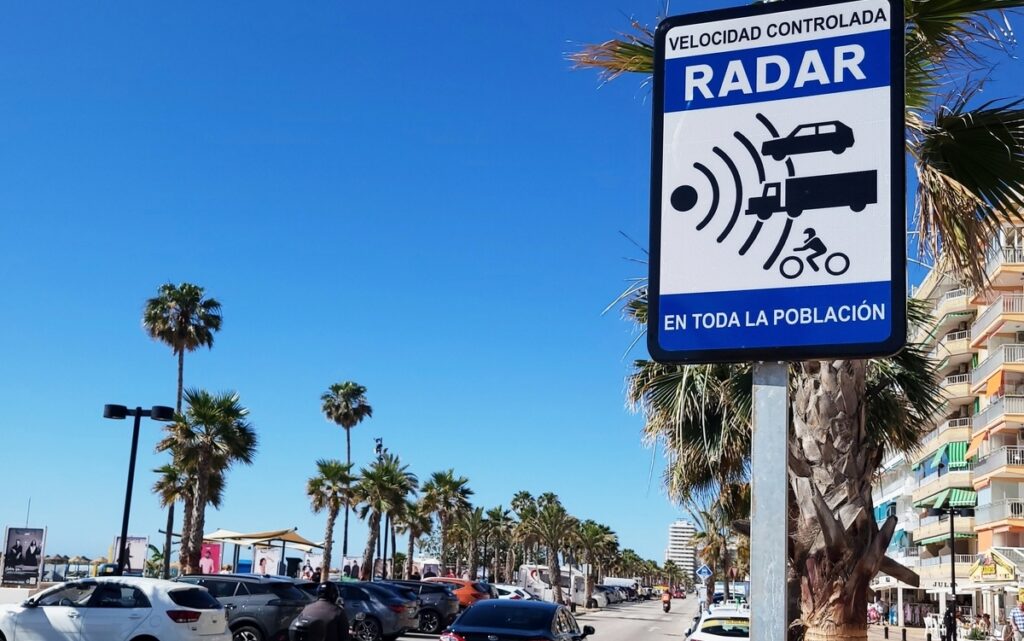
Almeria tops charts of most speeding fines. Credit: Capturing Images - Shutterstock
Drivers in Almeria have been stung harder than almost anywhere else in Spain after two brand-new speed cameras have set off a brutal 180 per cent leap in cash from speeding tickets. Income from those fines rocketed from €1.5 million in 2024 to €4.2 million in 2025, the sharpest jump recorded anywhere in the country.
Total traffic fine takings in the province climbed 32.5 per cent to €13.2 million, but the real damage came from the speed cameras alone. Between them, the pair handed out more than 45,765 tickets in their first full year, delivering a daily average of 125 fines and sending a clear message that the days of easy-going passing the speed limit a little on local roads are well and truly over.
National figures from Automovilistas Europeos Asociados show Spain’s drivers paid more than €246 million in speed fines last year, a 14 per cent rise. The organisation insists the jump is not down to worse driving but the strategic placement of new devices by the Direccion General de Trafico. Almeria’s two newcomers have proved that point in spectacular fashion.
Almeria’s deadliest new speed cameras
Top of the local pile sits the fixed camera on the AL-3117 at El Mami, pointing towards the La Juaida industrial estate. It alone issued a whopping 29,910 speeding tickets in 2025, an average of 82 every single day. Restricted to 50 kilometres per hour, this camera wasted no time making its presence felt. In its first 100 days of proper operation it handed out 11,377 fines, and by the six-month mark the total had already reached nearly 22,000. Vandals damaged the unit before it even switched on, delaying its start, yet once active, it quickly became the province’s most prolific enforcer and biggest money-maker.
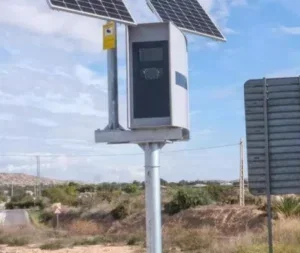
Credit: Conceded
Not far behind is the camera on the A-1050 between La Mojonera and El Ejido. It registered 15,855 fines in its debut year, averaging 43 tickets a day. Both devices formed part of a wider DGT rollout of 24 new cameras, 17 fixed and seven average-speed, that went live on January 21, 2024. Three of them landed in Almeria, including a section-control camera on the A-370 between Los Gallardos and the port of Garrucha limited to 90 kilometres per hour.
One month warning before real pain began
For the first 30 days the new cameras issued only warning letters. More than 11,000 drivers received those notices, 7,770 of them from the El Mami camera alone. Once the grace period ended, the tickets started flying and the money poured in.
Andalucia’s wider speed camera pressure
Almeria’s story fits a bigger Andalucian pattern. The camera at kilometre 968 of the A-7 in Malaga remains one of Spain’s most active, issuing 45,050 fines last year, an average of 123 every day, and still ranking inside the national top five. The Cadiz province collected €16.5 million in traffic fines, the third-highest total in Spain. Other busy Andalucian sites include the A-381 at kilometre 74 with 36,925 tickets, a camera on the A-7 near kilometre 1107 that leapt from just 161 fines to 28,091 in a single year, the A-92 in Granada with 23,447, the SE-30 in Sevilla with 23,740 and the A-4 in Cordoba with 21,792.
Spain’s speed fine machine keeps rolling
Across the whole country, just 50 cameras out of more than a thousand produced 1.34 million tickets; that’s almost half the national total. The single busiest unit sits at kilometre 326 of the A-7 in Valencia with 90,766 fines. Speeding now accounts for 41.5 per cent of all traffic penalties issued by the DGT. For drivers in Almeria the message is simple: two new cameras have rewritten the local rulebook, and the cost of getting caught has never been higher.
Follow Euro Weekly News on Google News
Get breaking news from Spain, travel updates, and expat stories directly on your Google News feed.
Follow on Google NewsSign up for personalised news
Subscribe to our Euro Weekly News alerts to get the latest stories into your inbox!
By signing up, you will create a Euro Weekly News account if you don't already have one. Review our Privacy Policy for more information about our privacy practices.





Adam Woodward
Adam is a writer who has lived in Spain for over 25 years. With a background in English teaching and a passion for music, food, and the arts, he brings a rich personal perspective to his work at Euro Weekly News. As a father of three with deep roots in Spanish life, Adam writes engaging stories that explore culture, lifestyle, and the everyday experiences that shape communities across Spain.
Comments