London scientists make a major deep-sea breakthrough off southern Spain
By Molly Grace • Updated: 31 Jul 2026 • 23:50 • 4 minutes read
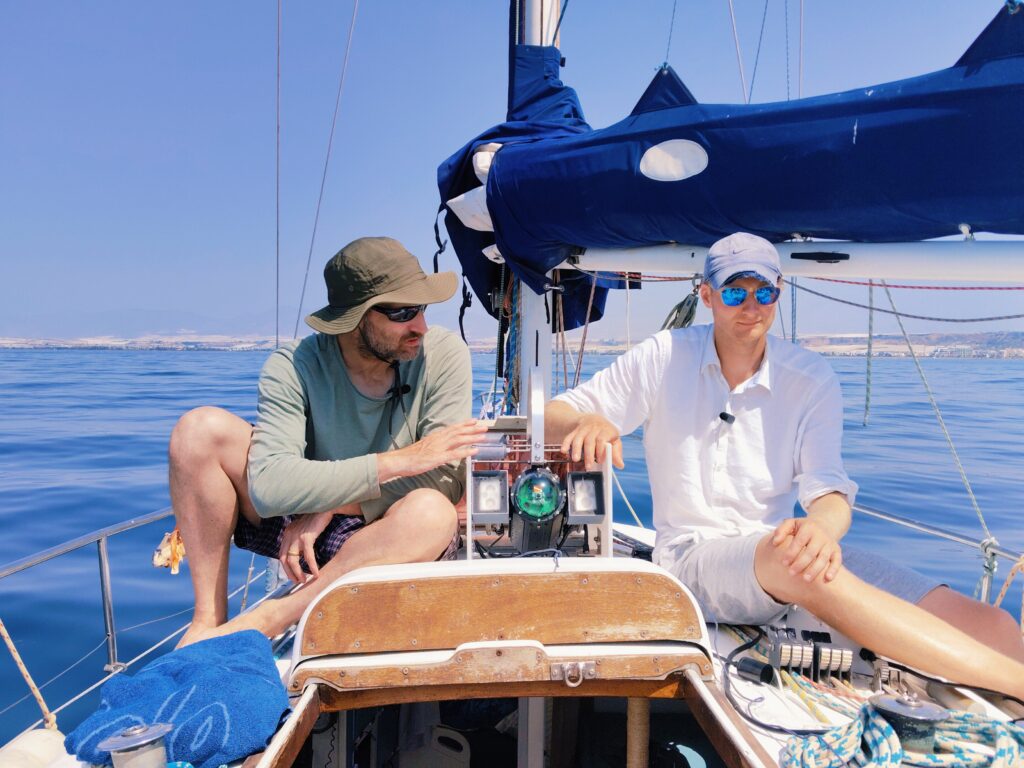
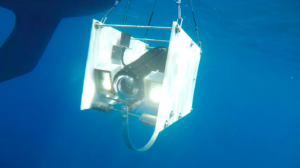
The milestone was achieved using a camera system costing well under £2,000 and deployed from Pelagics Conservation’s research vessel R/V Lokate. Photo credit: Pelagics Conservation
For centuries, the deepest parts of the ocean have remained one of Earth’s greatest mysteries. Now, Euro Weekly News has been given exclusive access to the first images captured by a prototype low-cost deep-sea camera, successfully tested from Pelagics Conservation’s research vessel R/V Lokate off the coast of Almerimar, Almería.
The test formed part of the “Deep and Cheap” project, an international collaboration between the Zoological Society of London (ZSL), the International SeaKeepers Society and Pelagics Conservation, a marine conservation NGO based in Almerimar. The project aims to make deep-sea observation more accessible by developing affordable technology that could allow researchers across the world to explore areas currently out of reach.
A vast ocean still waiting to be explored
Although oceans cover around 65 per cent of Earth’s surface, scientists have gathered imagery from less than 0.001 per cent of the deep sea. Much of what is known comes from waters close to wealthy nations or areas of commercial interest, leaving enormous sections of the underwater world unexplored. Deep-sea research has traditionally depended on expensive equipment such as remotely operated vehicles, autonomous underwater landers and crewed submersibles.
These technologies provide valuable information but require major financial investment, limiting access for many smaller organisations. The Deep and Cheap project hopes to change that by creating simpler and cheaper tools that could allow more scientists to study the oceans.
The prototype designed to democratise science
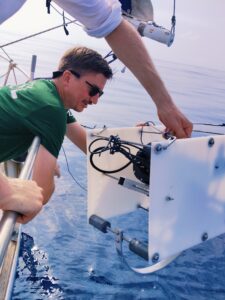
Led by Dr Stephen Long of ZSL, the project developed a prototype camera system using inexpensive materials and open-source computing. The device was designed over several months at ZSL’s Conservation Tech Lab in London. While the current camera remains a prototype, the long-term ambition is to produce multiple affordable systems that could be distributed worldwide.
For some countries, this could provide the first opportunity to see what lies beneath their own waters, opening the door to new research and stronger marine protection.
The first trials began cautiously in Almerimar. The team initially lowered the camera into the sea from the beach while curious beachgoers watched, with no guarantee the equipment would survive contact with seawater. The successful test allowed the project to move forward to its next stage: offshore deployment.
From Almerimar to the depths of Chella Bank
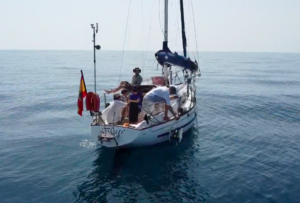
The prototype was taken aboard Pelagics Conservation’s R/V Lokate, operating from Almerimar, for a mission approximately 12 nautical miles south of the coast towards the underwater mountain known as the Seco de los Olivos, or Chella Bank. The seamount is already known for its important marine habitats, including protected deep-sea coral reefs. However, this mission was not about discovering new species.
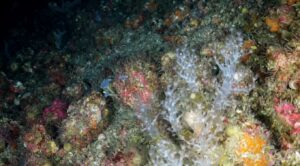
Instead, the team wanted to answer basic but crucial questions: could the prototype be safely deployed from a research vessel? Would it survive the increasing pressure at depth? Would it return with usable images? Two deployments were carried out. The first lowered the camera to the summit of the seamount at 70 metres, while the second sent it down the slope to 335 metres. Both tests successfully produced footage of the seabed.
A small camera achieves a major milestone
The depth reached may represent only a fraction of the ocean’s full scale, but it marks a significant achievement for a prototype system costing well under £2,000. At 335 metres, the camera travelled deeper than the Eiffel Tower, which stands at 330 metres, and higher than London’s Shard skyscraper at 309 metres.
The successful deployment from the R/V Lokate demonstrated that affordable technology could potentially provide new opportunities for marine research beyond traditional large-scale expeditions. The project’s next ambition is even greater: developing a camera capable of reaching 1,000 metres below the surface.
Almerimar helps shape the future of ocean exploration
For Pelagics Conservation, the successful trial represents a major milestone for the Almerimar-based organisation. Coordinator Alexander Sánchez described the first test as a very positive result and highlighted the importance of collaboration in marine conservation.
After around 14 years working in marine research, Sánchez explained that smaller organisations have traditionally focused on coastal ecosystems and surface surveys because deep-sea exploration has often been beyond their resources. Capturing footage from the deep sea using the research vessel showed what could be achieved through innovation and cooperation.
The next challenge: pushing deeper into the unknown
If the technology continues to develop, Dr Long believes it could “democratise deep-sea science”, allowing smaller organisations around the world to explore ocean environments previously accessible only to major research institutions. The team now plans to improve the prototype design and return to Almerimar for further trials.
Their next challenge is reaching beyond 828 metres, the height of the Burj Khalifa, before continuing deeper into the unknown. The deep sea remains the largest habitat on Earth and one of its final frontiers. But from a research vessel off the coast of Almerimar, a small prototype camera has offered scientists something priceless: a glimpse into a world that has remained hidden for generations.
Follow Euro Weekly News on Google News
Get breaking news from Spain, travel updates, and expat stories directly on your Google News feed.
Follow on Google NewsSign up for personalised news
Subscribe to our Euro Weekly News alerts to get the latest stories into your inbox!
By signing up, you will create a Euro Weekly News account if you don't already have one. Review our Privacy Policy for more information about our privacy practices.




Molly Grace
Molly is a British journalist and author who has lived in Spain for over 25 years. With a background in animal welfare, equestrian science, and veterinary nursing, she brings curiosity, humour, and a sharp investigative eye to her work. At Euro Weekly News, Molly explores the intersections of nature, culture, and community - drawing on her deep local knowledge and passion for stories that reflect life in Spain from the ground up.
Comments