Nearly £200,000 of fuel goes unpaid every day in UK as petrol prices squeeze motorists
By Harry Dennis • Published: 03 Aug 2026 • 14:11 • 3 minutes read
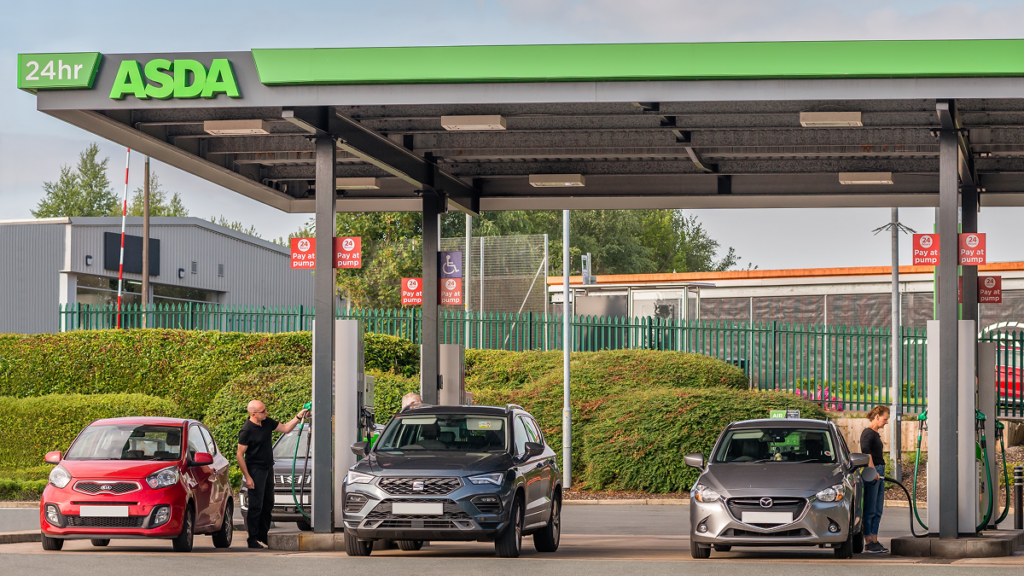
UK forecourts estimate unpaid fuel is now worth £194,000 a day. Credit: Mark D Bailey / Shutterstock
An £80 or £90 tank can disappear within seconds, with the loss often falling on independent garages rather than an oil giant. Industry data suggests the people involved are increasingly being recorded as first-time cases, rather than repeating offenders.
The £90 drive-off does not land with the oil company
A petrol station carrying the BP or Shell brand colours doesn’t necessarily mean it’s owned by that company. Many are run by independent operators who have already bought the fuel before it reaches a customer’s tank. Ben Lawrence, a director of Lawrences Garages, which runs five stations in Norfolk and Hampshire, said some motorists wrongly assume a large energy company will absorb the loss. “When someone drives off after taking fuel worth almost £100, it’s hitting us, not the oil companies,” he said. “We’ve already purchased it.”
For forecourt operators, the loss is directly affecting their pocket rather than the cost simply going to big corporations.
How the £200,000 daily estimate was calculated
Fuel-crime prevention company Forecourt Eye says unpaid-fuel incidents rose by 20 per cent during the five months after the Iran conflict began on February 28, compared with the preceding five months. Its industry analysis used reports from what it described as a representative sample of 550 petrol stations. Those sites recorded an average of 189 incidents a day, up from 158.
When extrapolated across approximately 8,350 UK forecourts, the company estimated that incidents had risen from around 2,400 to 2,872 a day. The volume involved increased by 24 per cent, from an estimated 87,800 litres to 108,900 litres each day. Higher pump prices pushed the estimated value up even faster, from £131,000 to £194,000 a day. If maintained for a year, that would amount to approximately £70.7 million in fuel initially stolen. However, this is a commercial industry estimate for now, rather than a recorded national police total.
First-timers cases are climbing faster than repeat incidents
Incidents involving people classed by Forecourt Eye as first-time offenders increased by 23 per cent, while the volume attributed to them rose by 26 per cent. For repeat offenders, the corresponding increases were 17 per cent and 20 per cent. That difference supports the view that the problem is spreading beyond the same recognised repeat offenders and regular chancers. Lawrence said his own experience suggested rising living costs had widened the profile beyond people already involved in other crimes, as they’re struggling with the rise in fuel price alongside many other household costs.
Maybe not every unpaid tank is a deliberate drive-off
The figures combine two different categories. A drive-off involves someone leaving without attempting to pay. A “no means of payment” case occurs when a customer enters the shop and declares that they cannot pay, perhaps because their card has failed or they have no other available method. Forecourt Eye’s own business includes recovering these outstanding payments, meaning some of the £194,000 may subsequently be collected. It is therefore more accurate to describe the initial amount as unpaid fuel value rather than a confirmed permanent theft loss.
Petrol at 160p has magnified every missing payment
The rise has coincided with another sharp increase at the pumps. On July 31, the RAC put average UK petrol at 160p a litre, its highest level since November 2022. Diesel had reached 179p, while filling a typical family petrol car cost approximately £88. This helps explain why the amount of fuel left unpaid rose by 24 per cent, but because fuel prices had also increased, its value jumped by 48 per cent.
From September, more than 2,000 Forecourt Eye customers are due to receive free access to a new app for recording incidents, managing evidence and reporting crime to police. Petrol stations will not need facial-recognition cameras to use it. Operators will instead have the option of adding Facewatch’s live facial-recognition system, potentially combining number-plate recognition outside with face matching inside the shop.
With fuel prices still high and the forecourts receiving new reporting tools, the next figures could reveal whether the surge begins to ease, or whether some of today’s first-time cases develop into a repeat-offending problem.
Follow Euro Weekly News on Google News
Get breaking news from Spain, travel updates, and expat stories directly on your Google News feed.
Follow on Google NewsSign up for personalised news
Subscribe to our Euro Weekly News alerts to get the latest stories into your inbox!
By signing up, you will create a Euro Weekly News account if you don't already have one. Review our Privacy Policy for more information about our privacy practices.




Harry Dennis
Born in the UK and raised on the Cádiz coast, Harry brings his background in design, music, and photography to his writing for Euro Weekly News, sharing stories that celebrate culture and lifestyle across Spain and beyond.
Comments