The GLP-1 Revolution: The weight-loss drugs changing lives
By Dr Marcus Stephan • Published: 05 Aug 2026 • 15:45 • 4 minutes read
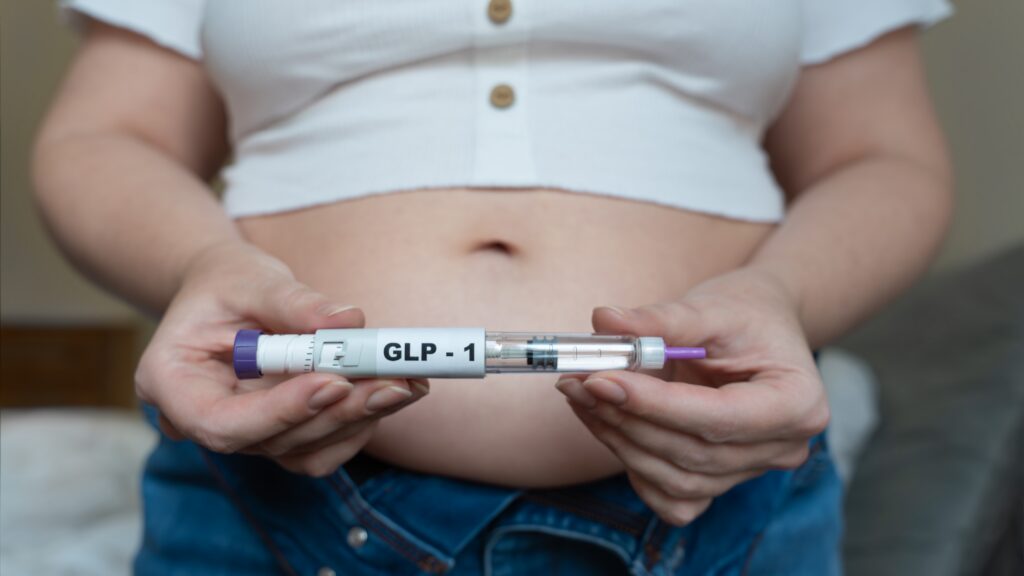
These medicines were first developed to treat type 2 diabetes. Credit: KaterynaBorodina/Shutterstock
“Food just doesn’t occupy my mind anymore.” It’s a phrase doctors who prescribe GLP-1 medicines hear time and again.
For many people living with obesity, constant hunger isn’t simply about a lack of willpower—it’s driven by powerful biological signals that tell the brain to eat, even when the body has enough energy. That’s why the latest generation of weight-loss medicines has generated so much excitement, and I’d say almost any dinner party I get invited to the conversation invariably turns to these weight-loss drugs.
Originally developed to treat type 2 diabetes, GLP-1 receptor agonists, to be precise, are now helping millions of people lose weight, improve their health and, in many cases, dramatically reduce their risk of serious diseases such as heart attack and stroke. Rather than forcing people to battle their appetite, these drugs work with the body’s own hormones to reduce hunger naturally.
But these medicines aren’t magic injections. They don’t replace healthy eating or exercise, and they aren’t suitable for everyone. Like any treatment, they come with benefits, risks and plenty of misconceptions.
What exactly are GLP-1 medicines?
GLP-1 stands for glucagon-like peptide-1, a hormone that your body naturally releases after you eat.
Think of it as one of the body’s appetite managers. It helps signal that you’ve had enough to eat, slows digestion and helps keep blood sugar levels under control.
The medicines now making the headlines—including semaglutide and newer treatments such as tirzepatide—are known as GLP-1 receptor agonists because they copy or enhance the action of this natural hormone. (Despite what you may sometimes read online, they are not GLP-1 antagonists. An antagonist blocks a receptor; these medicines activate it.)
Why do they work so well?
One reason traditional dieting can be so difficult is that the body often fights back.
When we lose weight, hunger hormones increase while metabolism can slow slightly, making it harder to keep the weight off. From an evolutionary perspective, that’s a survival mechanism. Unfortunately, it can make long-term weight management incredibly challenging.
GLP-1 medicines help tip the balance back in the patient’s favour.
They reduce hunger, increase feelings of fullness and slow the movement of food through the stomach. Many people naturally eat less without feeling deprived.
Perhaps the biggest change patients describe is something researchers now call “food noise”—the constant thoughts about eating that can dominate daily life. Many people say those thoughts become much quieter, making it easier to make healthier choices.
More than a weight-loss drug
Although weight loss grabs the headlines, these medicines were first developed to treat type 2 diabetes.
They help the pancreas release insulin when blood sugar levels rise while reducing the production of glucagon, a hormone that raises blood sugar. Together, these actions improve glucose control without causing frequent episodes of low blood sugar when used alone.
The health benefits don’t stop there.
Losing even 10–15% of body weight can improve blood pressure, cholesterol levels, joint pain, sleep apnoea and mobility. Clinical studies have also shown that some GLP-1 medicines reduce the risk of heart attack and stroke in people at increased cardiovascular risk.
Researchers are now investigating whether they could also play a role in treating conditions such as fatty liver disease, kidney disease and even some forms of addiction, although these potential uses are still being studied.
What are the downsides?
No medicine is without side effects, and GLP-1 treatments are no exception.
The most common problems affect the digestive system.
Feeling sick, bloating, constipation, diarrhoea and occasional vomiting are particularly common during the first few weeks of treatment or after increasing the dose.
For most people these symptoms settle as the body adapts. Doctors usually start patients on a low dose before gradually increasing it over several weeks to minimise discomfort.
Eating smaller meals, avoiding rich or fatty foods and drinking plenty of fluids can also help.
Are there serious risks?
Serious complications are uncommon but important to recognise.
Because these medicines slow stomach emptying, a small number of people develop severe or persistent digestive symptoms that require medical attention.
Rapid weight loss itself can increase the likelihood of developing gallstones, whether weight is lost through medication, dieting or bariatric surgery.
Doctors also monitor for pancreatitis, an uncommon but potentially serious inflammation of the pancreas. Anyone taking a GLP-1 medicine who develops severe abdominal pain—particularly if it spreads to the back—should seek urgent medical advice. I know many people access these drugs via ‘non-traditional’ routes, by that I mean ordering directly on-line, or via some internet application. The reason these are prescription drugs is so that your own doctor can keep an eye on things and monitor you as necessary. In some cases, these drugs might not be suitable for you.
Animal studies found an increased risk of certain thyroid tumours, although this has not been demonstrated in humans. As a precaution, these medicines are not prescribed for people with a personal or family history of medullary thyroid cancer or multiple endocrine neoplasia type 2.
Will the weight come back?
This is perhaps the biggest question of all.
For many people, stopping treatment means appetite gradually returns and some weight is regained. That’s not because the medicine has “failed”—it’s because the biological signals that encourage weight gain begin to reassert themselves, the so called ‘see-saw’ response.
Specialists increasingly view obesity as a long-term medical condition rather than a temporary problem to be fixed. Just as blood pressure medication often needs to be continued, some people may require ongoing GLP-1 treatment to maintain the benefits.
Others may be able to transition successfully to lifestyle changes alone, but this varies considerably from person to person.
A turning point in obesity care
The arrival of GLP-1 receptor agonists has changed the way doctors think about obesity.
For years, people struggling with excess weight were often told they simply lacked discipline. Modern science paints a very different picture. Appetite, metabolism and body weight are controlled by an intricate network of hormones and brain signals that are largely beyond conscious control.
GLP-1 medicines don’t remove the need for healthy habits, but they can make those habits much easier to maintain.
For many patients, that’s the real breakthrough.
Rather than fighting against their own biology every day, they’re finally working with it—and that could prove to be one of the most important advances in modern medicine.
Follow Euro Weekly News on Google News
Get breaking news from Spain, travel updates, and expat stories directly on your Google News feed.
Follow on Google NewsSign up for personalised news
Subscribe to our Euro Weekly News alerts to get the latest stories into your inbox!
By signing up, you will create a Euro Weekly News account if you don't already have one. Review our Privacy Policy for more information about our privacy practices.





Dr Marcus Stephan
With a career spanning more than 35 years in both the UK and internationally, Dr Marcus' passion lies in empowering individuals through knowledge, enabling them to care for themselves and others. He simplifies the science behind medicine by removing unnecessary jargon, explains common health conditions, and shares updates on the latest advances and developments in medicine.
Comments