West Nile virus has claimed first life of 2026 in Andalucía as 19 areas remain on alert
By Harry Dennis • Published: 05 Aug 2026 • 14:49 • 3 minutes read
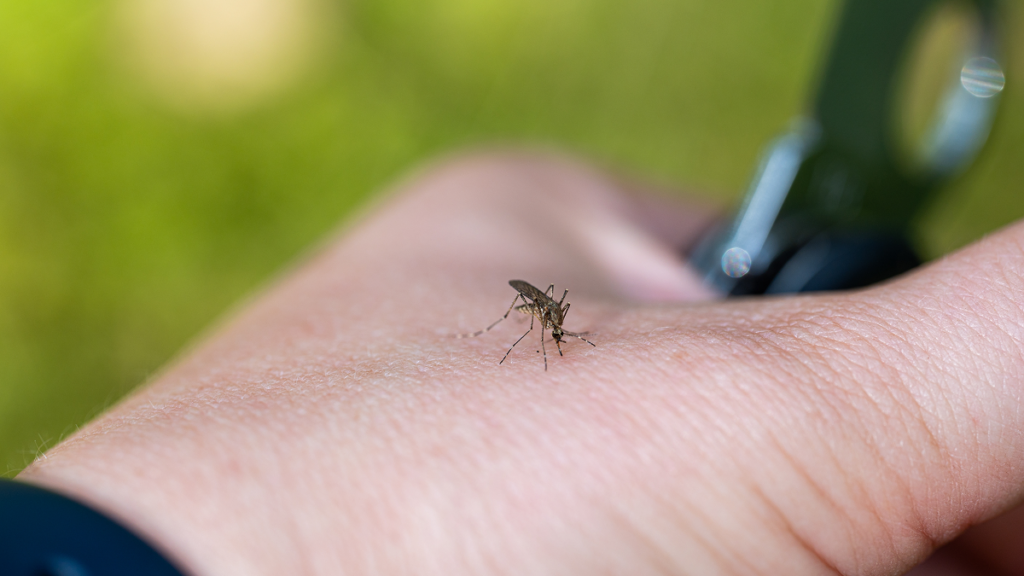
Culex mosquitoes are the principal carriers of West Nile virus in Spain. Credit: Vaida.abd / Shutterstock
A mosquito-borne infection that passes unnoticed in most people developed into meningoencephalitis in an 82-year-old man from Dos Hermanas. His death is Andalucía’s first linked to West Nile virus this year, as health teams intensify surveillance across 19 alert areas.
The Dos Hermanas patient developed the virus’s most dangerous form
The man had pre-existing health conditions and was being treated at Hospital Universitario Virgen de Valme in Sevilla. He had been diagnosed with West Nile meningoencephalitis on July 27, according to the Junta de Andalucía. The regional government confirmed his death on Wednesday August 5. His identity and further details about his medical history have not been released, and officials have not said what role, if any, his previous conditions played in the severity of the infection.
The fatality is the first reported in Andalucía during 2026 and came as another mild infection was confirmed in Aznalcázar, also in Sevilla province. That latest diagnosis has brought the regional total to 17: 12 mild cases and five neuroinvasive cases, the category that includes meningitis and encephalitis affecting the brain or nervous system.
Why the 17 diagnoses need careful interpretation
The figure is serious, but it isn’t the known total number of infections and it can’t be compared directly with previous summers without context. Around 80 per cent of people infected with West Nile virus develop no symptoms at all and are therefore unlikely to be tested. Under Andalucía’s 2026 surveillance system, health teams are also actively investigating mildly compatible illnesses among people who have spent time in designated risk or alert areas. This helps explain why most of this year’s diagnosed cases have been mild.
Laboratories have so far examined 342 people, screened 107 patients with viral meningitis for mosquito-borne viruses and carried out 2,088 West Nile tests through blood-donor screening. All the donor tests were negative.
The virus has also been detected in two of 219 wild birds examined in a remote part of Doñana National Park, away from population centres. No circulation has been found yet in horses this season.
The 19 Andalucian areas where controls have intensified
Most of the current alert areas are in Sevilla province. They are Almensilla, Aznalcázar, Bollullos de la Mitación, Castilblanco de los Arroyos, Coria del Río, Constantina, Dos Hermanas, Gelves, La Puebla del Río, Mairena del Aljarafe, Palomares del Río, San Juan de Aznalfarache, Sevilla and Villamanrique de la Condesa.
The remaining alerts cover Fuengirola and Las Lagunas-Mijas in Málaga province, Salobreña in Granada, and Torredonjimeno and Lopera in Jaén.
One of these alerts doesn’t mean infected mosquitoes have been found throughout every neighbourhood. It means that human, animal and mosquito surveillance are intensified, stronger public information is provided and additional treatment is deployed around populated areas and identified breeding or adult-mosquito sites within 1.5 kilometres.
Aznalcázar’s new alert is due to remain in place until August 24. Authorities have carried out 4,148 mosquito analyses using 215 active traps, with positive findings at monitoring sites across six provinces.
Why the risk changes sharply depending on someone’s age
For most people, the likelihood of serious illness remains low. The US Centers for Disease Control and Prevention says fewer than one per cent of infected people develop severe disease affecting the central nervous system. However, age does change that calculation. People aged 65 and over are around three times as likely to develop neurological illness as younger adults. Cancer, diabetes, high blood pressure, kidney disease and weakened immune systems can also increase the risk.
Around 10 per cent of people who develop neuroinvasive West Nile disease die from the illness, according to the CDC. High fever, neck stiffness, confusion, muscle weakness or tremors require immediate medical attention, particularly following mosquito exposure in an affected area. Mild illness may involve fever, headache, body aches, vomiting, diarrhoea or a rash.
West Nile virus is carried principally by Culex mosquitoes after they feed on infected birds. It is not spread through ordinary contact with an infected person.
Small household checks remain people’s first line of defence
There is no human vaccine or specific antiviral treatment, making bite prevention the main protection. Andalucian health officials recommend registered mosquito repellent, light-coloured clothing that covers the skin and mosquito screens. Standing water should be emptied from plant pots, buckets, toys and other garden containers as they’re the perfect breeding grounds for mosquitos, while pools and water tanks should be properly maintained.
The Junta’s trap network and weekly surveillance reports will determine whether the existing alerts are lifted, extended or joined by additional municipalities as the summer progresses.
Follow Euro Weekly News on Google News
Get breaking news from Spain, travel updates, and expat stories directly on your Google News feed.
Follow on Google NewsSign up for personalised news
Subscribe to our Euro Weekly News alerts to get the latest stories into your inbox!
By signing up, you will create a Euro Weekly News account if you don't already have one. Review our Privacy Policy for more information about our privacy practices.





Harry Dennis
Born in the UK and raised on the Cádiz coast, Harry brings his background in design, music, and photography to his writing for Euro Weekly News, sharing stories that celebrate culture and lifestyle across Spain and beyond.
Comments