Guinness lost at sea 162 years ago could finally be brewed again
By Harry Dennis • Published: 07 Aug 2026 • 18:57 • 2 minutes read
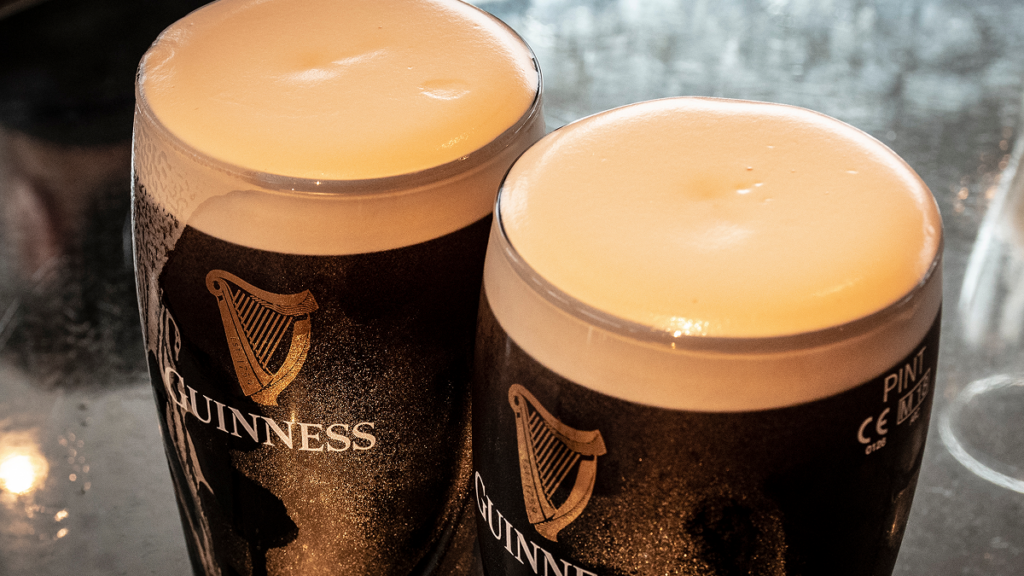
Scientists hope the recovered yeast could help recreate the Guinness enjoyed in Victorian times. Credit: Frederik Boving
It is far too murky for a celebratory pint, but Guinness recovered after more than 160 years beneath the sea may still surrender its secrets. Scientists now hope its yeast can reveal how Ireland’s famous stout tasted in Victorian times.
The Guinness spent more than 160 years in darkness
Up to 20 bottles of stout were discovered among the cargo of a wreck around five kilometres off the coast of Dover during dives in the summer of 2025. The wreck is believed to be the Mindora, a sailing barque that left London for Vancouver before colliding with another vessel on November 27, 1864.
Expedition diver Stefan Panis and technical diver and historical researcher Paweł Truszynski are now leading the coined “Project Jurassic Beer”, an attempt to recreate the Guinness carried aboard the ship. The bottles had been sitting at a temperature of about 4C, under constant pressure and in complete darkness. Some were reportedly packed upside down in their crates, which may have helped prevent seawater entering them.
It sounds like an exceptionally long period of bottle-conditioning, so no-one is going to be attempting to split the G with them just yet.
Scientists will search for traces of the original yeast
The recovered beer is due to be examined with the help of Professor Kevin Verstrepen, a microbiologist and geneticist at KU Leuven in Belgium who specialises in brewing yeast. Finding living yeast cells after more than 160 years is considered unlikely, but the team will nevertheless attempt to analyse genetic material preserved inside the bottles. If the original yeast can no longer be revived, scientists hope its DNA could point them towards a closely related modern strain. That could then be used to produce a new stout resembling the beer shipped from London in 1864. Truszynski described the goal as unlocking a form of “liquid time travel”.
How the Guinness archive could help piece together the Victorian pint
The Guinness Archive at St James’s Gate in Dublin has also been contacted to help cross-reference the divers’ findings with surviving company records. Diageo Ireland confirmed to The Irish Times that the archive team had been communicating with the divers to gather more information and evaluate the discovery.
Historical brewing records could help establish the ingredients, production method and type of stout being exported at the time. These details would be essential if the scientists are to get anywhere close to its original flavour.
Even the wreck’s name holds a mystery
There is still some uncertainty surrounding the vessel itself. The divers refer to the wreck as the Mindora, while a historical survey supplied by Lloyd’s Register Foundation records a vessel called “Mindoro”. Although the difference may appear minor, an archivist said variations in ship names were not unusual in 19th-century records, meaning the two names could refer to the same vessel.
The foundation could not formally confirm the wreck’s identity because it was not involved in the discovery. The surviving survey and the cargo nevertheless appear to support the divers’ identification.
Panis said shifting currents and sand may explain why the bottles remained hidden during earlier dives. Cargo can disappear beneath the seabed for years before being exposed again, meaning this unlikely collection of Victorian stout may have surfaced during a particularly brief window.
Follow Euro Weekly News on Google News
Get breaking news from Spain, travel updates, and expat stories directly on your Google News feed.
Follow on Google NewsSign up for personalised news
Subscribe to our Euro Weekly News alerts to get the latest stories into your inbox!
By signing up, you will create a Euro Weekly News account if you don't already have one. Review our Privacy Policy for more information about our privacy practices.


Harry Dennis
Born in the UK and raised on the Cádiz coast, Harry brings his background in design, music, and photography to his writing for Euro Weekly News, sharing stories that celebrate culture and lifestyle across Spain and beyond.
Comments