Remarkable archaeological discovery: Iberian cemetery dating back 2,200 years uncovered in Alicante
By Anna Ellis • Published: 08 Aug 2026 • 15:27 • 1 minute read
Archaeological excavation in Albufereta uncovers Iberian cemetery. Credit: Ayuntamiento de Alicante.
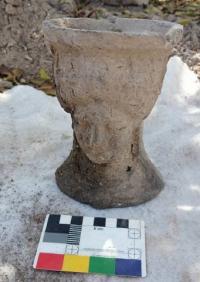
A remarkable archaeological discovery in Alicante has revealed an Iberian cemetery dating back more than 2,200 years, with excavations uncovering an impressive collection of weapons, jewellery and ceremonial artefacts. Among the most significant finds is a rare incense burner believed to represent the goddess Tanit, offering fresh insight into life and burial customs during the third century BC.
Ancient cemetery discovered in Albufereta
An archaeological excavation in Alicante’s Albufereta district has uncovered an Iberian cemetery dating back more than 2,200 years, revealing weapons, jewellery and a rare ceremonial incense burner believed to represent the goddess Tanit.
The discovery was made during work on a private development site where archaeological monitoring was required under regional heritage laws.
Archaeologists uncovered a small family burial ground dating from the final third of the third century BC. Four tombs contained a remarkable collection of grave goods, including complete sets of Iberian warrior weapons such as falcatas, spears, shields, javelins, knives, horse equipment and spurs, suggesting those buried belonged to a military elite.
Other finds included bronze clothing ornaments, weighing scales and weights linked to trade, a cartwheel and a carved stone fragment believed to be part of a deer sculpture. Around 30 small ceramic vessels used during funeral banquets were also recovered.
Rare artefacts offer glimpse into Iberian life
One of the most significant discoveries is a well-preserved incense burner in the form of a woman’s head, thought to represent the goddess Tanit.
Experts believe the cemetery dates from the Carthaginian conquest of south-eastern Spain and may be linked to the nearby Tossal de Manises settlement.
All of the artefacts will now be conserved by Alicante Council and are expected to be studied further before eventually going on public display. The discoveries are expected to provide archaeologists with valuable new information about Iberian society, religious beliefs and funerary practices during a key period in the region’s history.
Follow Euro Weekly News on Google News
Get breaking news from Spain, travel updates, and expat stories directly on your Google News feed.
Follow on Google NewsSign up for personalised news
Subscribe to our Euro Weekly News alerts to get the latest stories into your inbox!
By signing up, you will create a Euro Weekly News account if you don't already have one. Review our Privacy Policy for more information about our privacy practices.




Anna Ellis
Anna is a writer originally from Derbyshire, UK, who has called the Costa Blanca home for the past 20 years. Living in a quiet corner of the countryside, she brings a down-to-earth perspective to life in Spain. At Euro Weekly News, Anna covers local stories and community news, drawing on her long-standing connection to the region and its people.
Comments