Spain eclipse sparks hundreds of medical attendances as eye problems reported
By Molly Grace • Updated: 13 Aug 2026 • 17:30 • 3 minutes read
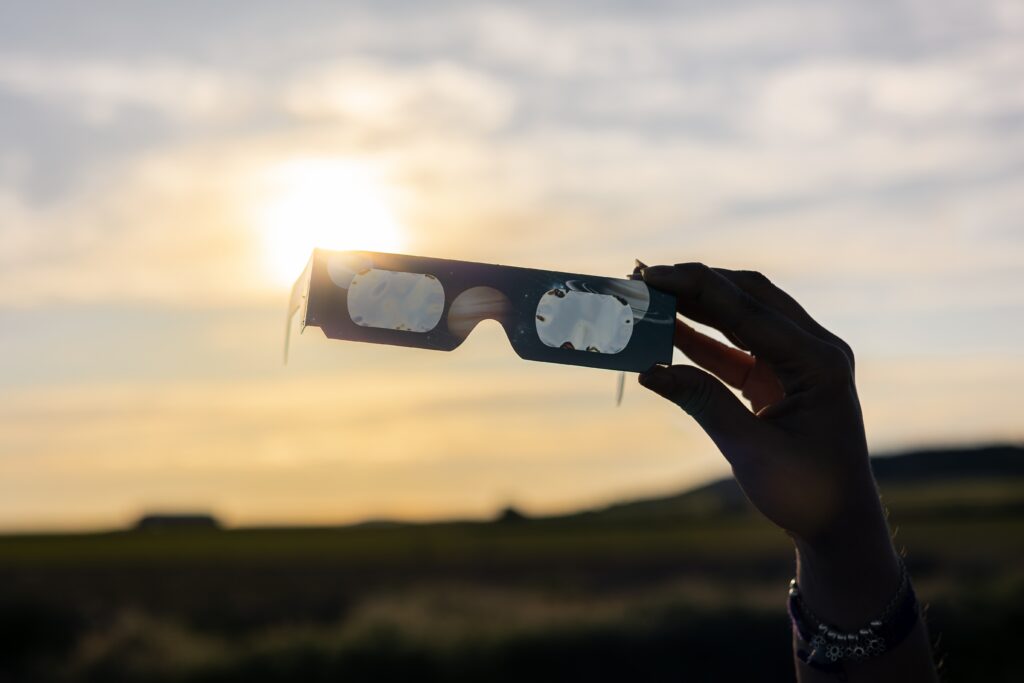
Looking directly at the Sun can damage the retina. Photo credit: Victor Sanchez G/Shutterstock
The eclipse may have been spectacular for many, but for dozens of people in Cataluña, the hours afterwards brought concerns about their eyesight. Emergency services received around 115 calls related to the event, including 37 involving ophthalmological problems.
The figures cover the period from 07:00am on Wednesday until 7:30am on Thursday. During that time, the Sistema d’Emergències Mèdiques (SEM) provided assistance to 109 people for incidents linked to the eclipse, with most cases dealt with without sending an ambulance.
Most cases were handled over the phone
A total of 101 cases were resolved by telephone, while around ten incidents required an ambulance to attend in person. The figures cover all eclipse-related consultations handled by the SEM and do not mean that everyone who contacted the service had suffered an eye injury.
Of the 115 consultations, 37 involved actual ophthalmological problems. The cases add to reports from hospitals and emergency services elsewhere in Spain, where people also sought treatment for eye discomfort and visual problems after watching the eclipse.
Eye complaints recorded across Cataluña
The calls came from across the region, the Camp de Tarragona recorded the highest number, with 24 cases, followed by Barcelona Metropolitan North with 22. Girona recorded 16 consultations, while Barcelona city accounted for 14 and Barcelona Metropolitan South for 10.
Lleida recorded nine, with five each in Central Cataluña and Penedès, and four in Terres de l’Ebre. The distribution reflects the large numbers of people who travelled around Cataluña to watch the eclipse. Tarragona and Lleida were among the areas where people gathered in large numbers to see totality, while Barcelona also attracted crowds despite being outside the narrowest central path.
What eye symptoms should people watch for?
Looking directly at the Sun can damage the retina, including during an eclipse. The problem is that retinal damage does not necessarily cause immediate pain, meaning someone may not realise there is a problem at the time they look at the Sun. Ophthalmology specialists have warned that symptoms can appear later and may include a loss of central vision, distorted images, increased sensitivity to light or changes in the visual field.
Luckily, hospitals around Spain have reported that most people seeking help after Wednesday’s eclipse had relatively minor complaints rather than serious injuries. That distinction is important for anyone who contacted an emergency service because they were worried about their eyes. A consultation does not itself establish that the person has suffered solar retinopathy or any other type of damage damage.
Other regions also report eye-related cases
Cataluña was not the only part of Spain where people sought medical help after the eclipse. The País Vasco reported 58 people treated for possible eye problems, with cases described as mild or very mild. Symptoms included visual disturbances and discomfort associated with inadequate protection.
Navarra recorded seven ophthalmological attendances linked directly to viewing the eclipse. Six were treated at the Hospital Universitario de Navarra and one at the Hospital García Orcoyen in Estella, with all of those patients discharged. The Comunitat Valenciana recorded three attendances for mild ophthalmological problems among 20 eclipse-related emergency interventions, while the Balearic Islands reported 20 eye injuries associated with the event, with 18 requiring hospital assessment.
Most patients were not seriously injured
The picture emerging from hospitals and emergency services is therefore more mixed than the raw numbers might suggest. Large numbers of people sought advice or medical attention, but serious eye injuries appear to have been extremely low. At the Gregorio Marañón hospital in Madrid, ophthalmology emergencies increased to almost 30 consultations, but none was considered to have suffered an injury caused by solar exposure.
Doctors reported complaints such as itching and a sensation similar to having grit in the eyes, rather than confirmed retinal damage. That does not mean that delayed problems should be dismissed. Solar retinopathy can develop after exposure and can affect the central part of vision. Anyone experiencing a new or persistent change in sight after observing the eclipse should have their eyes assessed by a medical professional.
The eclipse has passed, but concerns may continue
Wednesday’s event attracted huge crowds across Spain, with people travelling for hours to reach areas where totality could be seen. Cataluña was among the regions that prepared additional medical resources before the eclipse because of concerns over eye injuries and the movement of large numbers of people.
The 115 calls handled by the SEM show that those preparations were needed, although the majority of cases could be managed remotely and only a small number required hospital treatment. For the people who contacted emergency services, the eclipse ended in a very different way from the spectacle they had travelled to see. And while most of the reported cases were not serious, anyone noticing a genuine change in their vision after watching the Sun should not assume it will simply disappear.
Follow Euro Weekly News on Google News
Get breaking news from Spain, travel updates, and expat stories directly on your Google News feed.
Follow on Google NewsSign up for personalised news
Subscribe to our Euro Weekly News alerts to get the latest stories into your inbox!
By signing up, you will create a Euro Weekly News account if you don't already have one. Review our Privacy Policy for more information about our privacy practices.




Molly Grace
Molly is a British journalist and author who has lived in Spain for over 25 years. With a background in animal welfare, equestrian science, and veterinary nursing, she brings curiosity, humour, and a sharp investigative eye to her work. At Euro Weekly News, Molly explores the intersections of nature, culture, and community - drawing on her deep local knowledge and passion for stories that reflect life in Spain from the ground up.
Comments