Why your fuel and electricity bills are driving Spain’s worst inflation since 2024
By Harry Dennis • Updated: 13 Aug 2026 • 16:16 • 2 minutes read
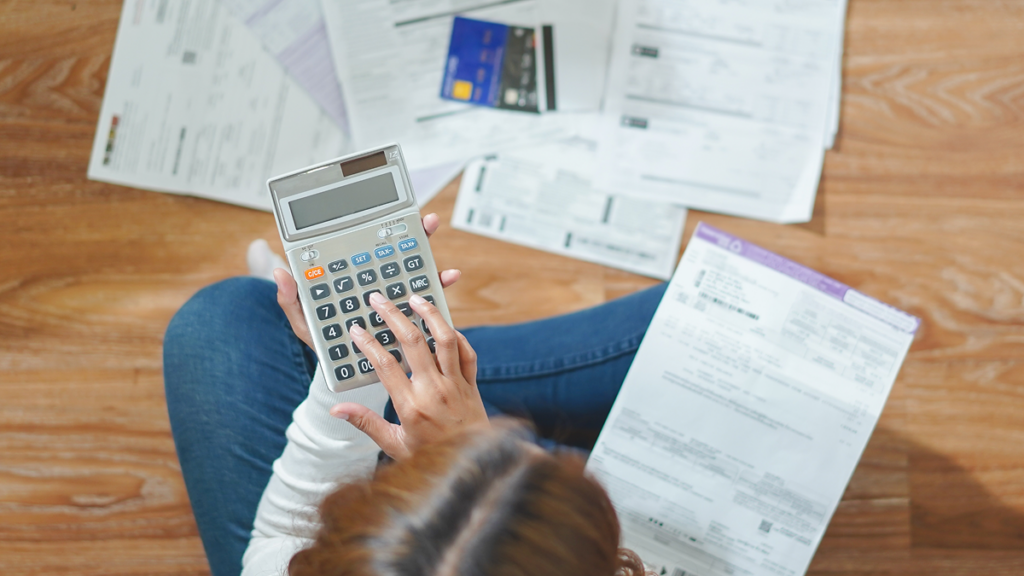
Household budgets are feeling the squeeze as inflation bites. Credit: pormezz / Shutterstock
Diesel is up almost 16 per cent on a year ago and electricity by more than eight, yet the cost of a weekly food shop is actually easing. That contradiction sits behind Spain’s inflation figures for July, which climbed to 3.6 per cent, the country’s highest reading in two years.
Fuel and electricity are behind the jump
Spain’s National Statistics Institute (INE) confirmed on Thursday that annual inflation reached 3.6 per cent in July, one tenth higher than its initial estimate and 0.4 per cent above June’s 3.2 per cent. It is the fifth consecutive month inflation has stayed above 3 per cent, and the worst reading since May 2024. The Ministry of Economy, Trade and Enterprise said the rise came from pressure on fuel and electricity prices, which together recorded a year-on-year rate of 8.4 per cent.
Diesel drivers pushed past a threshold that triggers more relief for drivers
Diesel prices rose 15.7 per cent over the year to July, breaking through the 15 per cent threshold set out in the government’s response plan to the ongoing disruption around the Strait of Hormuz. Crossing that line triggers a safeguard clause. The tax discount on a litre of diesel at the pump will rise to 20 cents from September, reversing a planned cut for the month to just 5 cents and up from the 10 cents in place through August.
Petrol, however, tells a slightly different story. It rose 7.3 per cent over the year, comfortably below the threshold, so its discount will only reach 5 cents a litre in September.
What it is costing at the pump and on the electricity bill
It was reported in June that the end of blanket fuel tax relief could add up to 29 cents a litre to petrol and 22 cents to diesel. Those increases are now showing up directly in the official figures. On electricity, in July, a typical household on Spain’s regulated tariff was already paying an extra €11.21 for the month, even before any rise in consumption was counted. July’s inflation data confirms that pressure has continued.
Food offers the one piece of good news
Grocery prices have not followed the same trend. Food inflation eased to 1.6 per cent in July, below June’s and the lowest rate recorded since 2021, according to the Ministry of Economy.
Core inflation, which strips out food and energy to show the underlying trend, rose more modestly, up one tenth of a point to 3 per cent. The Harmonised Index of Consumer Prices (HICP), the measure used to compare inflation across the EU, rose to 3.9 per cent.
Where prices rose fastest
Every one of Spain’s autonomous communities recorded a positive annual rate in July. Cantabria saw the sharpest rise, at 4.3 per cent, while Extremadura recorded the lowest, at 3 per cent.
With the situation around the Strait of Hormuz still unresolved, the diesel safeguard clause could stay active for months yet. Drivers and households may be watching fuel and power prices closely well beyond the summer.
Follow Euro Weekly News on Google News
Get breaking news from Spain, travel updates, and expat stories directly on your Google News feed.
Follow on Google NewsSign up for personalised news
Subscribe to our Euro Weekly News alerts to get the latest stories into your inbox!
By signing up, you will create a Euro Weekly News account if you don't already have one. Review our Privacy Policy for more information about our privacy practices.




Harry Dennis
Born in the UK and raised on the Cádiz coast, Harry brings his background in design, music, and photography to his writing for Euro Weekly News, sharing stories that celebrate culture and lifestyle across Spain and beyond.
Comments