Fuel prices in Spain to rise from July as tax relief ends ahead of summer holidays
By Adam Woodward • Published: 23 Jun 2026 • 10:12 • 2 minutes read
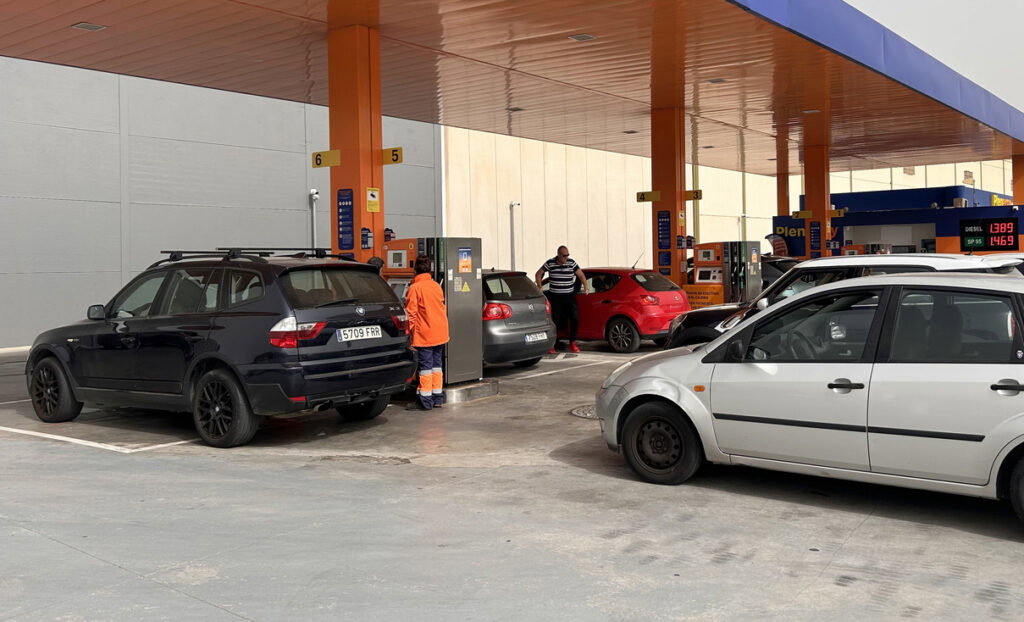
Queuing for the best fuel prices. Credit: EWN
Drivers in Spain are inevitably going to face higher costs at petrol stations from the start of July. Temporary government reductions in fuel taxes, put in place in March to counter energy price pressures linked to Middle East tensions, finish on June 30. This change hits at the beginning of the main summer travel period, when many households plan long journeys for their annual break. The timing adds unwelcome pressure on household budgets just when many families head out on their holidays.
We may see petrol and diesel prices climb by up to 29 cents per litre according to sector forecasts. The full impact will hit immediately at pumps, though some stations could adjust rates slightly earlier as people rush to top up tanks before the cut-off. So, think ahead when deciding to top up the tank.
Expected changes to petrol and diesel costs
Calculations by the Spanish Confederation of Service Station Entrepreneurs reckon there will be up to a 29 cent increase for petrol and 22 cents for diesel per litre.
Owners of average-sized vehicles with 55-litre tanks will pay between €12.50 and €16 extra per fill. A family completing two such refills over the summer period stands to spend an additional €22 to €32 compared with prices available in June.
Coincidence with first major summer travel wave
Support measures conclude at the same time as the first large-scale movement of vehicles leaving cities for holiday destinations. Increased demand in late June could drive prices up even before the official date as motorists seek to benefit from remaining discounts. Holidaymakers planning routes across the country should factor in these extra expenses when budgeting for their trips.
Factors influencing government position on pricing
European Union guidance plays a central role in the decision against extension. Both the European Commission and national finance experts have pressed for removal of the measures. They view continued subsidies as inconsistent with wider objectives to move towards lower emission energy options and as placing too heavy a burden on state budgets.
Germany provides a parallel example. Officials there have stated they will conclude their own fuel tax support package on June 30 to deal with a budget deficit approaching €1.6 billion.
Targeted assistance for specific groups
Relief will continue in limited form for vital economic areas. Professional haulage, farming and fishing operations qualify for discounts reaching 20 cents per litre on professional-grade diesel. This approach hopes to limit any resulting rise in transport expenses that could affect prices of basic consumer items.
Oil market outlook after recent developments
Crude oil values have shown some decline following recent peace agreements in the Middle East region. Nevertheless, international reserves require time to recover fully, with full market adjustment expected to take several months. As a result, pump prices for ordinary drivers risk returning to peaks comparable to those recorded in the 2022 energy difficulties.
Fuel prices always rise in July in Spain, but this year, with the removal of the VAT relief at the end of June, the hike in prices will be much more noticeable. For those looking to drive a lot in the summer, keeping the tank full earlier could be a serious cost-saver. And don’t forget, drivers in Spain can check how to find the most reasonably priced petrol stations in their area by reading our article “How to find Spain’s cheapest petrol stations”.
Rising fuel prices: How to find Spain’s cheapest petrol stations during Iran conflict
Follow Euro Weekly News on Google News
Get breaking news from Spain, travel updates, and expat stories directly on your Google News feed.
Follow on Google NewsSign up for personalised news
Subscribe to our Euro Weekly News alerts to get the latest stories into your inbox!
By signing up, you will create a Euro Weekly News account if you don't already have one. Review our Privacy Policy for more information about our privacy practices.





Adam Woodward
Adam is a writer who has lived in Spain for over 25 years. With a background in English teaching and a passion for music, food, and the arts, he brings a rich personal perspective to his work at Euro Weekly News. As a father of three with deep roots in Spanish life, Adam writes engaging stories that explore culture, lifestyle, and the everyday experiences that shape communities across Spain.
Comments