Won money on the lottery or a betting site in Spain? The tax rules are not the same
By Guest Writer • Published: 13 Aug 2026 • 15:39 • 3 minutes read
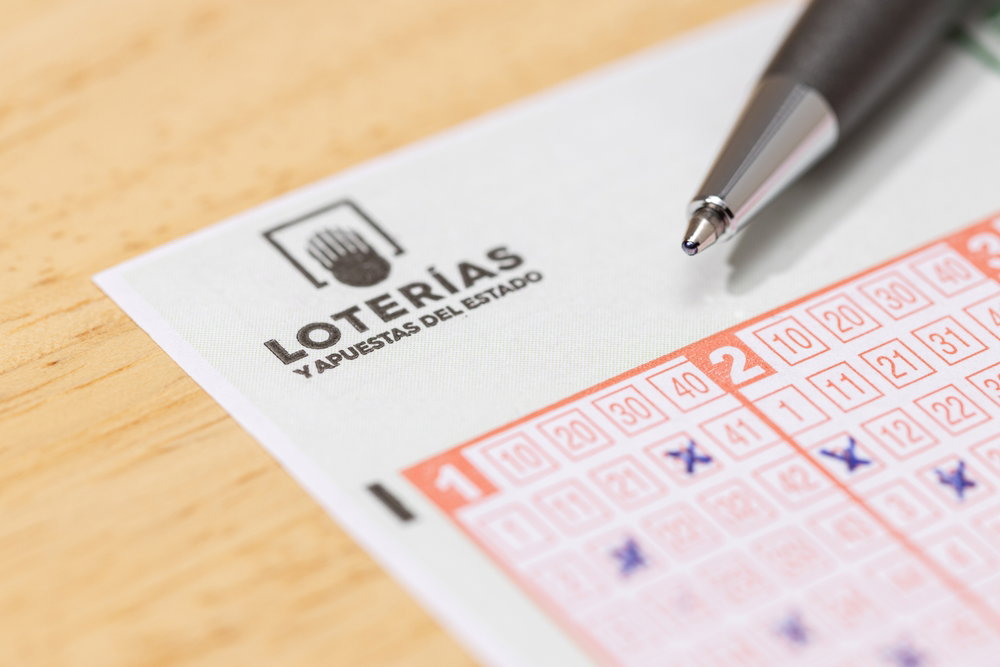
Image: Formatoriginal/Shutterstock.com
A ticket holder in San Pedro Alcantara collected €43,264 from a La Primitiva draw earlier this month. Most of that is theirs to keep. Not quite all of it, and the reason has less to do with the size of the win than with where it came from.
In Spain, what you played matters more than what you won. Lottery prizes and gambling profits are taxed under two entirely separate parts of the system, and only one of them is handled for you.
Two systems, not one
Most people half know the first rule already. Prizes from the state lottery operator, along with draws run by the ONCE, the Red Cross and the autonomous communities, fall under a special levy that sits outside your normal income tax return.
Everything else is treated as ordinary income and lands on your annual declaration. That covers online casino play, sports betting, poker and exchange betting. Foreign residents filing in Spain already know the IRPF return reaches worldwide income, and gambling profit is no exception.
The lottery takes its cut before you see the money
For state lottery prizes, the first €40,000 is exempt. Anything above that is taxed at 20 per cent, and the paying entity withholds it before the money reaches your account, according to the Agencia Tributaria.
So for the San Pedro Alcantara winner, the taxable slice is not €43,264 but €3,264. The withholding comes to roughly €653. Nothing needs to be filed and no decision has to be made. The prize simply arrives already taxed.
The exemption also works per ticket rather than per person, which will matter far more in December than it does now. A Christmas lottery décimo shared between friends splits that €40,000 between them rather than handing each of them their own allowance.
Casino and betting wins work the other way round
Online gambling profits come with none of that convenience. They go on your IRPF return as capital gains, and the obligation sits with you rather than with the operator. They also land in the general part of that return, next to salary and pension income, rather than in the savings section where most investment gains go. So they are taxed at your marginal rate rather than a flat one, and a good year can push you into a higher band.
The distinction matters more than the rates do. Lottery prizes are settled at source, while everything else lands on you at filing time, and how Spain’s gambling rules treat winnings comes down to which of those two categories your money falls into.
Losses do count for something. They can be offset against winnings in the same tax year, up to the amount you actually won, so what you declare is your net position rather than every winning bet counted on its own. That only holds if you can evidence it, which means saving account statements as you go instead of reconstructing a year of play from memory each spring.
The UK habit that catches people out
British residents often arrive expecting the system they left behind, and the UK does not tax players at all. Betting duty there falls on the operator, so the person actually placing the bet never has to think about it.
Spain moves part of that responsibility onto the account holder instead. It is not necessarily a heavier burden, but it is a different one, and it tends to catch people out in their first filing year.
The fix is dull. Download your statements as you go, and stick to operators holding a DGOJ licence. Legal play starts at 18 in Spain, and an unlicensed site will not give you usable records or any recourse when something goes wrong.
The rules are about to tighten again
From 25 March 2027, a royal decree published in June brings in deposit caps that apply across every licensed operator at once rather than site by site, set at €700 a day, €1,750 a week and €3,300 over any four weeks. The DGOJ will run the tracking system, and operators get a trial version of it this autumn. Anyone who wants tighter limits than the defaults, or who wants to step away altogether through the national self-exclusion register, can already arrange that at jugarbien.es.
None of that changes what you owe on last year’s winnings. It does mean the paper trail is about to get a good deal harder to lose.
Follow Euro Weekly News on Google News
Get breaking news from Spain, travel updates, and expat stories directly on your Google News feed.
Follow on Google NewsSign up for personalised news
Subscribe to our Euro Weekly News alerts to get the latest stories into your inbox!
By signing up, you will create a Euro Weekly News account if you don't already have one. Review our Privacy Policy for more information about our privacy practices.





Guest Writer
Comments