Leonardo DiCaprio and Jeff Bezos put $200m behind desperate bid to save 100 species
By Molly Grace • Published: 15 Aug 2026 • 22:39 • 3 minutes read
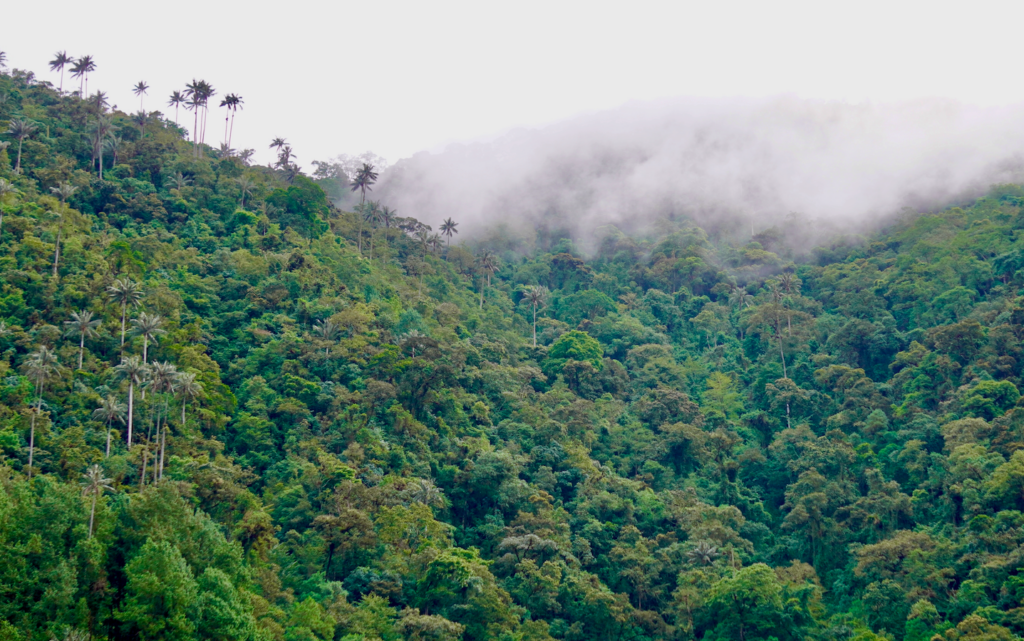
The project is concentrating on species where conservation action could still change their future. Photo credit: Erin Jones/Shutterstock
Some of the world’s rarest animals and plants are now being given a chance they may not have had for much longer. A new $200 million conservation project backed by Leonardo DiCaprio’s Re:wild and Jeff Bezos’ Bezos Earth Fund is targeting 100 of the planet’s most threatened species across 30 countries.
The Phoenix Species Project aims to do more than slow population declines. Its stated goal is to recover species that are already on the brink of extinction, using long-term funding for conservation programmes that have often had to operate with limited resources. The initiative was announced recently and is described by its organisers as the largest philanthropic fund dedicated exclusively to recovering critically endangered species.
100 species facing a fight for survival
The species selected for the project are spread across very different habitats, from tropical forests and volcanic islands to freshwater ecosystems and oceans. They include the golden-crowned sifaka, a lemur found in Madagascar; the Malayan pangolin; the Visayan warty pig of the Philippines; the pink land iguana of the Galápagos; and Attenborough’s long-beaked echidna from New Guinea. Other targets include threatened amphibians, birds, reptiles, fish, invertebrates and plants.
The project is being led by Re:wild, the conservation organisation co-founded by DiCaprio, and the Bezos Earth Fund, established by Bezos. The initial $200 million commitment is divided equally, with $100 million coming from each organisation. Re:wild says the funding also has support from Age of Union and the Todd Graves Family Foundation. That distinction matters because the $200 million is not simply a personal donation from DiCaprio and Bezos. It is being provided through the organisations behind the initiative.
Why these species were chosen
The project is concentrating on species where conservation action could still change their future. According to the organisers, the money will support work including conservation breeding, habitat restoration, disease management and controlling invasive species. Projects will be carried out with local conservation groups, Indigenous peoples, communities, scientists and governments.
The intention is also to provide funding over a longer period rather than forcing conservation organisations to repeatedly seek short-term grants. That can make a major difference for species whose recovery may take years or even decades. Conservation programmes can require sustained monitoring, breeding, habitat protection and work with communities before animals can safely return to the wild.
The numbers behind the extinction crisis
The scale of the project comes as conservationists face an enormous global challenge. The International Union for Conservation of Nature’s Red List contains more than 49,000 species classified as threatened with extinction, representing about 28 per cent of the species assessed.
The Phoenix project is therefore targeting only a tiny fraction of the species at risk. Its organisers argue that focusing substantial resources on 100 particularly vulnerable species can demonstrate what is possible when conservation programmes have the funding and technical support needed to continue their work. One of the conservation groups involved has described the additional funding as a chance to move beyond simply trying to prevent a species from disappearing and towards actually rebuilding its population.
From pangolins to an extraordinary echidna
Among the animals receiving support are species many people may never have encountered. The Attenborough’s long-beaked echidna is an egg-laying mammal from New Guinea, while the Malayan pangolin is one of the world’s most heavily trafficked mammals. The pink land iguana is found only on Wolf Volcano in the Galápagos.
The project also includes the Hickory Nut Gorge green salamander, which lives in a small area of North Carolina, and Tanzania’s pancake tortoise, named for its unusually flat and flexible shell. Each faces different pressures, meaning there is no single conservation solution. Habitat loss, disease, invasive species and human activity can all contribute to population declines, depending on the species.
A chance to bring species back
DiCaprio has spent years campaigning on environmental issues, while Bezos has channelled substantial funding through the Bezos Earth Fund. The Phoenix project brings those efforts together around a specific objective: recovering species rather than simply documenting their decline. The organisers say the programme grew from discussions beginning in 2021 between DiCaprio, Re:wild and Bezos, followed by consultations with scientists, Indigenous communities, conservation organisations and governments.
For the 100 species selected, the difference could ultimately be measured in something much more basic than dollars. It could mean whether future generations are still able to see these animals and plants in the wild, or whether they become names remembered only because they once existed.
Follow Euro Weekly News on Google News
Get breaking news from Spain, travel updates, and expat stories directly on your Google News feed.
Follow on Google NewsSign up for personalised news
Subscribe to our Euro Weekly News alerts to get the latest stories into your inbox!
By signing up, you will create a Euro Weekly News account if you don't already have one. Review our Privacy Policy for more information about our privacy practices.


Molly Grace
Molly is a British journalist and author who has lived in Spain for over 25 years. With a background in animal welfare, equestrian science, and veterinary nursing, she brings curiosity, humour, and a sharp investigative eye to her work. At Euro Weekly News, Molly explores the intersections of nature, culture, and community - drawing on her deep local knowledge and passion for stories that reflect life in Spain from the ground up.
Comments