Three easy tricks before visiting Spain’s ITV centres that almost guarantee a pass
By Adam Woodward • Published: 22 Aug 2026 • 12:04 • 2 minutes read
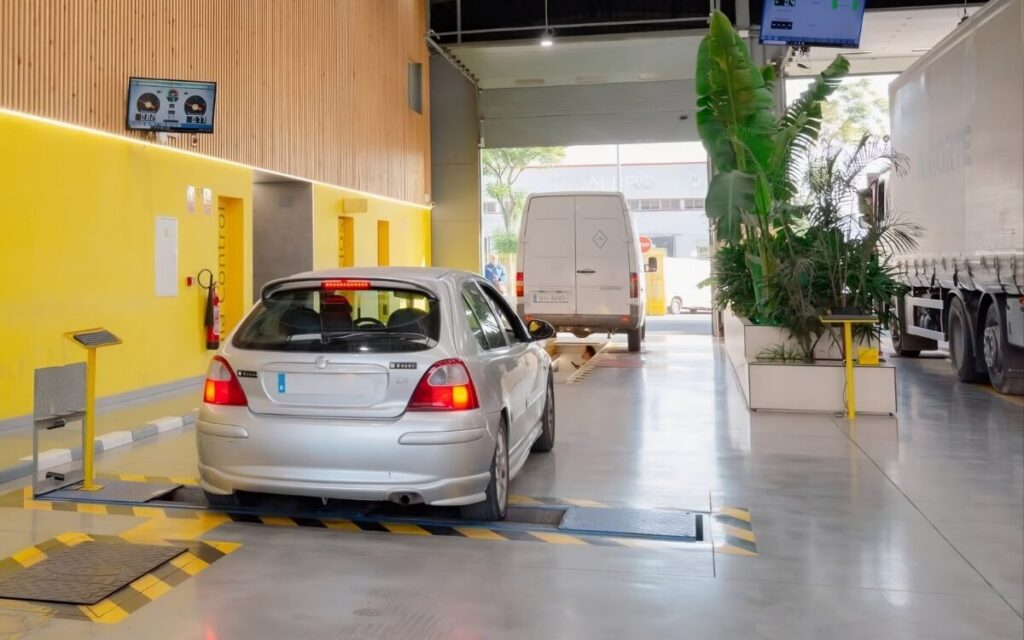
Going through the ITV roadworthiness test. Credit: itvebassa FB
Drivers in Spain face the ITV roadworthiness test once their cars hit four years old. From then until the ten-year mark it comes round every two years; after that it becomes annual. Official figures from the centres show around one in five vehicles fail first time, leaving owners without that all-important approval sticker.
Lighting and emissions account for more than 40 per cent of those failures, according to the stations’ own data. Mechanics and technicians sometimes quietly pass on a couple of quick habits that clear many of those problems without a trip to the garage. Do them before you go to the ITV centre, and you stand a much better chance of driving out with a clean result.
Check every light before you leave
Jump out of the car and walk right round it. Switch on the headlights, sidelights, brake lights and indicators one by one. Plenty of fails happen because a single bulb has gone or the headlight lenses have turned milky-white. Cloudy plastic cuts the beam enough to fail the test even if the bulbs themselves work. A five-minute check on the driveway or at a quiet lay-by sorts most of these out. More on the common lighting faults that catch drivers out appears in our earlier piece on overlooked defects Spain’s ITV will crack down on in 2026.
Give the engine a proper work-out
Drive a few kilometres in second and third gear, keeping the revs higher than usual. This cleans the intake and exhaust systems and helps the combustion run cleaner, so emissions drop. Short urban trips leave residue that the gas analyser picks up straight away. A short blast with the engine working harder often turns a borderline fail into a pass. Drivers worried about emissions can also read our report on Spain tightening its grip on car emissions. This is especially important with diesel motors.
Clean the brakes with a few sharp stops
Once you are on a quiet, safe stretch of road with nothing behind you, especially a police car, make several firm, sudden brakes. This scuffs the pads and discs clear of surface dirt and glaze so they bite properly on the roller test. Brakes are not the top reason for rejection, yet they still catch some cars. A couple of hard stops on the way in get the system working at its best.
These moves cost nothing and take only minutes, say some of the mechanics working at the test centres. Technicians see the same avoidable fails day after day. Follow the three steps, and many cars that would otherwise need a retest sail through. Full details on what the stations actually check sit on the official AECA-ITV site at aeca-itv.com and the Spanish traffic authority’s vehicle pages at sede.dgt.gob.es.
Anyone still unsure about paperwork or timing can check our earlier guide on whether your car or caravan needs its ITV and the update on the fully digital system at Spain’s ITV going digital. Book the appointment, do the three things on the drive there, and the sticker has a better chance of being yours.
Follow Euro Weekly News on Google News
Get breaking news from Spain, travel updates, and expat stories directly on your Google News feed.
Follow on Google NewsSign up for personalised news
Subscribe to our Euro Weekly News alerts to get the latest stories into your inbox!
By signing up, you will create a Euro Weekly News account if you don't already have one. Review our Privacy Policy for more information about our privacy practices.


Adam Woodward
Adam is a writer who has lived in Spain for over 25 years. With a background in English teaching and a passion for music, food, and the arts, he brings a rich personal perspective to his work at Euro Weekly News. As a father of three with deep roots in Spanish life, Adam writes engaging stories that explore culture, lifestyle, and the everyday experiences that shape communities across Spain.
Comments