Expanded roadside tests and pioneering tech tighten Spain’s grip on car emissions
By Adam Woodward • Updated: 28 Apr 2026 • 16:54 • 3 minutes read
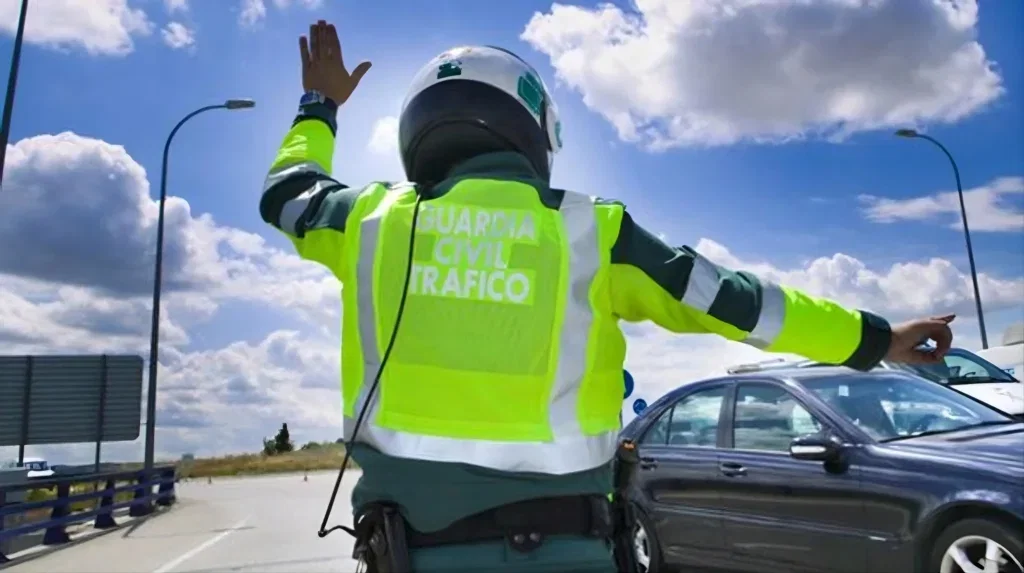
New roadside emissions checks. Credit: GC
Drivers in Spain are due to face stricter oversight of vehicle pollution levels as the authorities begin to target cars emitting far more than legal limits in everyday use. Spain has some of the oldest fleet of cars in Europe, averaging at 14.5 years. Over three in ten vehicles now fail their annual technical inspection due to excessive emissions, which has led to fresh measures being introduced that include remote detection systems on public roads. These changes plan to identify and penalise high-polluting vehicles more effectively, affecting millions of owners who may unknowingly drive faulty cars.
Emissions top the list of ITV failures in Spain
Recent data from official technical inspection stations (ITV centres) reveals a worrying trend. In the Madrid region alone, emissions-related defects account for 30.8 per cent of all serious faults detected during checks. This figure positions excessive pollution as the leading reason for vehicles failing their ITV (MOT-style test), far more than issues with lights and signalling at 27.2 per cent.
Such problems have grown noticeably in a short time. Just one year earlier, emissions accounted for 28.6 per cent of serious defects, showing a clear rise in detected cases. Many owners continue to drive without realising their cars exceed permitted pollution outputs. Inspection technicians often point to warning signs such as unusually high fuel consumption or visibly smoky exhausts, which can indicate underlying faults in anti-pollution systems.
Spain leads Europe with new roadside emission tests
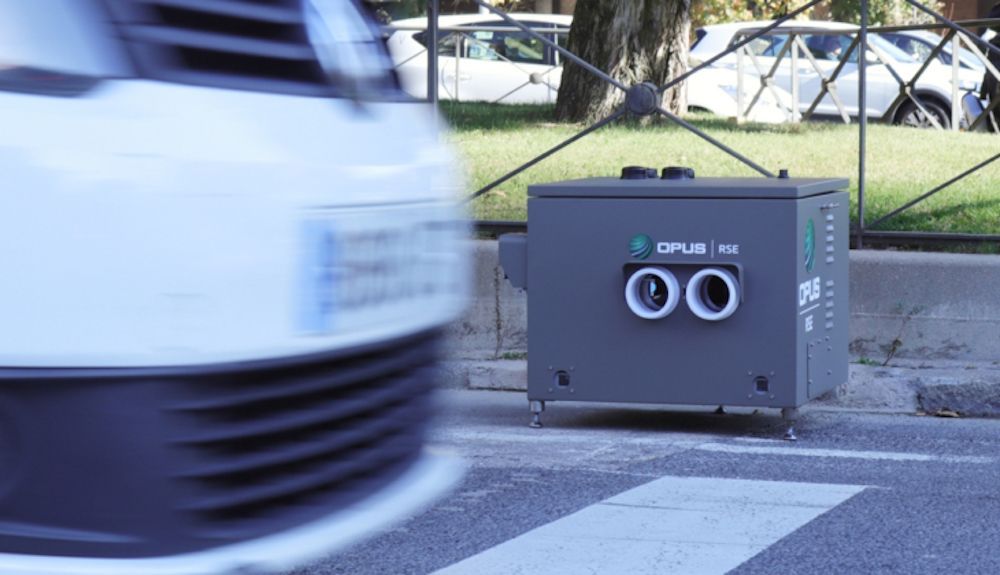
Credit: Opus
Spanish authorities have taken proactive steps by publishing a fresh UNE standard (the set legal standard in Spain) that sets rules for remote measurement of vehicle emissions for the first time. This will pave the way for sensors placed at the roadside to capture data from passing cars without even stopping them first. Sensors will analyse gases directly from exhaust pipes while vehicles travel normally, measuring levels of nitrogen oxides, carbon monoxide, hydrocarbons, ammonia and fine particles in real time, and then alerting Guardia Civil or local police officers to pull that vehicle over for a mobile inspection.
The same equipment can also record licence plates, speed and acceleration patterns, opening the door to targeted fines for those exceeding limits. Spain appears be about to roll out these systems before many other EU countries, as European institutions in Brussels develop greater rules allowing widespread installation of such monitoring tools across member states. The plan addresses growing concerns over tampered or malfunctioning emission controls that allow cars to pollute heavily on the road despite passing lab-based approvals.
Expanded emission tests planned for ITV stations across Europe
Regular technical inspection procedures are expected to have updates in coming months as well. Discussions at the EU level, including input from Germany, are focusing on extending particle number measurements to more petrol engines, particularly those with direct injection. Older diesel models may also undergo additional scrutiny beyond current checks.
Current ITV tests in Spain mostly examine exhaust smoke, with fuller electronic diagnostics applied mainly to Euro 5, Euro 6 and equivalent heavy vehicles. Petrol cars undergo carbon monoxide and lambda value assessments, while diesels face opacity readings. Future additions could involve particle counters that provide deeper insight into real pollution output during inspection.
Higher failure rates and rising costs expected at ITV
Many warn that introducing particle number tests will likely increase the proportion of vehicles failing their checks. Additional measurements demand updated software in testing equipment and extra time per inspection, which could translate into higher fees for motorists. Owners of high-mileage or older cars may need to invest in repairs or maintenance to meet tighter standards and avoid repeated failures.
These developments form part of an EU-wide push to close the gap between laboratory certification figures and actual pollution from cars in daily driving conditions. Fraudulent modifications to emission systems and genuine component failures have drawn continued attention from regulators. Roadside remote sensing combined with intensified station-based tests plan to create a more comprehensive monitoring net.
Be prepared for extra emissions checks in Spain
Drivers in Spain should prepare by making sure their vehicles receive proper and thorough servicing, particularly of exhaust treatment components such as catalytic converters or diesel particulate filters.
Regular motorway drives can help regenerate systems and reduce the risk of failing on opacity or particle counts, meaning only occasional drivers of older vehicles might suffer most at the Spanish ITV inspection centres.
As enforcement increases, compliance will become essential not only to pass inspections but also to avoid potential penalties from mobile detection units.
Spain’s eagerness to adopt these new emissions testing systems puts the country at the forefront in Europe of strict road-user emissions rules. Expect a local roll-out of this new system in the coming months before any nationwide plan is announced. And in the meantime, the advice is to keep that car well maintained and running smoothly.
Follow Euro Weekly News on Google News
Get breaking news from Spain, travel updates, and expat stories directly on your Google News feed.
Follow on Google NewsSign up for personalised news
Subscribe to our Euro Weekly News alerts to get the latest stories into your inbox!
By signing up, you will create a Euro Weekly News account if you don't already have one. Review our Privacy Policy for more information about our privacy practices.



Adam Woodward
Adam is a writer who has lived in Spain for over 25 years. With a background in English teaching and a passion for music, food, and the arts, he brings a rich personal perspective to his work at Euro Weekly News. As a father of three with deep roots in Spanish life, Adam writes engaging stories that explore culture, lifestyle, and the everyday experiences that shape communities across Spain.
Comments
Lee
26 April 2026 • 15:02im not buying an electric car
Mac
28 April 2026 • 08:41These are official facts, even before you add the amount of diesel used in the huge excavation machines. I wonder if it will be removed? The truth is something governments don’t like to see regarding EV batteries Pollution!!
Mining 1 Ton of Lithium = 15 Tons of
CO2, One Tesla Model 3 battery: 250 tons of earth mined for 8kg lithium, 14kg cobalt, 20kg manganese
Lithium extraction uses 500,000 gallons of water per ton.!!
Lee
28 April 2026 • 09:12exactly, well said mate, just like all things government its just another scam. these parasites never work for the people, its always agendas
Mac
28 April 2026 • 09:02It’s the hypocrisy that is so prevalent in governments who are just looking to stay in power a few more years. This is just one EV battery, before anything else.These facts are by, see bottom line.
77% of EV Batteries Made in China…Using Coal
Battery manufacturing needs 800-1,000°C (fossil fuel powered)
China produces 77% of lithium-ion batteries, 60% coal-powered gridOne 80 kWh battery emits 2,400-16,000 kg of CO2
3X more energy-intensive than regular car batteries
Translation: Your EV starts with a MASSIVE carbon debt before driving one mile.
Sources: MIT Climate Portal, IER, Wall Street Journal, 2023-2024
Annie Smith
28 April 2026 • 21:27They should first repair the country roads! Then perhaps a new car is more likely to survive the pothole alleys!
Adam Woodward
28 April 2026 • 21:54here here!
Annie Smith
28 April 2026 • 21:35EVs cause damage in África, but not in the neighborhood! Only when the people flee the environmental disaster, then the European government’s thinking starts!
Comments are closed.