“It broke my heart”: British couple reveal what ruined their Málaga holiday
By Molly Grace • Updated: 24 Aug 2026 • 1:10 • 4 minutes read
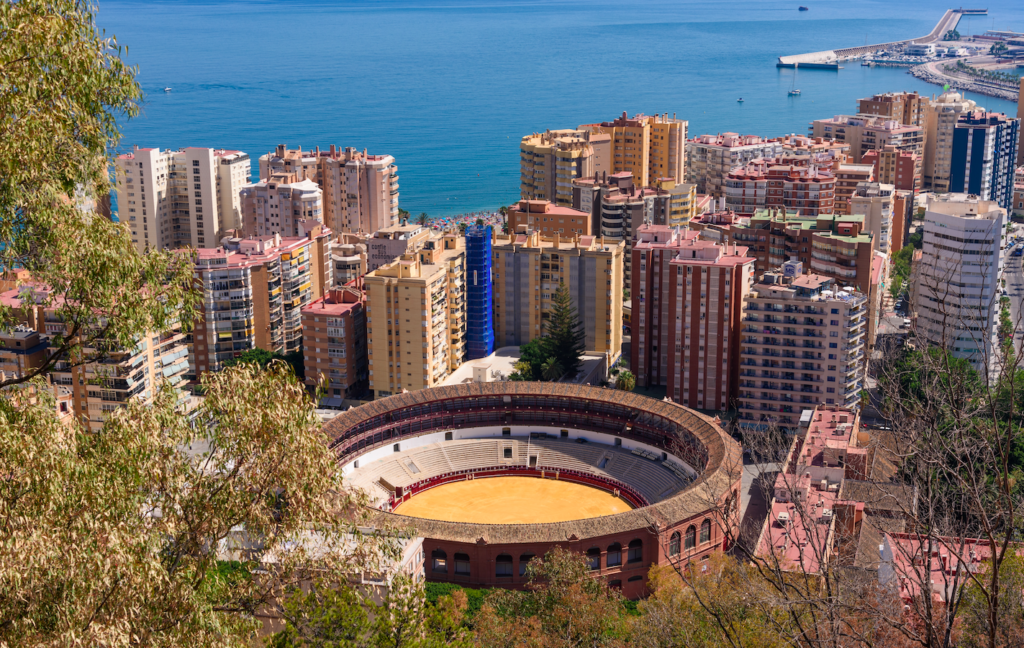
The fighting bulls are also bred specifically for the ring. Photo credit: Nenad Nedomacki/Shutterstock
A dream trip to Málaga quickly turned into a holiday memory two British tourists said they would rather forget after an unexpected encounter left them questioning one of Spain’s most controversial traditions.
They had travelled to the city during the week of the Feria de Málaga, but something they witnessed during their stay left them deeply upset and changed their experience of the celebrations. They had deliberately avoided the part of the festivities they knew they would not want to see. They did not expect to come face to face with its aftermath.
The sight they never wanted to see
David, 58, was in the city with his wife when they encountered the results of the bullfights at La Malagueta. The pair had no intention of attending a bullfight and normally avoid bullrings because they do not support the practice. Speaking to Euro Weekly News, David explained:
“We purposely avoid going to bullrings. It’s something that we do not support and do not wish to see, torturing an animal is barbaric.” The experience nevertheless brought them into contact with what happens after a corrida, when the dead bulls are removed from the arena.
That sight would stay with them for the rest of their visit, overshadowing what had otherwise been a holiday spent exploring Málaga and enjoying their time in the city. What should have been memories of sightseeing, discovering the area and experiencing Spanish culture were instead accompanied by an image they found deeply upsetting.
A tradition built into Málaga’s history
Bullfighting has been part of Spanish culture for centuries, particularly in Andalucía, where it remains closely linked to local traditions and celebrations. A traditional corrida follows a strict structure, with matadors, picadors and banderilleros carrying out different roles. Supporters regard the event as an art and cultural tradition with its own rules, techniques, costumes and rituals.
The fighting bulls are also bred specifically for the ring, with specialist ganaderías maintaining bloodlines developed over generations. In Málaga, that history is embodied by La Malagueta. The bullring opened in 1876 and celebrated its 150th anniversary this year. The 2026 Bullfighting Fair ran from August 8 to 22, forming part of the city’s Feria programme.
The anniversary included a special bullfight on August 20, broadcast live by Canal Sur, with Morante, Diego Urdiales and Fortes appearing at the historic venue. Bullfighting remains firmly connected to Málaga’s cultural calendar, despite the arguments surrounding it.
Why the tradition remains controversial
The central objection from animal welfare campaigners is what happens to the bull. During a traditional corrida, the animal is injured during the different stages of the fight before the matador kills it. Opponents argue that deliberately causing pain and killing an animal for entertainment cannot be justified by calling the practice a cultural tradition.
Supporters disagree. They argue that bullfighting is an important part of Spanish heritage and that removing it would mean losing a tradition that has been passed down through generations. The dispute has also entered Spanish politics. In 2024, the Culture Ministry abolished the country’s national bullfighting award, a decision that was welcomed by opponents but criticised by supporters.
The arguments have also extended to children, with campaigners questioning whether youngsters should be exposed to such an event involving the killing of an animal. That concern was echoed by David’s wife after what she saw in Málaga.
“Seeing it really shocked me, the fact that they drag them out for all to see, it’s not even covered by a tarp or blanket. Imagine if a child saw it!” Her objection was not to something she had watched inside the bullring. She had deliberately avoided doing that. Instead, it was the visibility of what happened afterwards that disturbed her.
Most Spaniards do not support bullfighting
Opposition to bullfighting is not limited to foreign tourists, a Fundación BBVA study published in 2025 found that 77 per cent of Spaniards disapproved of bullfighting. The research also found strong opposition to the use of animals in entertainment. Support remains stronger in areas where bullfighting has a long cultural history, and La Malagueta continues to attract spectators.
This year’s anniversary programme included several major events, including the return of Victorino Martín bulls to Málaga after 12 years. This years Feria also demonstrated that there is still a paying audience for the spectacle, despite the national figures showing that most Spaniards now disapprove of it. The disagreement is therefore not simply between people who understand Spanish culture and people who do not. It is a dispute within Spain itself.
“It broke my heart”
For David’s wife, seeing the animals being taken away made the reality of bullfighting impossible to ignore. She later described just how strongly she had reacted to the sight. “It broke my heart and made my tummy turn.”
The encounter left a lasting mark on their holiday. They had gone to Málaga to enjoy the city and everything it had to offer, but the sight at La Malagueta became an experience they could not simply put behind them and move on from. Instead, it became one of the memories they would take home from their trip, and not one they had expected or wanted to make.
Their experience also shows the difference between seeing bullfighting presented as a cultural tradition and seeing its consequences directly. For those who support it, the dead bulls are part of a centuries-old practice that remains legal and culturally significant. For David and his wife, seeing them removed from La Malagueta turned that tradition into something far more difficult to accept.
A holiday memory they won’t forget
The Feria continues to celebrate bullfighting alongside Málaga’s music, dancing, food and other traditions, while the figures show that most Spaniards no longer support the practice. For David and his wife, however, the issue is no longer something they had simply heard about or chosen to avoid.
They saw the aftermath themselves, and it became an upsetting part of a holiday that had otherwise been about discovering Málaga and enjoying their time in Spain. The bullring may be 150 years old, but the argument over whether bullfighting still belongs in modern Spain is far from settled.
Follow Euro Weekly News on Google News
Get breaking news from Spain, travel updates, and expat stories directly on your Google News feed.
Follow on Google NewsSign up for personalised news
Subscribe to our Euro Weekly News alerts to get the latest stories into your inbox!
By signing up, you will create a Euro Weekly News account if you don't already have one. Review our Privacy Policy for more information about our privacy practices.


Molly Grace
Molly is a British journalist and author who has lived in Spain for over 25 years. With a background in animal welfare, equestrian science, and veterinary nursing, she brings curiosity, humour, and a sharp investigative eye to her work. At Euro Weekly News, Molly explores the intersections of nature, culture, and community - drawing on her deep local knowledge and passion for stories that reflect life in Spain from the ground up.
Comments