Could your front door be opened with a piece of plastic? Spanish police reveal how to protect it
By Harry Dennis • Published: 28 Aug 2026 • 14:09 • 2 minutes read
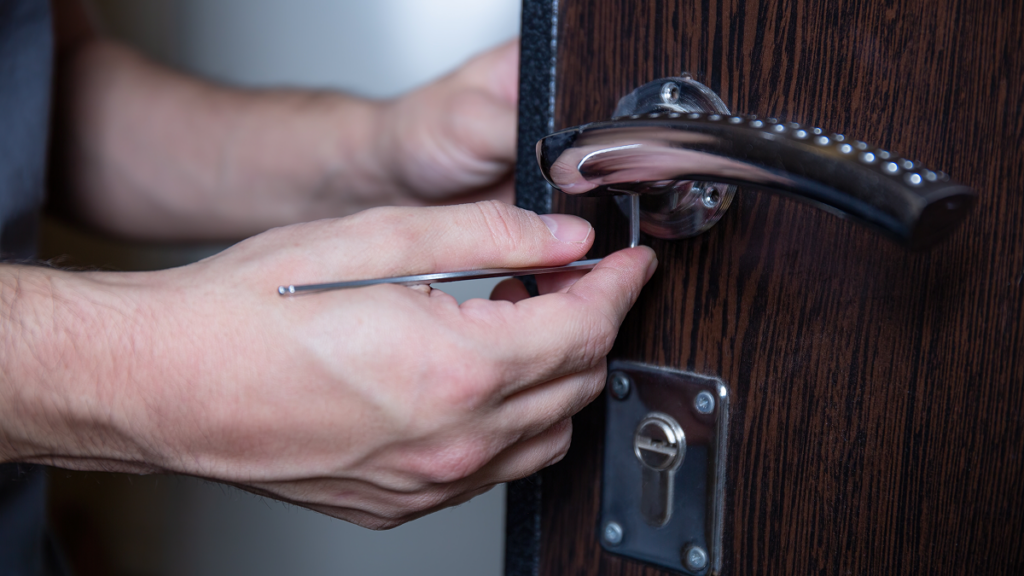
A door's security ultimately comes down to what's fitted inside the lock. Credit: Jannissimo / Shutterstock
Leaving a key turned only once instead of double locking a front door might feel like enough, but police say it can be the difference between a secure home and a ‘come on in’ invitation for burglars. Their advice: swap an old lock cylinder as regularly as you’d swap an old mattress.
How a piece of plastic can force open an unlocked door
Inspector Jefe Manuel, a Spanish National Police officer with more than nine years’ experience investigating forced-entry burglaries, used a small strip of plastic as the basic prop in a video shared by the force. He explains that when a door is not locked properly, with the key turned through every rotation the mechanism allows, that plastic can be enough to release the latch from outside.
🏠La #seguridad de tu #casa comienza antes de que accedas a ella
🚪🔐Por eso son tan importantes los elementos de seguridad de la #puerta de acceso
Toma nota de estas recomendaciones
No se lo pongas fácil a los delincuentes❌🕵️♂️#Consejos #SomostuPolicía pic.twitter.com/mTi3qcocNl— Policía Nacional (@policia) August 26, 2026
It is a habit most people never think twice about. Many treat a single turn of the key as ‘job done’, when the lock’s full security only engages once every turn has been made.
Why police compare an old lock cylinder to a worn-out mattress
“You probably change the mattress in your home every so often. Well, you need to do the same with the security parts of your door, especially the cylinder,” Manuel says in the video, comparing the small mechanism inside the handle, known as the bombín in Spanish, to a household item everyone accepts has a shelf life.
The reasoning behind the advice is fairly straightforward. Cylinders are exposed to weather, wear and the risk of a lost or copied key, and their condition should be checked every eight to ten years, with a locksmith able to judge whether they still offer real protection.
The certified ‘ideal duo’ locksmiths are being asked to fit
Manuel recommends what he calls the ideal pairing, where the lock allows it: a high-security protector, a metal cover that shields the cylinder from drilling, picking or extraction tools, fitted together with a certified high-security cylinder.
He points out that cylinders carry quality certificates in the same way as other everyday products, and advises asking a locksmith specifically for one certified under recognised standards, including DIN EN 1303 (the main European standard for cylinder locks), SKG (a Dutch security-testing mark) or VdS BZ+ (a German certification for burglary resistance). A locksmith should be able to show which of these a replacement cylinder meets before it goes anywhere near the door.
The lock upgrade recommended for elderly and dependent residents
One further option Manuel highlights is the double-clutch cylinder, which takes a key from both sides at once. It means the door can always be opened from outside using the original key, even if another key has been left in the lock on the inside. He recommends it in particular for dependent people or those using teleasistencia, Spain’s telecare alarm service that many elderly residents rely on to call for help. With a standard cylinder, a key left inside can lock out anyone trying to reach them in an emergency, including the carers or emergency services responding to that call.
It echoes earlier warnings from authorities, including a locksmith’s viral trick for keeping squatters out and why some common warning signs do not deter burglars the way homeowners assume.
The advice amounts to a general reminder that a lock is not a fit-and-forget fixture. Checking its age, its certification and how fully it gets turned each time the door closes costs nothing and, according to the officer explaining it, could be what stands between a house and an unwanted visitor.
Follow Euro Weekly News on Google News
Get breaking news from Spain, travel updates, and expat stories directly on your Google News feed.
Follow on Google NewsSign up for personalised news
Subscribe to our Euro Weekly News alerts to get the latest stories into your inbox!
By signing up, you will create a Euro Weekly News account if you don't already have one. Review our Privacy Policy for more information about our privacy practices.




Harry Dennis
Born in the UK and raised on the Cádiz coast, Harry brings his background in design, music, and photography to his writing for Euro Weekly News, sharing stories that celebrate culture and lifestyle across Spain and beyond.
Comments