OCU tests 91 supermarket coffees in Spain and exposes the worst
By Molly Grace • Published: 31 Aug 2026 • 22:51 • 3 minutes read
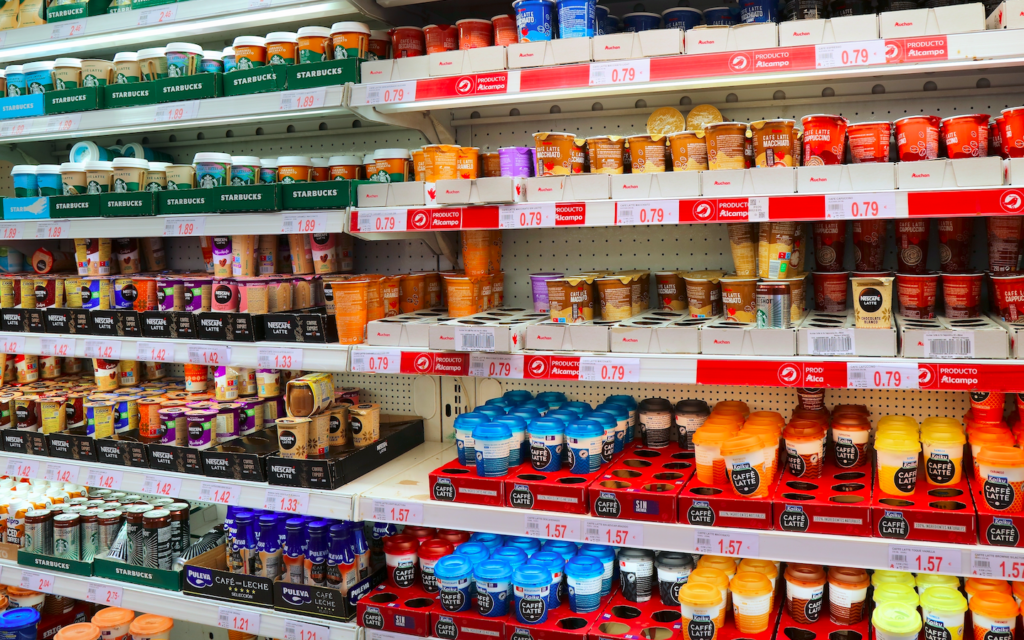
The average sugar content across the products examined was 7.6g per 100ml. Photo credit: Tupungato/Shutterstock
There is something extremely comforting about grabbing a cold coffee to go from the supermarket fridge. Coffee, milk, perhaps a little sugar and creme, a quick caffeine hit on the way to work, the beach or wherever the day takes you. Except many of those bottles and cartons are not quite as simple as they look.
Spain’s consumer organisation OCU has examined 91 ready-to-drink coffees sold in supermarkets, and found that just six qualified as a good choice on its Healthy Scale. Another 49 were rated acceptable, while 36 were classed as a poor choice. Not one achieved the organisation’s highest rating.The biggest problems were sugar, additives and increasingly complicated ingredient lists hiding behind labels that can make a chilled coffee look like little more than a convenient café con leche.
The sugar hiding in your cold coffee
The average sugar content across the products examined was 7.6g per 100ml, but some drinks contained considerably more. A typical 230ml or 250ml bottle can therefore contain far more sugar than the number on the front of the label might initially suggest. Cappuccino-style products were among the biggest offenders, averaging around 9% sugar, while flavoured coffees were also among the least healthy options. Caramel, vanilla and other sweet flavours often come with extra ingredients designed to counter the bitterness of coffee and create a creamier taste.
OCU advises shoppers to avoid ready-to-drink coffees containing more than 8g of sugar per 100ml. That means the difference between two apparently similar bottles on the same supermarket shelf can be substantial, particularly when the entire container is usually consumed in one go rather than being treated as several servings.
The coffees OCU rated worst
Of the 91 coffees examined, 36 were classified as a poor choice, with macchiato and cappuccino varieties performing particularly badly. Macchiato coffees dominated the bottom of the rankings, accounting for six of the 11 lowest scores in the entire study. These products generally combined more sugar and calories with longer, more heavily processed ingredient lists.
Cappuccino was the category with the highest average sugar content, while flavoured coffees containing caramel, vanilla or hazelnut also tended to perform poorly. OCU found that these sweeter options often contained more sugar, flavourings and additives than simpler coffee-based drinks.
Shoppers looking for a quick way to identify the less healthy options should pay particular attention to the label. OCU advises avoiding drinks with more than 8g of sugar per 100ml and those containing two or more additives, specifically highlighting E-339, E-340, E-950 and E-955 among the ingredients it does not recommend.
Some contain up to five additives
Sugar was not the only issue, only around one in five of the coffees examined were free from additives. The rest frequently contained ingredients including stabilisers, thickeners, flavourings and acidity regulators, with some products containing as many as five different additives.
The study found that certain types of coffee were consistently more heavily processed than others. Protein and lactose-free coffees often contained three or more additives, while vegan versions also relied on gums and hydrocolloids to recreate the texture normally provided by milk.
Cappuccino, macchiato and flavoured varieties generally performed less well because their recipes tended to be more complicated, combining sugar, creaminess-enhancing ingredients and flavourings. By contrast, espresso-style products usually had simpler compositions and fewer additives.
The four coffees singled out for their composition
Four products were specifically highlighted for having the best compositions in the study:
- Kaiku Caffè Solo Largo Sin Azúcar — 77 points
- Kaiku Caffè Latte Sin Azúcares Añadidos — 77 points
- Kaiku Caffè Latte Descafeinado — 76 points
- Kaiku Caffè Latte Protein Coffee Doble Cero — 73 points
The highest-scoring product, Kaiku Caffè Solo Largo Sin Azúcar, contains just water and Arabica coffee and has no added sugar or additives. The wider study also found that Kaiku and Nescafé products generally used fewer additives than many competitors, although the exact nutritional profile still varies from product to product.
Espresso can pack a serious caffeine hit
There was another surprise in the results: the amount of caffeine varied dramatically. Only 44 of the 91 products actually stated their caffeine content on the label. Among those that did, the average was 35mg per 100ml, ranging from 20mg to 80mg. Espresso-style drinks contained the highest amounts. A standard 250ml container provided around 130mg of caffeine on average, while one product reached 200mg per container, shockingly this is more than some energy drinks!
So the next time you reach into the supermarket fridge for what looks like a quick take away cold coffee, the label may be worth a second look. The simplest option may not have the flashiest packaging or the most tempting flavour, but according to the latest analysis, it is far more likely to actually resemble a coffee rather than a sugary, heavily processed drink with caffeine added.
Follow Euro Weekly News on Google News
Get breaking news from Spain, travel updates, and expat stories directly on your Google News feed.
Follow on Google NewsSign up for personalised news
Subscribe to our Euro Weekly News alerts to get the latest stories into your inbox!
By signing up, you will create a Euro Weekly News account if you don't already have one. Review our Privacy Policy for more information about our privacy practices.



Molly Grace
Molly is a British journalist and author who has lived in Spain for over 25 years. With a background in animal welfare, equestrian science, and veterinary nursing, she brings curiosity, humour, and a sharp investigative eye to her work. At Euro Weekly News, Molly explores the intersections of nature, culture, and community - drawing on her deep local knowledge and passion for stories that reflect life in Spain from the ground up.
Comments