OCU report reveals hidden concerns in ice creams sold across Spain’s supermarkets
By Molly Grace • Updated: 03 Jun 2026 • 18:02 • 3 minutes read
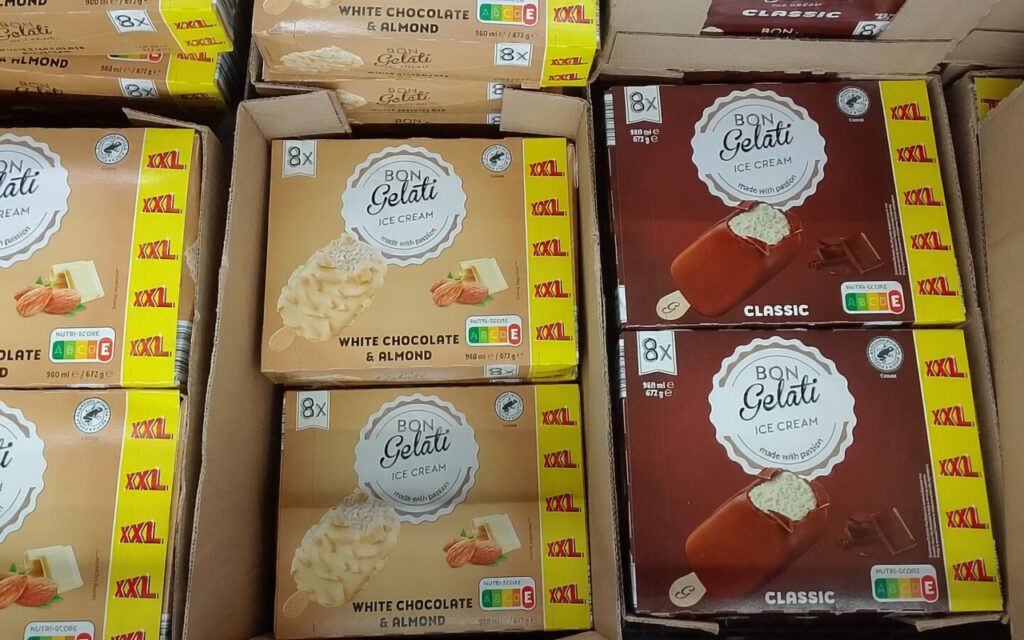
Many items contained reduced quantities of milk or cream. Photo credit: StockBook/Shutterstock
The Spanish consumer organisation OCU has warned that many supermarket “helado bombón” (Chocolate coated ice creams) sold across Spain are highly processed products with lower-than-expected ingredient quality, following an analysis of 24 items commonly available in major retail chains. The study examined 12 chocolate-covered vanilla ice creams and 12 almond-coated chocolate varieties. It found that most products rely heavily on vegetable fats such as coconut, palm and sunflower oil instead of traditional dairy fats.
They also contain multiple additives and flavourings used to replicate the texture and taste of conventional ice cream and instead of going by ”Cream Ice-cream” or ”Vanilla Ice-cream” they will use names such as ”Vanilla flavoured” or ”Cream flavoured”. In several cases, OCU identified up to eight additives per product, including emulsifiers such as E-471, E-442 and E-476, which were among the most frequently used ingredients across the samples. The organisation classified many of the products as ultra-processed foods due to the combination of refined ingredients, additives and industrial formulation methods. It also noted that packaging and marketing can sometimes suggest a more traditional dairy-based product than the ingredients actually reflect.
What supermarkets in Spain sell these products
”Helado bombón” ice creams are widely available across Spain and are stocked in most major supermarket chains, particularly during the warmer months when demand increases.
They are commonly found in:
- Mercadona (Hacendado range)
- Carrefour (including Carrefour and Carrefour Extra lines)
- Lidl (Gelatelli brand)
- Aldi (own-label frozen desserts)
- Dia (Alteza and Temptation ranges)
- Alcampo (Auchan products)
- El Corte Inglés supermarkets
These products are typically positioned as affordable frozen treats and are frequently included in seasonal promotions or multipack deals.
OCU’s findings indicate that many supermarket versions focus on cost efficiency, using vegetable fats in place of dairy ingredients and relying on emulsifiers and stabilisers to maintain structure, creaminess and shelf stability. This approach reduces production costs but also alters the traditional composition of ice cream.
Ingredient profile and nutritional considerations
Across the 24 products analysed, OCU observed a consistent pattern in formulation. Many items contained reduced quantities of milk or cream, with fats often replaced by coconut, palm or sunflower oils. Cocoa content also varied significantly, particularly in coated chocolate varieties. In addition to fat substitution, the study highlighted the use of sweeteners, flavourings and emulsifiers designed to replicate traditional taste and texture. These additives help maintain stability and prevent separation during freezing and storage, but contribute to a more industrial composition.
OCU noted that while additives used in the products are authorised under EU food regulations, their presence reflects a higher degree of processing compared with traditional ice cream recipes. The organisation also pointed out that consumers may not always be aware of these differences, as branding and presentation can suggest higher-quality ingredients than those actually included.
Healthier alternatives and where to find them
OCU does not recommend eliminating ice cream from the diet but advises consumers to pay attention to ingredient lists and choose products with simpler formulations where possible. Within supermarkets, comparatively better options tend to include premium ice cream ranges or products labelled explicitly as “helado de crema”, which generally contain a higher proportion of dairy ingredients and fewer additives. Some premium private-label lines also use shorter ingredient lists and reduced emulsifier content.
Outside supermarkets, residents in Spain can find alternatives in artisan ice cream shops (heladerías and gelaterías), which are widely available in cities such throughout Spain and especially along the Mediterranean coast. These establishments often sell up to 1 litre options and produce ice cream on-site using fresh milk, cream, fruit and natural flavourings, with fewer stabilisers or artificial additives. Another alternative highlighted by nutrition experts is homemade ice cream, particularly fruit-based versions using frozen banana, natural yoghurt or cocoa. These options avoid industrial emulsifiers entirely and allow full control over sugar and fat content.
Advice for those living in Spain
Chocolate covered ice-cream products are widely consumed in Spanish household, especially during the summer season when frozen desserts are a regular purchase in supermarkets. For many households, these products are chosen due to affordability and convenience. However, OCU’s analysis suggests that lower prices often correspond with increased use of vegetable fats and additives rather than traditional dairy ingredients.
This has implications for everyday consumption habits, particularly among families purchasing multipacks or budget-friendly frozen desserts. The report encourages consumers to check ingredient labels more closely, especially for references to vegetable oils, emulsifiers and flavourings. More broadly, the findings reflect a wider trend in the Spanish food market, where ultra-processed products are increasingly common in everyday shopping baskets. While OCU does not classify these ice creams as unsafe for consumption, it emphasises that they are best considered occasional treats rather than staple foods.
For residents, the issue is less about food safety and more about transparency, consumer awareness and understanding what is actually contained in widely marketed supermarket products.
Follow Euro Weekly News on Google News
Get breaking news from Spain, travel updates, and expat stories directly on your Google News feed.
Follow on Google NewsSign up for personalised news
Subscribe to our Euro Weekly News alerts to get the latest stories into your inbox!
By signing up, you will create a Euro Weekly News account if you don't already have one. Review our Privacy Policy for more information about our privacy practices.





Molly Grace
Molly is a British journalist and author who has lived in Spain for over 25 years. With a background in animal welfare, equestrian science, and veterinary nursing, she brings curiosity, humour, and a sharp investigative eye to her work. At Euro Weekly News, Molly explores the intersections of nature, culture, and community - drawing on her deep local knowledge and passion for stories that reflect life in Spain from the ground up.
Comments