The Marina Alta villages where foreigners now make up almost half the population
By Lottie Verrier • Published: 31 Aug 2026 • 12:39 • 2 minutes read
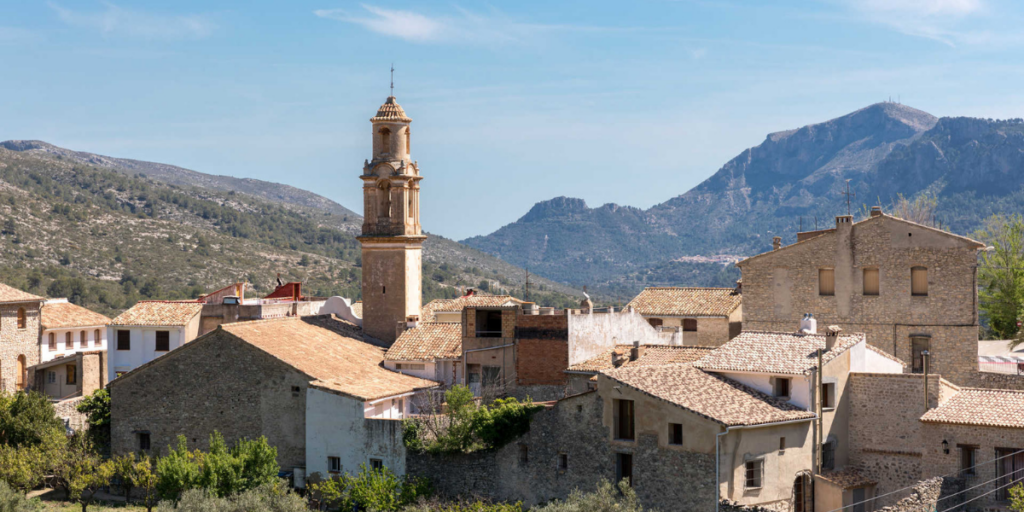
New population figures reveal inland municipalities have exceptionally high proportions of foreign residents Credit: ComunitatValencia
The Marina Alta is famous for its beaches, holiday homes and international coastal communities, but some of its most striking demographic changes are happening well away from the Mediterranean.
New population figures reveal that a growing number of inland municipalities have exceptionally high proportions of foreign residents, with 11 villages now recording foreign populations of more than 40 per cent.
The figures highlight just how dramatically the population map of the Marina Alta has changed, with international residents no longer concentrated exclusively around the best-known coastal resorts.
A very different side of the Marina Alta
For many visitors, the Marina Alta immediately brings to mind Javea, Moraira, Calpe and Dénia. Yet inland villages stretching towards the Vall de Gallinera, Vall d’Alcalà and the surrounding mountains have also become increasingly international.
In some of these smaller municipalities, foreign residents account for more than four in every 10 people officially registered as living there.
That is a remarkable proportion when compared with the national picture. According to Spain’s National Statistics Institute, foreign nationals represented 14.1 per cent of the country’s population at the beginning of 2025.
The Marina Alta’s inland figures therefore demonstrate how particularly attractive some of its smaller communities have become to people moving to Spain from abroad.
Why are inland villages proving so popular?
The reasons are likely to be very different from those attracting buyers to the major coastal resorts.
For international residents looking for a quieter Spanish lifestyle, inland Marina Alta villages offer traditional architecture, spectacular mountain scenery and a slower pace of life, while still being within reach of the coast.
Property can also be more accessible than in some of the area’s most sought-after coastal locations.
For some newcomers, the attraction is precisely that these villages feel less dominated by mass tourism. Residents can become part of established communities while enjoying countryside, hiking routes, local fiestas and traditional village life.
The changing face of the Marina Alta
The figures also reflect a wider transformation taking place across Spain.
The INE recorded almost 6.9 million foreign nationals living in Spain on January 1, 2025, representing 14.1 per cent of the population. The number had increased by more than six per cent in a single year.
People born outside Spain represented an even larger share, accounting for 19.3 per cent of the country’s population.
The Marina Alta’s inland communities are therefore part of a much bigger pattern, but their particularly high percentages show how strongly international migration can reshape small rural municipalities.
From tourist destination to permanent home
Perhaps the most interesting part of the figures is what they say about the Marina Alta itself.
The region is no longer simply somewhere international visitors come for a few weeks in summer. For thousands of people, it has become home.
And increasingly, that home is not necessarily beside the sea.
The villages of the inland Marina Alta are becoming international communities in their own right, bringing new residents, businesses, languages and cultures into some of the area’s smallest and most traditional villages.
For a region once defined largely by its coastline, the demographic story is increasingly being written in the mountains.
Follow Euro Weekly News on Google News
Get breaking news from Spain, travel updates, and expat stories directly on your Google News feed.
Follow on Google NewsSign up for personalised news
Subscribe to our Euro Weekly News alerts to get the latest stories into your inbox!
By signing up, you will create a Euro Weekly News account if you don't already have one. Review our Privacy Policy for more information about our privacy practices.




Lottie Verrier
Lottie Verrier is a journalist and digital media specialist based in Mallorca. After a decade in London media, including a role as Deputy Editor for the MailOnline’s eCommerce division, she now combines her editorial expertise with a passion for the island to create engaging content that celebrates the best of life in Spain. Instagram @lottieinmallorca
Comments