Mallorca museum removes gold from display after major Spanish treasure theft
By Lottie Verrier • Published: 01 Sep 2026 • 17:00 • 2 minutes read
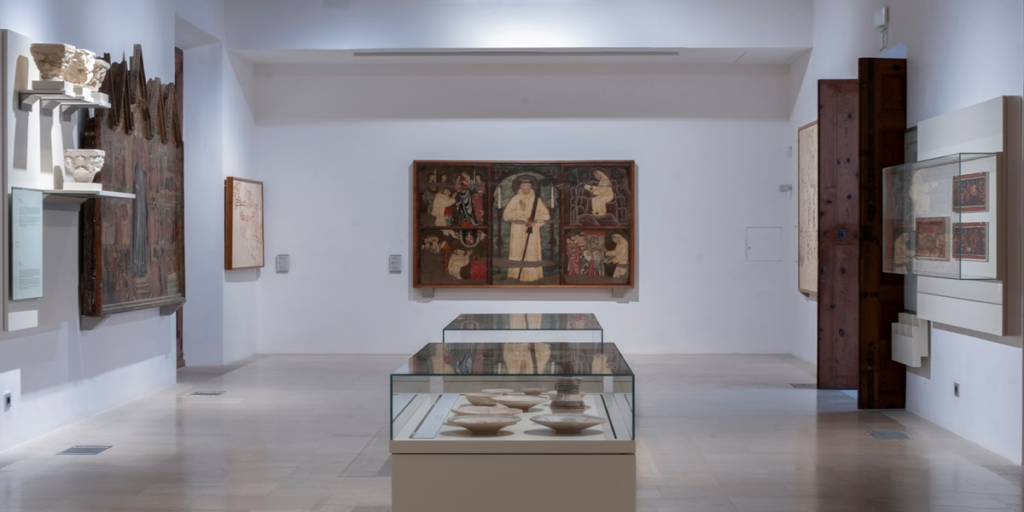
Museo de Mallorca acts after recent Alicante theft Credit: Consell
The Museu de Mallorca has removed valuable gold and silver coins from public display following the dramatic theft of the famous Tesoro de Villena in Alicante.
The decision comes amid growing concern over the security of museums across Spain, after a series of recent robberies targeting archaeological objects made from precious metals.
Gold coins moved into secure storage
The Museu de Mallorca has taken 20 gold and silver coins dating from the 12th and 13th centuries out of a temporary exhibition.
The Almohad-era coins, which form part of Mallorca’s Islamic archaeological collection, will now be transferred to the museum’s secure chamber rather than remaining inside a public display case.
Museum director Maria Gracia Salvà said the institution was deeply concerned by the theft in Villena, describing the loss of the prehistoric treasure as devastating for the archaeological community.
The Tesoro de Villena was stolen from the Museo de Villena in Alicante in a highly coordinated overnight raid last week. Most of the collection, regarded as one of Europe’s most important Bronze Age treasures, was taken.
Security concerns grow
The incident has prompted fresh questions about how museums protect objects that have both enormous historical significance and considerable value as precious metals.
At the Museu de Mallorca in Palma, round-the-clock security has been in place for around a year, alongside remote video surveillance. The additional protection is funded by the Consell de Mallorca.
However, several other archaeological museums around the island do not have permanent physical security.
These include satellite and archaeological sites in Muro, Montuïri, Manacor, Pollença and Alcúdia, where surveillance systems are in place but full-time guards are not necessarily present.
Fears for Mallorca’s heritage
The theft in Villena has also raised wider concerns about the future of archaeological collections in local museums.
Experts fear criminals may target ancient objects because of the value of the materials they contain, despite their much greater historical and cultural importance.
There are also concerns that valuable archaeological pieces could increasingly be replaced by replicas if museums cannot guarantee their security.
For Mallorca, the debate is particularly significant. Some of the islands’ most important prehistoric treasures, including the famous Bulls of Costitx and the Lloseta bronze collection, are already held outside the Balearics.
The latest decision in Palma highlights the difficult balance facing museums: keeping precious objects accessible to the public while ensuring that irreplaceable pieces survive for future generations.
Follow Euro Weekly News on Google News
Get breaking news from Spain, travel updates, and expat stories directly on your Google News feed.
Follow on Google NewsSign up for personalised news
Subscribe to our Euro Weekly News alerts to get the latest stories into your inbox!
By signing up, you will create a Euro Weekly News account if you don't already have one. Review our Privacy Policy for more information about our privacy practices.




Lottie Verrier
Lottie Verrier is a journalist and digital media specialist based in Mallorca. After a decade in London media, including a role as Deputy Editor for the MailOnline’s eCommerce division, she now combines her editorial expertise with a passion for the island to create engaging content that celebrates the best of life in Spain. Instagram @lottieinmallorca
Comments