‘Pervert glasses’ face possible ban in Norway as hidden camera fears grow
By Molly Grace • Published: 04 Sep 2026 • 1:08 • 3 minutes read
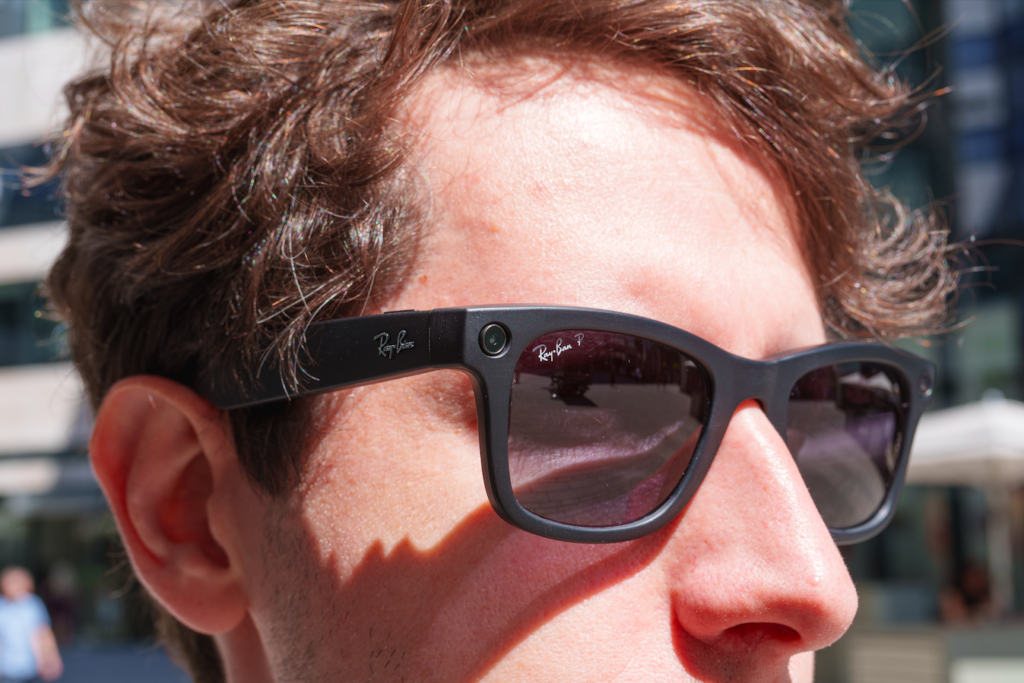
The glasses can look like ordinary eyewear, while cameras and microphones are built into the frames. Photo credit: Alexander Fedosov/shutterstock
Imagine being filmed in public without even realising it’s happening, that’s the privacy issue at the heart of Norway’s recent move against smart glasses with cameras, as the government considers tighter rules for wearable tech that can record individuals without their consent. Right now, the Norwegian government is exploring whether to ban certain features of smart glasses, especially those that can recognise people in public.
They’re also setting up an expert group to give advice on how Norway should regulate smart glasses, earbuds, and other everyday devices that come with cameras, microphones, and AI. This discussion is happening as we see more camera-equipped eyewear on the market. Products like Meta’s Ray-Ban smart glasses let users snap photos and videos while keeping their hands free, but that raises questions about privacy.
Cameras That Might Go Unnoticed
A camera on someone’s face is a lot less obvious than a traditional phone can be, that’s one of the biggest worries about this tech. They can easily pass for regular glasses, even though there are cameras and microphones hiding in the frame. Some models do have a small light that indicates when they’re recording, but critics point out that people nearby might still be in the dark about what’s actually happening.
This concern has led to some camera-equipped glasses getting the nickname “pervert glasses,” highlighting fears they could be used to secretly film strangers, especially women. Norway’s Digitalisation Minister Karianne Tung has pointed out that technology is increasingly blending AI with cameras and mics in everyday items. The main worry is stopping these devices from being used to spy on people in public.
Facial Recognition Might Get Banned
Norway isn’t outright banning smart glasses just yet, they’re considering tighter regulations, with Tung mentioning the possibility of banning facial recognition features for people in public. This is important because just owning or wearing camera-enabled glasses wouldn’t necessarily be against the law under this proposal.
The focus will be on what the tech is capable of and how it’s being used. The government plans to have the expert group look into rules for smart glasses, earbuds, and other devices that have cameras and AI. Their recommendations will help shape future regulations, which could eventually be put out for public consultation.
Smart Glasses Are More Than a Fad
This technology is evolving quickly. Modern smart glasses can mix cameras, microphones, speakers, and internet connectivity into what looks like a regular pair of glasses. Depending on the model, users can take photos, record videos, make calls, chat with AI assistants, and get info without needing to grab their phones.
That convenience complicates privacy protections, though. A smartphone pointed at someone’s face is pretty easy to recognise as a recording device. But smart glasses can be worn all day, making it possible to capture images, video, or audio while having a regular conversation or walking through public spaces. Norway’s government believes this growing trend needs to be tackled before these devices become even more popular.
Schools and Workplaces May Take the Lead
The Norwegian government is also urging organisations to figure out for themselves if smart glasses should be allowed on their premises. We might see some workplaces, public buildings, and other places putting restrictions in place before any national laws come into play.
Norway’s education minister has already suggested that schools should develop their own rules around using smart glasses. This reflects a larger challenge for businesses and organisations: existing privacy policies were likely created with phones, cameras, and computers in mind, not with wearables that can quietly record and include AI.
Norway Is Not Alone
The discussions in Norway come as worries about camera-equipped glasses are spreading globally. Privacy regulators, businesses, and venues are increasingly faced with how to handle these devices as manufacturers aim to make them part of everyday life. For example, Australia’s online safety regulator has called for smart glasses to have clear recording indicators and to automatically blur people’s faces. Some venues have even started imposing their own restrictions.
As for Norway, the next steps are still up in the air. The expert group will explore the options before the government decides if new rules are necessary. Any proposed regulations would need to go through further processes before they could become law. So the big question isn’t whether smart glasses will vanish from Norwegian streets anytime soon. Instead, it’s whether the country is ready to set limits on technology that can turn a normal-looking pair of glasses into a portable camera, and maybe even a tool for identifying the people in front of it.
Follow Euro Weekly News on Google News
Get breaking news from Spain, travel updates, and expat stories directly on your Google News feed.
Follow on Google NewsSign up for personalised news
Subscribe to our Euro Weekly News alerts to get the latest stories into your inbox!
By signing up, you will create a Euro Weekly News account if you don't already have one. Review our Privacy Policy for more information about our privacy practices.





Molly Grace
Molly is a British journalist and author who has lived in Spain for over 25 years. With a background in animal welfare, equestrian science, and veterinary nursing, she brings curiosity, humour, and a sharp investigative eye to her work. At Euro Weekly News, Molly explores the intersections of nature, culture, and community - drawing on her deep local knowledge and passion for stories that reflect life in Spain from the ground up.
Comments