Spain’s minimum wage rises by just €37 a month as Europe’s biggest increases soar
By Molly Grace • Published: 04 Sep 2026 • 0:28 • 3 minutes read
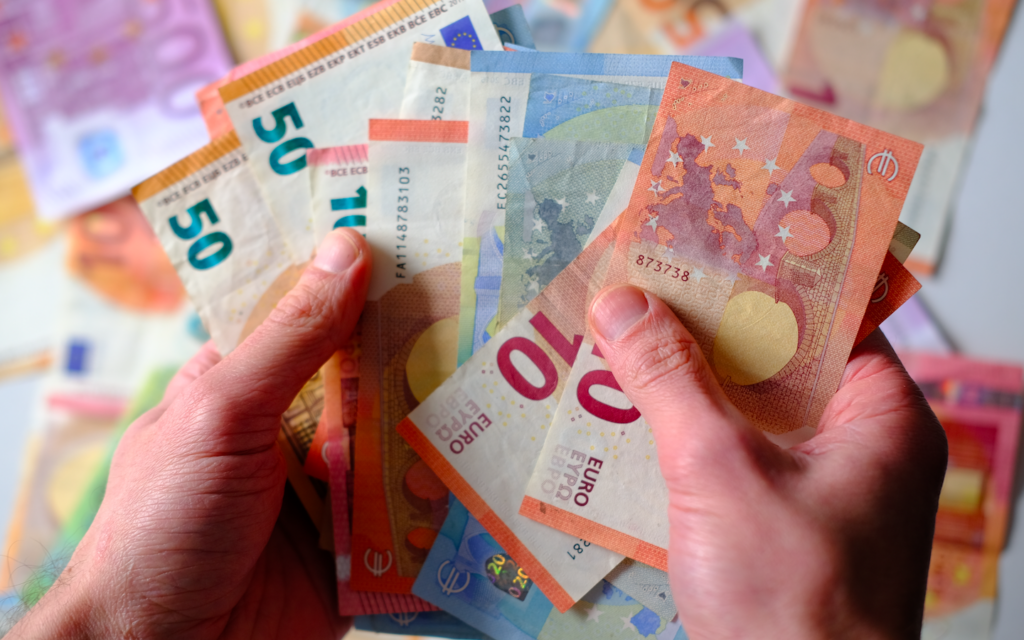
an extra €37 a month is unlikely to transform the household budget. Photo credit: Kittyfly/Shutterstock
For those earning Spain’s minimum wage, an extra €37 a month isn’t likely to make a significant difference in their household budget, especially when rent, food, and regular bills continue to eat up a big chunk of their earnings. At the beginning of the year Spain’s minimum wage went up by 3.1 percent, raising the gross monthly rate to €1,221, paid over 14 instalments.
This puts Spain among EU nations where the minimum wage has seen one of the smallest increases this year, even though the country has made substantial raises in the longer run. What’s striking here is that some countries with much lower minimum wages have given out much larger percentage boosts.
How Spain stacks up against Europe
According to the latest data from Eurofound, minimum wages have generally gone up across most of the European Union from January 2025 to January 2026, though the extent of these increases varied a lot. Spain’s 3.1 percent rise is well below some of the more notable increases seen this past year. Countries like Slovenia, Bulgaria, Slovakia, Lithuania, and Hungary saw increases surpassing 10 percent.
On the flip side, Luxembourg only raised its minimum wage by 2.5 percent, and Poland’s was up by 3 percent. France also recorded a modest bump. So, Spain finds itself toward the lower end of the European scale when it comes to this year’s hike. But looking solely at the percentage doesn’t tell the full story.
Spain’s higher starting point
One key reason Spain can report one of the EU’s smallest increases while not having one of the lowest minimum wages is that its workers already receive a decent amount. Since 2018, the Spanish minimum wage has jumped from €735 a month to €1,221 in 2026, which is a hefty increase of over 66 percent in just eight years.
This puts Spain well ahead of many Eastern European nations where minimum wages are still much lower. Eurofound points out a clear trend across Europe: countries with lower minimum wages are generally making bigger percentage hikes, while those with higher wages tend to adjust more conservatively. For someone looking at salaries rather than percentages, this distinction is key. A worker getting a 10 percent raise on a much lower base salary doesn’t necessarily earn more than someone in Spain making the SMI.
What does the €37 increase mean?
The minimum wage rise in Spain for 2026 means an additional €518 to the annual gross minimum wage, totaling €17,094. The government estimates that about 2.5 million workers will benefit from this change. This new rate kicks in on January 1, so those earning the SMI will receive the increase retroactively for the months they’ve already worked in 2026.
Additionally, it’s confirmed that the annual minimum wage remains below the threshold where personal income tax kicks in, meaning those on the SMI won’t lose part of their increase to IRPF with the current setup. But for families already tight on budget, the jump from €1,184 to €1,221 a month still feels pretty minor.
Minimum wage and buying power
When comparing across Europe, it’s important to consider inflation. A pay raise only means better living standards if wages grow faster than the rising costs of goods and services. Eurofound’s evaluation for 2026 showed that minimum-wage purchasing power went up in nearly every EU nation because inflation was generally lower than the wage increases.
So even though other countries gave bigger percentage boosts, Spanish workers haven’t necessarily lost purchasing power. What really matters for someone living on the SMI is what they can actually afford with that income. Housing costs can take a hefty slice of a low salary, along with groceries, utilities, transport, and other essential expenses, which really dictate how much money is left at the end of the month. Thus, a 3.1 percent increase can look pretty different on paper compared to the reality of budgeting an extra €37 each month.
A shifting wage landscape in Europe
The data also reveal how differently EU countries are tackling the same issue. Nations with historically lower minimum wages are stepping up their annual increases to close the gap with those that pay more. Spain, which has significantly raised its minimum wage since 2018, has already made substantial progress.
What’s interesting is that Spanish workers find themselves in a unique situation: they have one of the smallest percentage increases in 2026, yet their minimum wage still ranks among the higher statutory rates in the EU. For anyone on minimum wage, the figure that really counts isn’t Spain’s position on the percentage scale, but how much of that €1,221 is left after paying for the essentials.
Follow Euro Weekly News on Google News
Get breaking news from Spain, travel updates, and expat stories directly on your Google News feed.
Follow on Google NewsSign up for personalised news
Subscribe to our Euro Weekly News alerts to get the latest stories into your inbox!
By signing up, you will create a Euro Weekly News account if you don't already have one. Review our Privacy Policy for more information about our privacy practices.




Molly Grace
Molly is a British journalist and author who has lived in Spain for over 25 years. With a background in animal welfare, equestrian science, and veterinary nursing, she brings curiosity, humour, and a sharp investigative eye to her work. At Euro Weekly News, Molly explores the intersections of nature, culture, and community - drawing on her deep local knowledge and passion for stories that reflect life in Spain from the ground up.
Comments