Calasparra’s International Folklore Festival returns for its 28th edition
By Natascha Rivera • Published: 07 Sep 2026 • 20:03 • 1 minute read
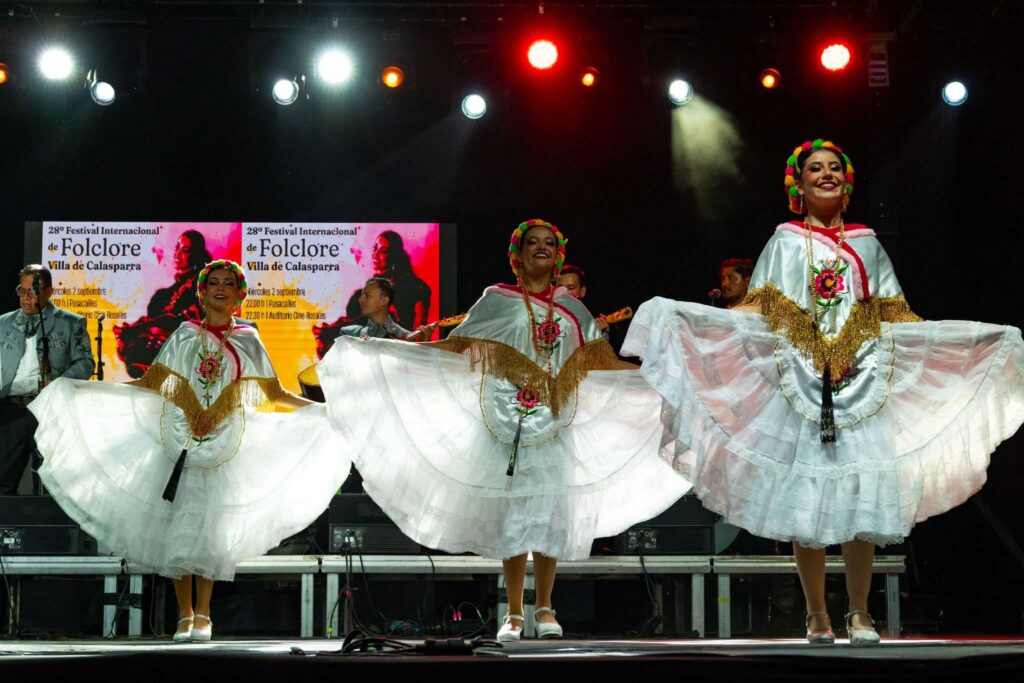
Calasparra celebrates 28th edition of International Folklore Festival. Photo Credit: Calasparra Town Hall
Once again, the historic Murcia town of Calasparra has transformed into a vibrant epicentre of cultural diversity with the celebration of the 28th edition of its International Folklore Festival. Over the years, this landmark event has firmly established itself as an essential cultural benchmark within the interior of the Region of Murcia, drawing locals and visitors alike to honour shared human traditions.
Global traditions take centre stage in Murcian town
Organised by the Calasparra Town Hall and hosted in the iconic Cine Rosales Auditorium, the festival seamlessly combined music, dance, and ancestral customs into a dynamic showcase of global folklore. One of the primary highlights of this year’s edition was the inclusion of two distinguished international delegations. Taking the stage was the Netos Cultural Group of Bandim, a renowned collective that has spent over two decades using music, dance, and theatre as vital tools for social development and community work. Joining them was the Dance Company of the Higher Institute of Artistic Education, an esteemed institution dedicated to the rigorous research, preservation, and global dissemination of Mexican and Latin American folk heritage.
Celebrating local Murcian heritage, music, and culture
Alongside this international flair, the festival remained deeply rooted in local pride. The stage came alive with traditional regional dances, where energy and emotion intermingled through performances of jotas, malagueñas, manchegas, pardicas, sevillanas, and gandulas. Local performers delivered a moving spectacle that proudly reaffirmed Calasparra’s role as a dedicated guardian of Murcian identity and cultural heritage.
Connecting cultures through music and dance
Nestled in the picturesque surroundings of the Costa Calida region, Calasparra successfully demonstrated that art transcends geographical boundaries. Through the universal languages of music and dance, the festival served as an enduring bridge between different towns, generations, and diverse cultural identities, leaving a lasting impression on all who attended.
Follow Euro Weekly News on Google News
Get breaking news from Spain, travel updates, and expat stories directly on your Google News feed.
Follow on Google NewsSign up for personalised news
Subscribe to our Euro Weekly News alerts to get the latest stories into your inbox!
By signing up, you will create a Euro Weekly News account if you don't already have one. Review our Privacy Policy for more information about our privacy practices.



Natascha Rivera
Natascha is a Dominican writer based in Spain with a background in audiovisual and marketing communication. A lifelong reader and passionate storyteller, she brings a creative edge to her work at Euro Weekly News. Her multicultural perspective informs her coverage of lifestyle and community stories, offering fresh angles and relatable storytelling that connects with a diverse audience.
Comments