Think taking a fancy seashell home is harmless? It could cost you €12,000 or a prison sentence
By Lucy Ramnought • Published: 10 Sep 2026 • 14:36 • 1 minute read
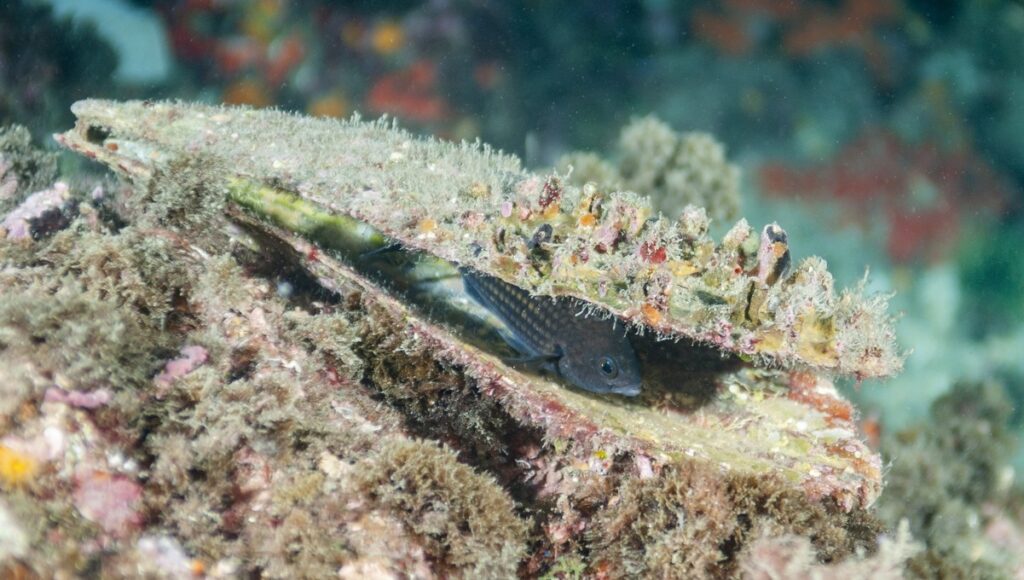
Endangered mother of pearl Credit: Jesus Cobaleda/shutterstock
An authentic beach souvenir may seem to some better than a fridge magnet, but could turn your holiday into a legal nightmare, as one man in Italy recently discovered.
Discovery at Spiaggia Grande
Officers from the Sant’Antioco Forestry Corps stepped in after vigilant beachgoers reported seeing someone extract marine life from the water. Upon searching the shoreline, inspectors retrieved a young noble pen shell (Pinna nobilis), locally known as a nacre or more famously as mother of pearl, stashed in a rocky crevice, just a metre away from a tourist’s beach umbrella.
Having been freshly pulled from its seabed habitat, the mollusc was still alive. Authorities immediately identified the individual responsible, opened formal legal proceedings, and referred the case to the public prosecutor’s office.
A critically endangered giant
Reaching lengths of over a metre, the noble pen shell is the largest native bivalve mollusc in the Mediterranean basin. European Union law has strictly protected the species under the Habitats Directive since 1992, making it illegal to collect, disturb, or harm the animals.
Populations have dropped drastically in recent years due to coastal development, water pollution, and a deadly parasite outbreak that swept through the region. Conservation bodies stress that protection extends even to empty shells washed ashore; taking any part of the animal disrupts the fragile balance of local marine ecosystems.
Motivation behind the stashed shell
There are a handful of lucrative reasons why individuals target the creature. Intact shells command mega sums among private collectors and black-market traders due to their endangered status. Historically, the mollusc was also prized for its pearlescent interior and “sea silk”—rare golden threads secreted by the animal to anchor itself to the seabed.
Under Italian environmental law, harvesting endangered marine species constitutes a criminal offence. Convicted offenders face prison sentences ranging from two months to two years, with financial penalties between €2,000 and €12,000. Italian forestry officials have used the incident to remind holidaymakers that coastal habitats are not gift shops, urging visitors to leave rocks, shells, and sea life exactly where they belong. Bet he wishes he’d chosen that novelty tea towel now.
Follow Euro Weekly News on Google News
Get breaking news from Spain, travel updates, and expat stories directly on your Google News feed.
Follow on Google NewsSign up for personalised news
Subscribe to our Euro Weekly News alerts to get the latest stories into your inbox!
By signing up, you will create a Euro Weekly News account if you don't already have one. Review our Privacy Policy for more information about our privacy practices.




Lucy Ramnought
Lucy Ramnought is a local news writer and mother of 4 from the UK who has lived in the Costa Del Sol for just over 4 years. With a background in content writing and social media for various companies, and with vast experience in PA and project management, Lucy is committed to producing accurate, engaging and reliable stories to her work at Euro Weekly News.
Comments