This Spanish supermarket delivers a major win for animal welfare in Spain
By Molly Grace • Published: 10 Sep 2026 • 16:59 • 3 minutes read
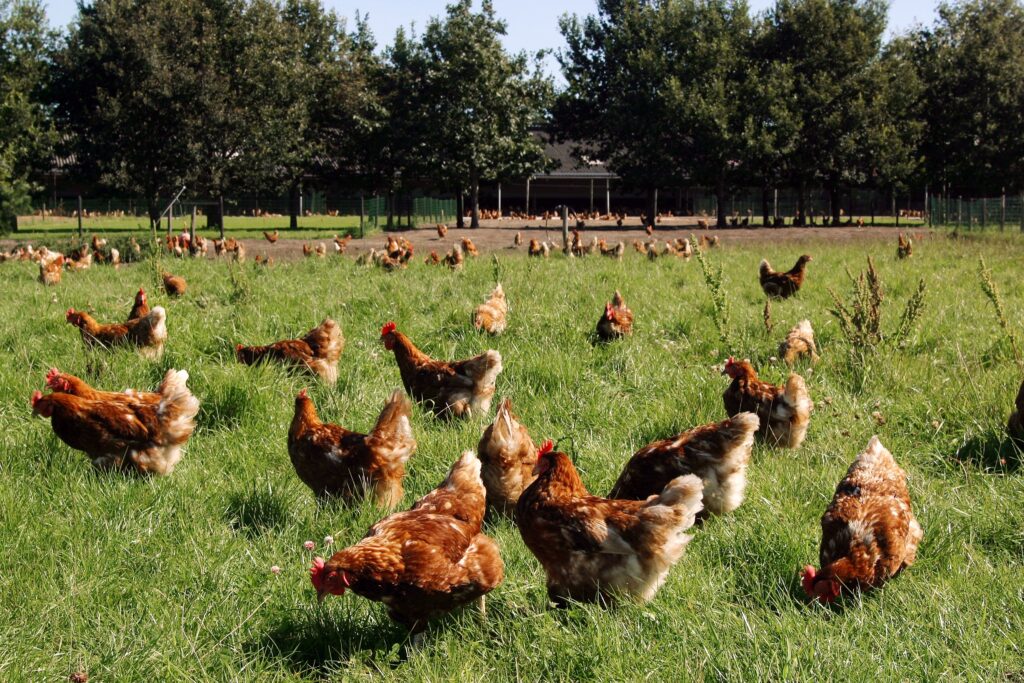
Huevos Guillén is already one of Spain’s leading egg producers. Photo credit: AlbHen/Shutterstock
Finally, some real happy news for those of us who care about where our food comes from and, more importantly, how the animals behind it are treated. We cannot change every farming practice overnight, but when one of Spain’s biggest egg producers commits hundreds of millions of euros to moving away from cages, it is a change worth celebrating.
Huevos Guillén, a major supplier of eggs to Mercadona, has announced a €200 million investment over the next four years, with the ultimate aim of producing its eggs entirely through cage-free systems. The company says the investment will help it reach 10 million laying hens by the end of 2030.
Millions of hens set for a different life
For the hens, the change is about far more than what is printed on the supermarket shelf. Cage-free systems allow laying hens to move around within their housing rather than being confined to conventional cages. Depending on the system, hens can walk, perch and interact with other birds in a much less restrictive environment. Huevos Guillén says 80 per cent of its 6.13 million hens will be housed in cage-free systems by the end of 2026. That compares with 73 per cent in 2025 and 60 per cent in 2024, showing how quickly the company is increasing its alternative production.
The producer expects to be close to 100 million dozen cage-free eggs this year, an increase of 28.6 per cent. Around 93 per cent of that production is destined for Mercadona, meaning the change will reach a huge number of shoppers across Spain. And there is an even bigger target ahead, Huevos Guillén has set 2028 as its target for all of its fresh eggs sold to consumers to come from cage-free systems, although it stresses that this depends on administrative permits being granted according to the expected timetable.
New farms designed for cage-free production
Part of the investment will go towards creating new facilities specifically designed around alternative production systems. One of the most significant is a €14.5 million free-range farm in Ribera del Fresno, Badajoz, which will eventually have capacity for 320,000 hens. The farm will consist of eight laying sheds and five production areas, with the hens able to move freely between the buildings and designated outdoor areas. The planned outdoor space provides a minimum of four square metres per hen.
At full capacity, the farm is expected to produce almost 97 million eggs a year. Its development was given environmental approval by the Junta de Extremadura earlier this year, followed by planning compatibility approval from the Ribera del Fresno town hall. The company is also expanding its cage-free operations elsewhere in Spain, adding capacity as it works towards its longer-term target.
A major change for supermarket shoppers
For people who deliberately check egg packaging before putting it in their trolley, this investment could make choosing higher-welfare options considerably easier. Huevos Guillén is already one of Spain’s leading egg producers and says its farms are certified for animal welfare under the AENOR Welfair Quality system. Its stated aim is now to move its entire egg production to cage-free systems.
The €200 million programme is also not the company’s first major investment in changing its production model. Huevos Guillén says it has already carried out projects worth almost €216 million over the past decade, with the move towards cage-free production forming an important part of that investment.
Cage-free eggs are becoming easier to find
The Spanish egg industry is moving in the same direction. In April, the sector organisation Inprovo said cage-free systems had increased by more than 10 per cent over the previous year, with alternative systems accounting for around 40 per cent of production. But this particular announcement is significant because of the sheer scale of the operation.
If Huevos Guillén reaches its targets, millions of hens will no longer be kept in conventional cages, while the producer supplying a huge proportion of its cage-free eggs to Mercadona moves towards an entirely cage-free future. For consumers, that means something simple but important: the next time you reach for a carton of eggs, there is a much better chance that the hens behind them have had more space, greater freedom of movement and a less restrictive life. After so much bad news about animal welfare, that really is something worth being happy about.
Follow Euro Weekly News on Google News
Get breaking news from Spain, travel updates, and expat stories directly on your Google News feed.
Follow on Google NewsSign up for personalised news
Subscribe to our Euro Weekly News alerts to get the latest stories into your inbox!
By signing up, you will create a Euro Weekly News account if you don't already have one. Review our Privacy Policy for more information about our privacy practices.




Molly Grace
Molly is a British journalist and author who has lived in Spain for over 25 years. With a background in animal welfare, equestrian science, and veterinary nursing, she brings curiosity, humour, and a sharp investigative eye to her work. At Euro Weekly News, Molly explores the intersections of nature, culture, and community - drawing on her deep local knowledge and passion for stories that reflect life in Spain from the ground up.
Comments