Lidl’s German ‘big brother’ arrives in Spain with millions of products to challenge Amazon
By Molly Grace • Published: 13 Sep 2026 • 21:46 • 3 minutes read
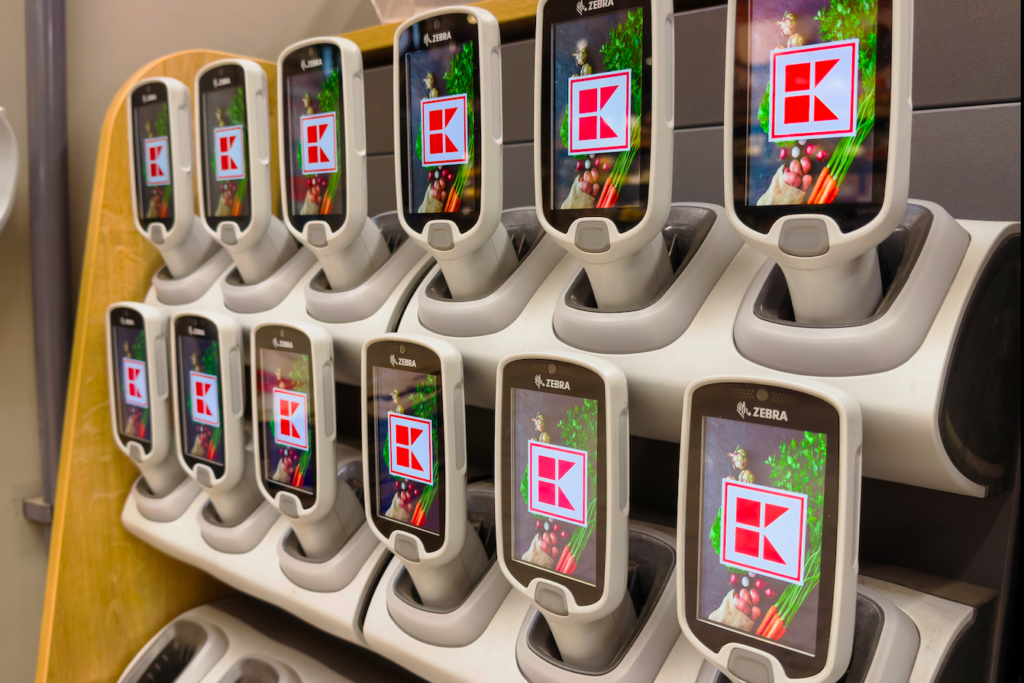
The immediate impact will be more competition in online shopping. Photo credit: Katarzyna Ledwon/Shutterstock
Spanish shoppers are about to get another major online retailer to compare before handing over their money, with millions of products, thousands of categories and another big European name entering an already crowded market.
For anyone who regularly checks several websites before buying electronics, furniture, clothes, garden equipment or household goods, the arrival could mean more choice and another opportunity to find a better price. The Spanish launch is initially an online marketplace, with hopes of a physical store in the near future.
What is actually coming to Spain?
The company behind the move is Kaufland, the German supermarket giant owned by the Schwarz Group, which also owns Lidl. With their online marketplace customers will be able to shop from third-party sellers across more than 6,400 product categories. The range includes electronics, fashion, home and household products, gardening, DIY, sports equipment and other non-food goods.
Sellers list their own products and fulfil orders directly, while Kaufland handles the marketplace, payment processing and customer service. That makes the Spanish operation much closer to Amazon or AliExpress than a conventional supermarket website. Kaufland is also explicitly positioning the marketplace as a European alternative to the major international e-commerce platforms, rather than simply another place to buy groceries.
How big is it?
This is not a small retailer testing the Spanish market with a few hundred products. In Germany, Kaufland’s marketplace has more than 15,000 international sellers offering over 45 million products, attracting up to 32 million visitors every month. Spain and the Netherlands are being added to its marketplace network, taking the number of European markets to nine and giving sellers potential access to around 220 million online consumers.
The platform has already expanded beyond countries where Kaufland has physical supermarkets. France, Italy and Austria are among the markets where its online operation has been able to grow without a physical Kaufland store network. That is particularly relevant to Spain because shoppers should not expect to see a Kaufland supermarket suddenly appear in their town as a result of this launch.
Will it actually be cheaper?
This is the question most Spanish shoppers will want answered, but there is no honest blanket answer. Kaufland is a marketplace made up of independent sellers, so there is no single Kaufland price for a product in the way there is for a packet of coffee or a bottle of olive oil at a supermarket. Different sellers can offer the same product at different prices, and delivery costs also need to be taken into account.
The attraction for consumers is therefore the ability to compare another large marketplace against Amazon, AliExpress, Temu and specialist retailers. Kaufland’s scale could also put pressure on sellers to remain competitive. The company provides marketplace tools that allow sellers to monitor prices and compare their offers with competitors. But shoppers should still compare the final price, including delivery, rather than assuming that a product is automatically cheaper simply because it is being sold through Kaufland.
Why has Kaufland become so popular?
The company already has considerable retail muscle behind it. Kaufland operates more than 1,600 physical stores across Europe, making its online marketplace an extension of an established supermarket business rather than a new internet company trying to build a customer base from scratch.
Its online sales have also been growing rapidly in some of its newer markets. Marketplace revenue in Austria increased by 439 per cent last year, while Poland recorded growth of 322 per cent, according to figures reported by the company. Electronics are particularly popular in Germany, with desktop computer sales up around 60 per cent year-on-year, laptops up 32 per cent and mobile phone sales almost 30 per cent. Health and personal care products also recorded strong growth.
What could change for Spanish buyers?
The immediate impact is more competition in online shopping. Spanish consumers will have another large European marketplace to check alongside the established names, while Spanish businesses will gain another route into customers at home and across other European markets. Kaufland says more than 500 Spanish sellers are already active on its marketplaces elsewhere in Europe, meaning the Spanish launch could work both ways: bringing international products to Spanish consumers while helping Spanish companies sell abroad.
For shoppers, however, the real test will come down to something much simpler, whether Kaufland can regularly offer products, prices and delivery options good enough to make people check it before clicking “buy” somewhere else. Its arrival does not mean Amazon, AliExpress or Spain’s existing retailers suddenly have a new supermarket competitor on every high street. It means Spanish shoppers now have another very large online shop to compare before spending their money
Follow Euro Weekly News on Google News
Get breaking news from Spain, travel updates, and expat stories directly on your Google News feed.
Follow on Google NewsSign up for personalised news
Subscribe to our Euro Weekly News alerts to get the latest stories into your inbox!
By signing up, you will create a Euro Weekly News account if you don't already have one. Review our Privacy Policy for more information about our privacy practices.




Molly Grace
Molly is a British journalist and author who has lived in Spain for over 25 years. With a background in animal welfare, equestrian science, and veterinary nursing, she brings curiosity, humour, and a sharp investigative eye to her work. At Euro Weekly News, Molly explores the intersections of nature, culture, and community - drawing on her deep local knowledge and passion for stories that reflect life in Spain from the ground up.
Comments