Challenging a Will on grounds of incapacity. What families should know. Case win.
By Carlos Baos (Lawyer) • Published: 16 Sep 2026 • 15:58 • 2 minutes read
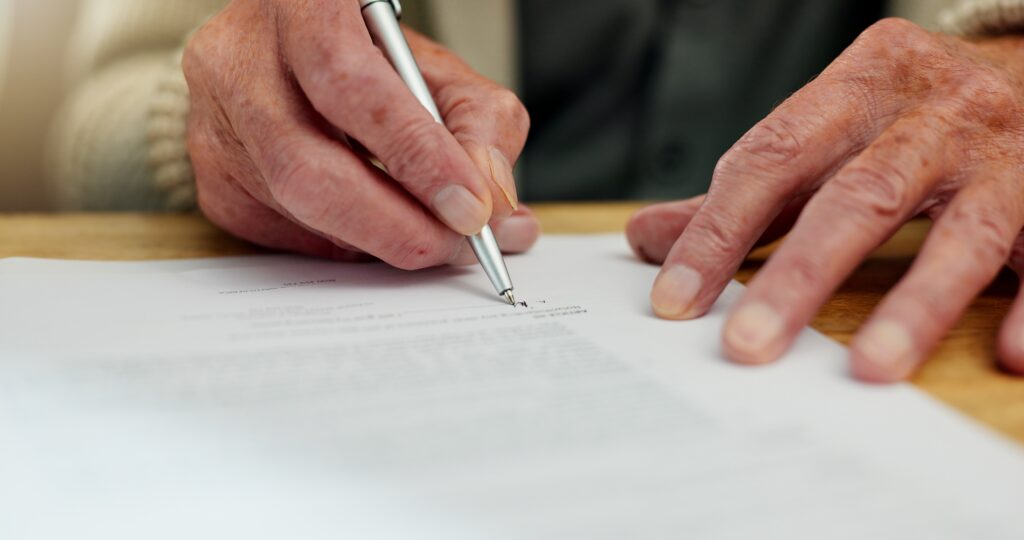
Every person is presumed to be of sound mind, unless proven otherwise. Credit: PeopleImages/Shutterstock
It is one of those moments that catches families off guard. A relative passes away, the will is read out, and suddenly not everyone finds themselves where they expected to be. For some, the instinctive reaction is to assume something must have been wrong. That the person who signed it surely was not thinking clearly. But proving that in court is another matter entirely.
Our law firm recently handled a case along these lines. A woman had left her estate to one of her nieces, the relative she had grown closest to in her final years. Other family members, who had featured differently in a previous will, argued that she had not been of sound mind when she signed the final version. It is an understandable instinct. When a will surprises us, it is tempting to look for an explanation. But Spanish law sets a high bar for turning that suspicion into a successful legal challenge.
What our readers need to understand is that the starting point is a presumption. Everyone is assumed capable of deciding what happens to their own estate, and a Notary’s involvement in the signing carries real weight. Overturning that presumption takes more than a general impression that someone “was not quite themselves.” Courts want to know, specifically, what the person’s mental state was like around the moment they signed. Not months before. Not months after.
That distinction mattered a great deal in our case. A cognitive assessment taken shortly before the will was signed showed only a mild impairment. It was only weeks later that a more serious diagnosis followed, along with a rapid decline in health. The court accepted that this kind of illness can stay mild for some time before worsening suddenly, meaning the calmer period beforehand did not necessarily coincide with any loss of capacity. On top of that, so much time had passed since the death that the claim itself had run out of time to be brought at all. The full judgment in available in our website.
For families weighing something similar, the lesson probably is not to abandon a genuine concern. It is to understand, early on, whether the timing and the evidence support it. At White-Baos Lawyers, we have represented both sides of disputes like this one. Those defending a will, and those questioning one. If you find yourself in either position, reach out to us, today.
You may be interested in the following services and articles:
Contest, Challenge or dispute a Spanish Will as per the regulation 650/2012
Contest a will for lack of capacity. New judicial success. Legal advice.
Carlos Baos (Lawyer)
White & Baos.
Tel: +34 966 426 185
E-mail: info@white-baos.com
White & Baos 2026 – All Rights Reserved.
Follow Euro Weekly News on Google News
Get breaking news from Spain, travel updates, and expat stories directly on your Google News feed.
Follow on Google NewsSign up for personalised news
Subscribe to our Euro Weekly News alerts to get the latest stories into your inbox!
By signing up, you will create a Euro Weekly News account if you don't already have one. Review our Privacy Policy for more information about our privacy practices.




Carlos Baos (Lawyer)
Lawyer Carlos Baos has been advising on variety of expat-related legal issues for years and weekly column offers free weekly insights.
Comments