Feijóo targets Spain’s rising prices with 0% food VAT and lower energy tax
By Molly Grace • Published: 24 Sep 2026 • 23:28 • 3 minutes read
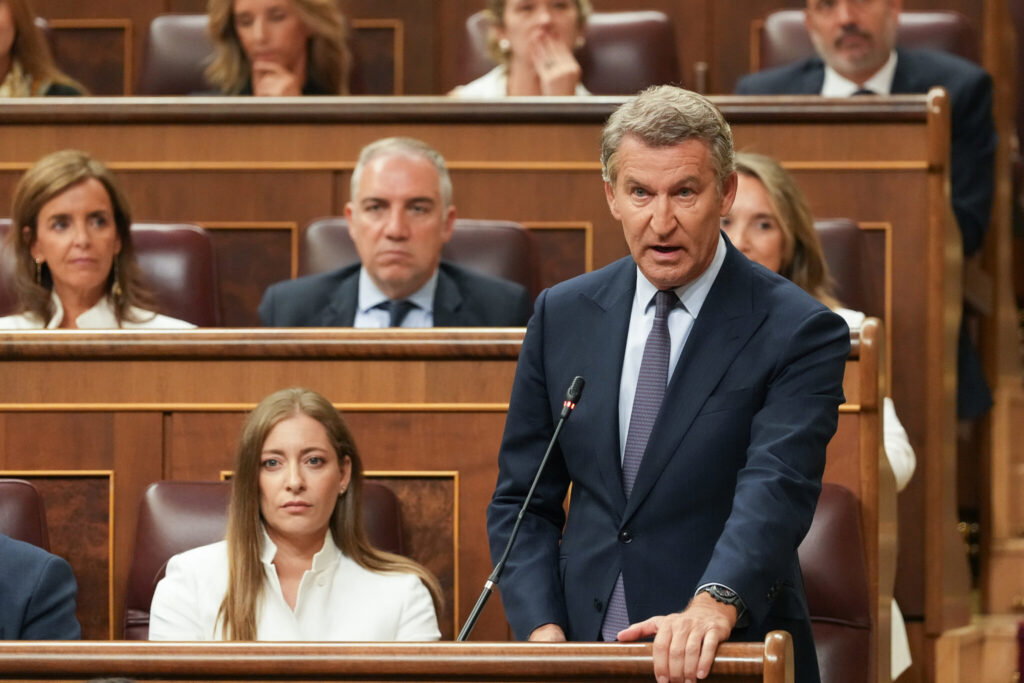
Feijóo wants VAT on energy reduced from 21% to 10% Photo credit: PP.es
If your weekly supermarket shop seems to be eating an ever-bigger chunk of your pay packet, a proposal from Spain’s opposition could make an immediate difference to what you pay at the till, at least if it becomes law. The PP wants basic food to have zero VAT, energy VAT cut from 21% to 10% and income tax bands adjusted for inflation.
The party is also proposing bigger tax deductions for families with children. None of these changes has been approved. They are proposals that the PP says it will take to Congress and the Senate for a vote.
Zero VAT on the supermarket basics
Alberto Núñez Feijóo announced the package on Thursday, September 24, during a visit to a dairy company in Alovera, Guadalajara. Under the proposal, VAT on basic foods would fall from the current 4% rate to 0%. The list includes milk, cheese, oil, eggs, fruit, vegetables, meat, fish and preserves.
For shoppers, the idea is straightforward: remove the tax from those products and reduce the amount paid at the checkout. Whether the full saving would reach consumers would depend on how businesses pass the tax reduction through to prices, so the proposal should not be read as a guaranteed reduction in every supermarket bill. The PP is presenting the measure as part of a package aimed at easing pressure on household finances as prices continue to rise.
What deflating IRPF actually means
The other proposal that could affect working households is deflating the IRPF, which means adjusting income-tax bands in line with inflation. The issue is that wages can rise simply because prices have gone up. If tax brackets remain unchanged, part of that nominal increase can push someone into a higher tax band even though their purchasing power has not actually improved. The PP wants the income-tax system adjusted to take inflation into account. The party is also proposing to double certain deductions for children, retroactively from August until the end of the year.
Under its figures, the deduction for a first child would rise from €2,400 to €4,800, while the amount for a second child would increase from €2,700 to €5,400. The proposed figures rise further for third and subsequent children. For a family with two children, the PP calculates that the measure would mean an additional €400 in savings by the end of the year. It also wants the deduction for a child under three to rise from €2,800 to €5,600. Those are the PP’s calculations, rather than guaranteed savings.
Energy tax would also be cut
Energy is another major part of the proposal. Feijóo wants VAT on energy reduced from 21% to 10%, covering the cost pressures affecting electricity, gas and fuels. The proposal comes after the government’s previous tax reductions on fuel and electricity ended on July 1, with those measures replaced by direct discounts on petrol that have since been reduced.
Energy prices have remained a concern going into the autumn. Recent reporting has also pointed to renewed pressure from higher gas and energy costs, with the government looking at ways to contain the impact on households and businesses.
Farmers, autónomos and businesses
The PP package is not limited to household taxes. Feijóo is also proposing lower costs for farmers through changes affecting fertiliser and fuel expenses, alongside measures intended to reduce production costs.
The party wants progress on the European measure to remove VAT obligations for autónomos with annual turnover below €85,000 and is calling for fewer bureaucratic requirements for businesses. The PP says unnecessary administrative procedures add costs which can ultimately feed into prices.
What happens next?
The proposals now face the political process rather than automatically becoming changes to Spanish tax law. The PP says it will take the package to both Congress and the Senate for debate and voting. The Senate has a PP majority, while approval in Congress would depend on the parliamentary numbers there. For households, that means there is nothing to change on a supermarket bill or tax return just yet.
If the measures eventually pass, however, the potential changes would reach several everyday expenses at once: the food shop, energy bills and income tax, with additional relief proposed for families with children. For anyone already watching every euro at the checkout, that is the part worth keeping an eye on.
Follow Euro Weekly News on Google News
Get breaking news from Spain, travel updates, and expat stories directly on your Google News feed.
Follow on Google NewsSign up for personalised news
Subscribe to our Euro Weekly News alerts to get the latest stories into your inbox!
By signing up, you will create a Euro Weekly News account if you don't already have one. Review our Privacy Policy for more information about our privacy practices.


Molly Grace
Molly is a British journalist and author who has lived in Spain for over 25 years. With a background in animal welfare, equestrian science, and veterinary nursing, she brings curiosity, humour, and a sharp investigative eye to her work. At Euro Weekly News, Molly explores the intersections of nature, culture, and community - drawing on her deep local knowledge and passion for stories that reflect life in Spain from the ground up.
Comments