Residents in Spain could get up to €18,000 to adapt their bathroom: here’s who qualifies
By Harry Dennis • Published: 24 Sep 2026 • 14:49 • 2 minutes read
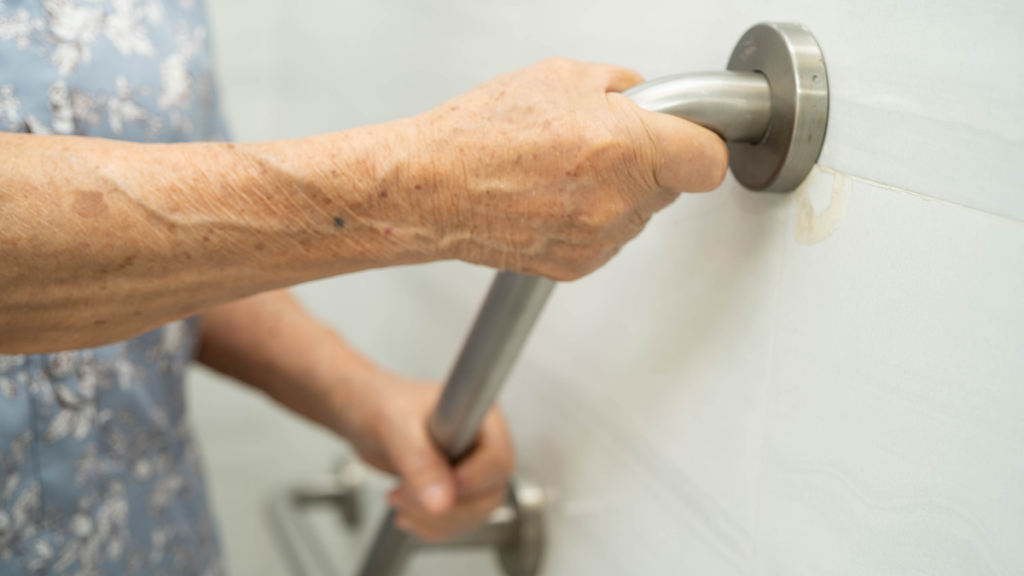
Turning your bath into a walk-in shower? Spain could cover 80 per cent of the bill. Credit: sweet_tomato / Shutterstock
A cramped bathroom can be the single hardest room in the house for a disabled relative to use safely, and Spain says it’ll help cover the cost of changing it, but residents must first find out whether their own region has actually opened its doors to claim it yet.
The €18,000 figure is five months old
The figure comes from the government’s State Housing Plan (Plan Estatal de Vivienda) 2026-2030, approved by the Council of Ministers in April, and published in Spain’s official gazette (BOE). The specific accessibility provision buried inside that wider plan is only now getting proper attention, while the same plan also covers ordinary renovations and energy upgrades, rural housing incentives and grants of up to €35,000 for empty homes turned into long-term rentals.
What counts as accessibility work
Homeowners can claim up to 80 per cent of the eligible cost of work that genuinely improves safety and independence inside the home. That includes turning a standard bath into a walk-in or roll-in shower, widening doorways and hallways, fitting ramps, grab rails and non-slip flooring, and adapting kitchens or bedrooms for someone with limited mobility.
An ordinary bathroom makeover, however, doesn’t qualify just because it happens to include a new shower. A technical professional (an architect or aparejador, Spain’s version of a building surveyor) has to certify that the work meets the country’s Building Technical Code accessibility rules before any money actually changes hands.
Your disability level decides the grant size
The size of the grant depends on the household. Where a resident has a recognised disability of 33 per cent or more, the cap sits at €15,000. Where that disability is 65 per cent or above, it rises to €18,000, still worth up to 80 per cent of the total bill.
The home generally has to predate 2006 and be the applicant’s habitual residence, verified against the padrón (the local town hall register of who lives where), though individual regions can be more flexible on the building’s age. It comes alongside other disability-linked support Spain has approved this year, including a wider overhaul of dependency and home-care rules for elderly and disabled residents.
Your region decides if you can apply now
This is the part that trips people up. Central government funds 60 per cent of the plan and Spain’s 17 autonomous communities cover the rest, and it’s each region that opens, runs and closes its own call for applications.
Andalucía currently has no active call listed on the national grants database specifically for this accessibility provision, and the picture is just as patchy elsewhere. So a family in Almería reading about this grant this week can’t necessarily walk into an office just yet and apply tomorrow, however genuine their need.
Anyone thinking about adapting a bathroom for a disabled relative should get a written cost estimate and check with their region’s housing department first to see if the help is currently available.
Follow Euro Weekly News on Google News
Get breaking news from Spain, travel updates, and expat stories directly on your Google News feed.
Follow on Google NewsSign up for personalised news
Subscribe to our Euro Weekly News alerts to get the latest stories into your inbox!
By signing up, you will create a Euro Weekly News account if you don't already have one. Review our Privacy Policy for more information about our privacy practices.





Harry Dennis
Born in the UK and raised on the Cádiz coast, Harry brings his background in design, music, and photography to his writing for Euro Weekly News, sharing stories that celebrate culture and lifestyle across Spain and beyond.
Comments