Millions of VW and Audi owners face recall over possible steering failure
By Harry Dennis • Published: 26 Sep 2026 • 12:48 • 2 minutes read
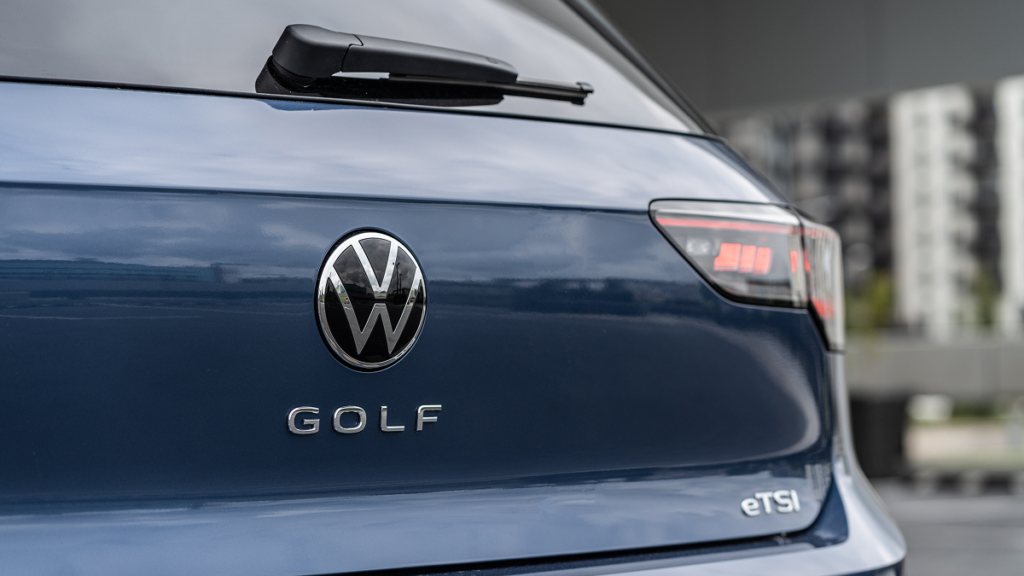
The Volkswagen Golf is one of five models included in the recall. Credit: North Monaco / Shutterstock
Drivers of one of the most common family cars on Spain’s roads are being contacted this week over a bolt no bigger than a few centimetres. Volkswagen and Audi call it precautionary, but nearly three million Golf, Tiguan, Touran, Caddy and Q3 owners worldwide are still being told to get it checked before it fails.
A corroding bolt behind one of VW’s biggest recalls in years
The problem sits at the point where the steering rack (the mechanism that turns the front wheels) bolts onto the car’s subframe (the metal frame beneath the engine bay that holds the suspension and steering in place). Volkswagen says one of the fixing bolts there can corrode over several years of exposure to road salt and general wear, weakening it until it eventually snaps.
If that happens, the driver could lose control of the steering. Audi, which found the fault first during its own internal checks, calls it a precautionary recall, with Germany’s KBA (the federal motor authority that oversees these campaigns for the VW Group) saying it isn’t aware of any crashes or injuries linked to the fault so far.
Which cars are on the recall list
Volkswagen’s side covers the Golf, Golf Variant, Tiguan, Touran and Caddy, built between September 2013 and July 2024. That’s more than 2.15 million cars worldwide, including almost 900,000 in Germany alone.
Audi’s side is smaller but just as wide-reaching: nearly 700,000 examples of the Q3, built between October 2017 and May 2024. Between the two brands, that’s around 2.86 million vehicles that are now due a check, among the best-known family cars sold in Europe over the last decade.
No crashes reported, but VW isn’t waiting to find out
Both manufacturers stress this is about prevention rather than damage already done. The replacement bolt is described as more resistant to corrosion, with fitting it taking up to an hour at any authorised workshop, free of charge.
Owners won’t need to do anything until Volkswagen or Audi writes to them directly, which happens by post once a car is confirmed on the list. Until that letter arrives, dealers can check whether a specific car is affected using its VIN (the 17-character vehicle identification number printed on the chassis, service book and insurance documents).
What it means if you’re driving one in Spain
Neither Volkswagen nor Audi has broken out how many of the affected cars are registered in Spain or the UK. Given how common the Golf and Tiguan are on Spanish roads, and how many British owners bring UK-registered cars over when they move, it’s worth checking regardless of which country the car is registered in.
The recall runs through Volkswagen and Audi’s normal dealer network, so a workshop in Spain can check a UK-plated car’s VIN just as easily as a Spanish-plated one, and the repair itself doesn’t depend on where the car happens to be registered.
So if you drive a Golf, Golf Variant, Tiguan, Touran, Caddy or Audi Q3 from the last decade, you should call your nearest dealer with the VIN ready, rather than waiting for the letter to arrive.
Follow Euro Weekly News on Google News
Get breaking news from Spain, travel updates, and expat stories directly on your Google News feed.
Follow on Google NewsSign up for personalised news
Subscribe to our Euro Weekly News alerts to get the latest stories into your inbox!
By signing up, you will create a Euro Weekly News account if you don't already have one. Review our Privacy Policy for more information about our privacy practices.




Harry Dennis
Born in the UK and raised on the Cádiz coast, Harry brings his background in design, music, and photography to his writing for Euro Weekly News, sharing stories that celebrate culture and lifestyle across Spain and beyond.
Comments