Broken down in Spain? DGT plans to step in if your insurer leaves you waiting more than an hour
By Harry Dennis • Published: 29 Sep 2026 • 10:54 • 2 minutes read
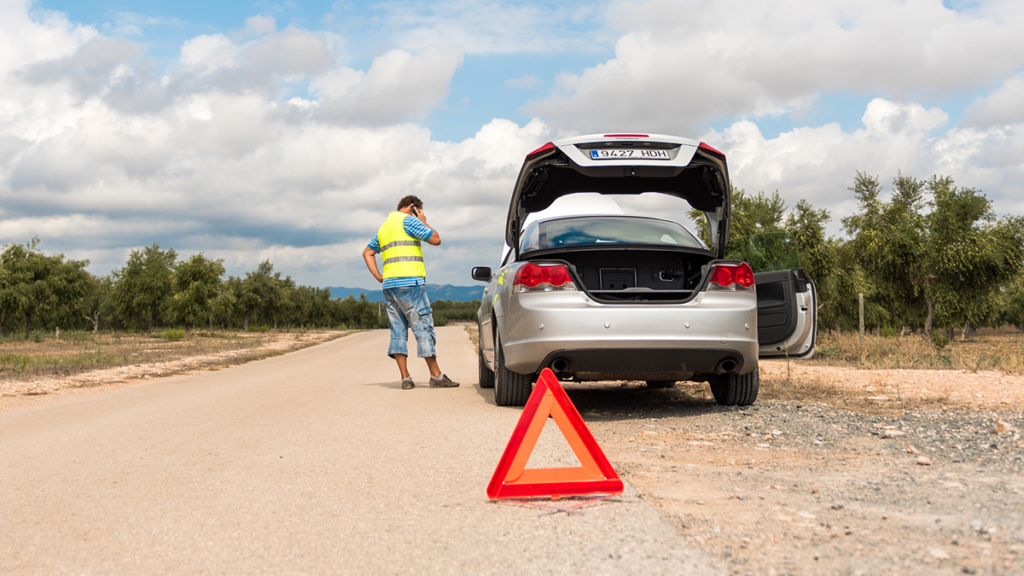
The DGT's draft plan aims to help drivers left waiting. Credit: gg-foto / Shutterstock
You’ve pulled over, rung your insurer and been told a tow truck is on its way, and then nothing happens. Now the DGT is drawing up a plan that would let Guardia Civil traffic officers call in a public backup once you’ve waited 60 minutes, although insurers and tow operators aren’t impressed.
A one-hour wait could trigger the backup
Drivers who break down on roads managed by the DGT (Spain’s traffic authority) could get help from a public platform if their insurer doesn’t respond in time. The plan is set out in a draft called Instruction MOV 2026/07, which would let the Guardia Civil’s specialist traffic police unit request a tow once an insurer has stayed silent for 60 minutes.
However, the hour isn’t the only trigger. The platform would also step in if the insurer flatly refuses the job, if its phone line or app is down, or if it simply can’t find a suitable vehicle to send.
The DGT has said it won’t have any contract or employment links with the firms taking part, and that it won’t take on any economic obligations. So it isn’t yet clear who would pay for a tow arranged this way.
Insurers say a delay isn’t always their fault
Insurers’ association Unespa has raised concerns about how a failure to respond would be decided, pointing out that providing assistance is a contractual obligation they’re already bound to meet.
Motoring clubs RACE and RACC have taken aim at the 60-minute rule itself, saying it doesn’t properly separate a genuine failure to help from a delay that’s reasonable. Critics also note that waits often run longer at peak times and when commercial vehicles are involved.
Tow operators fear two trucks turning up
Roadside assistance firms have been just as blunt. The Alianza Nacional de Auxilio en Carretera and the REAC network (a group of roadside assistance companies) have argued that roadside work is high risk, so firms should be checked for proper equipment and trained staff rather than relying on a self-declaration (a form saying they meet the rules).
They also warn that a parallel public system could send two tow trucks to the same car, one from the insurer and another from a DGT traffic control centre. Alianza spokesperson Xavier Martí said what’s needed is ‘one coordinated network with real-time information’.
There’s no launch date yet
The DGT hasn’t set a date for publishing the instruction and is still going through the objections it received. That means it’s a draft for now and not a rule drivers can rely on.
Until a final version appears, nothing changes at the roadside, so your insurer’s assistance line remains the first call to make.
Follow Euro Weekly News on Google News
Get breaking news from Spain, travel updates, and expat stories directly on your Google News feed.
Follow on Google NewsSign up for personalised news
Subscribe to our Euro Weekly News alerts to get the latest stories into your inbox!
By signing up, you will create a Euro Weekly News account if you don't already have one. Review our Privacy Policy for more information about our privacy practices.



Harry Dennis
Born in the UK and raised on the Cádiz coast, Harry brings his background in design, music, and photography to his writing for Euro Weekly News, sharing stories that celebrate culture and lifestyle across Spain and beyond.
Comments