Why Catalonia is paying hunters to save Spain’s favourite meat from a deadly virus
By Lucy Ramnought • Updated: 29 Sep 2026 • 10:41 • 2 minutes read
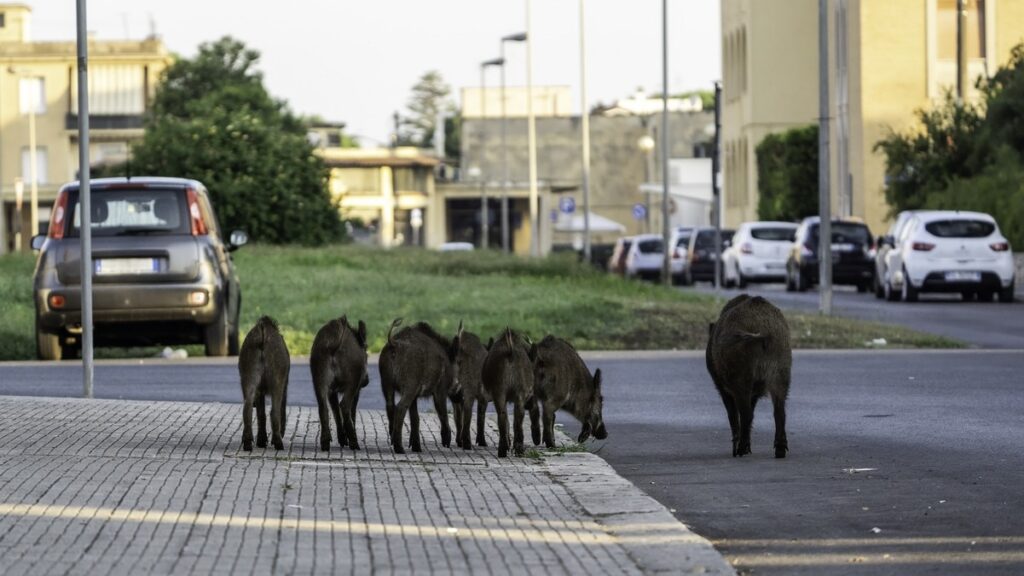
Catalan cull Credit: Davide Zanin Photography/shutterstock
Which tickles your tastebuds? Prized jamon iberico, sizzling chorizo or tender secreto? Whichever it may be, a returning nasty virus threatens Spain’s most iconic pork cuts. Now, Catalonia is paying for a cull on wild boars to save the nation’s favourite meat.
What action Catalonia is taking
Catalonia’s regional government, the Generalitat, has opened a €2.2 million call for applications to encourage the capture of wild boar. Payments reach €70 per animal in areas hit by African swine fever. Everywhere else in Catalonia, the rate is €35. Officials give three aims: cutting wild boar numbers, limiting damage to farmland, and helping prevent diseases that can affect livestock and wildlife, including bovine tuberculosis as well as ASF.
Bellaterra, near Barcelona, recorded the first case in November 2025, bringing the disease back to Spain after more than 30 years, meaning certain zones were then restricted. African swine fever does not affect humans, but it is highly lethal to pigs.
El Economista reports that 11,576 wild boar have been tested since the first positive result, and 379 came back positive. Some 11,011 animals have been culled inside the restricted zone and another 26,587 elsewhere in Catalonia. Wild boars are not a new issues, they were a headache long before the virus arrived. Growing numbers have damaged crops, caused road accidents and wander into towns.
Where the money goes under the new plan
Most of the budget, €1.56 million, pays for captures. The rest helps get the usable meat to market:
– €140,000 for transport to authorised collection points
– €138,000 for receiving and preparing carcasses
– €42,000 for disposing of SANDACH waste (animal by-products not intended for human consumption)
Payments of €5 per animal cover delivery to an authorised point, with centres that prepare the carcasses receiving €10 per piece. The idea is that usable meat enters the legal food chain instead of going to waste.
Support for hunting clubs
Non-profit hunting societies are the region’s main system of population control, with health restrictions making their work much harder. A separate €320,000 is reserved for them, with up to €10,000 per club covering up to 100% of eligible costs such as rent, utilities and vets’ bills for hunting dogs. Owners of hunting grounds and managers of game-meat collection points can apply too.
Some details are still being debated. Catalan newspaper Segre reported a minimum of 40 captures to qualify for the €70 and €35 payments. It also quoted a hunting representative who called the €5 transport payment almost laughable.
Funding has roughly doubled from the €1.07 million granted in 2025. Last year’s applications listed between 30,544 and 37,131 animals across three aid lines, which gives you a sense of scale.
Follow Euro Weekly News on Google News
Get breaking news from Spain, travel updates, and expat stories directly on your Google News feed.
Follow on Google NewsSign up for personalised news
Subscribe to our Euro Weekly News alerts to get the latest stories into your inbox!
By signing up, you will create a Euro Weekly News account if you don't already have one. Review our Privacy Policy for more information about our privacy practices.



Lucy Ramnought
Lucy Ramnought is a local news writer and mother of 4 from the UK who has lived in the Costa Del Sol for just over 4 years. With a background in content writing and social media for various companies, and with vast experience in PA and project management, Lucy is committed to producing accurate, engaging and reliable stories to her work at Euro Weekly News.
Comments