Flying to the Middle East or Asia? Europe tells airlines to avoid parts of Saudi skies
By Harry Dennis • Published: 01 Oct 2026 • 17:17 • 2 minutes read
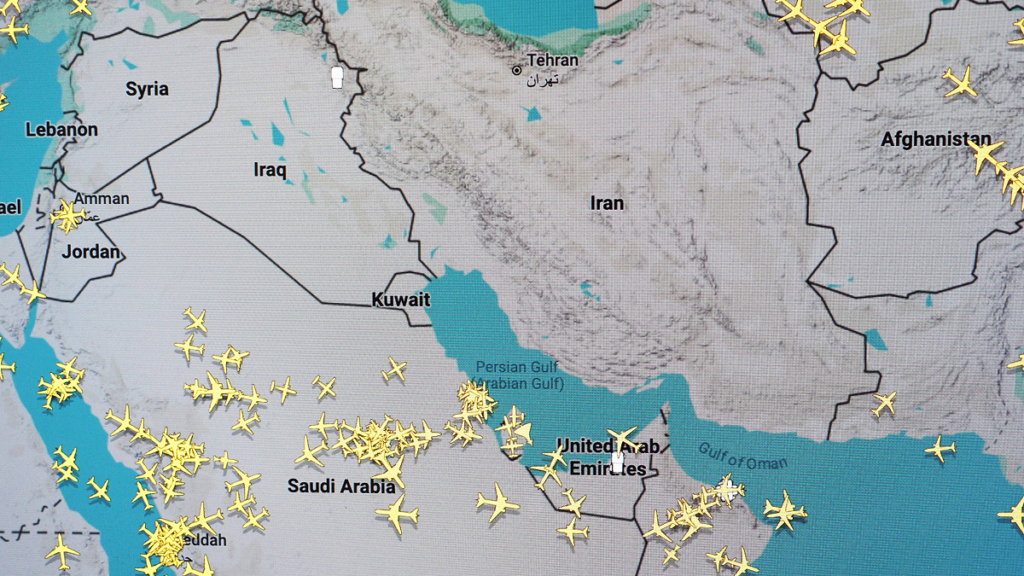
Flights over the Middle East are increasingly steering clear of conflict-hit airspace. Credit: IgorGolovniov / Shutterstock
The route many travellers take across the middle east could be about to change after Europe’s air safety agency has told airlines to keep clear of parts of Saudi Arabia’s airspace, which may mean longer journeys for passengers heading east.
Why European airlines are being told to steer clear
The European Union Aviation Safety Agency (EASA) issued the advice on Wednesday September 30, and it runs until at least Monday November 16. It covers parts of the Jeddah Flight Information Region, the stretch of sky managed by air traffic controllers in western Saudi Arabia.
The reason is a rise in Houthi missile and drone attacks on targets deep inside Saudi Arabia. EASA said the dangers for aircraft include civil planes being mistaken for threats, missiles and drones passing overhead, interception activity and falling debris.
Now, it’s important to know this is guidance rather than a legal closure of the airspace. It applies to EU-regulated airlines and others operating under EASA approval, so some non-European carriers may keep flying the same routes.
Why the map keeps shrinking for flights heading east
This isn’t the first warning of its kind. EASA already tells airlines to avoid the airspace of Bahrain, Kuwait, Qatar, the UAE and Oman, and has extended its advice on Jordan, Lebanon, Iran and Iraq until the same November date.
Some European airlines have been using southern routes over Saudi Arabia to skirt the central Gulf, which is why the latest advice matters. However, it’s not yet clear which airlines will change their routes, or by how much.
Earlier detours around the Gulf have added an hour or more to some flights between Europe and Asia, so longer journeys and changed schedules are possible.
Some airlines had already pulled back before this week. As of mid-September, KLM had suspended flights to Dubai, Riyadh and Dammam until October 24, while British Airways was offering rebooking or refunds on some Gulf routes through October 31.
The advice also comes a day after a flydubai flight from Dubai to Tel Aviv made an emergency landing at Tabuk in Saudi Arabia after a violent incident in the cockpit. Israeli authorities are investigating the first officer on suspicion of trying to crash the plane, and flydubai has suspended its Israel flights while the incident is looked into.
What you’re entitled to if your flight is cancelled
If an airline cancels your flight, EU passenger rights rules and its UK equivalent give you the choice of a refund or being rerouted. However, airlines can point to conflict as ‘extraordinary circumstances’, which usually means no extra compensation on top.
That’s why it pays to act early. If you’re booked on a flight to the Middle East or Asia before mid-November, check the latest status with your airline rather than relying on a booking site, and allow extra time on any connection. Keep checking right up until you leave for the airport.
Follow Euro Weekly News on Google News
Get breaking news from Spain, travel updates, and expat stories directly on your Google News feed.
Follow on Google NewsSign up for personalised news
Subscribe to our Euro Weekly News alerts to get the latest stories into your inbox!
By signing up, you will create a Euro Weekly News account if you don't already have one. Review our Privacy Policy for more information about our privacy practices.




Harry Dennis
Born in the UK and raised on the Cádiz coast, Harry brings his background in design, music, and photography to his writing for Euro Weekly News, sharing stories that celebrate culture and lifestyle across Spain and beyond.
Comments