Brits flying home from Spain this winter could end up paying for airlines’ fuel bill
By Harry Dennis • Published: 06 Oct 2026 • 12:03 • 2 minutes read
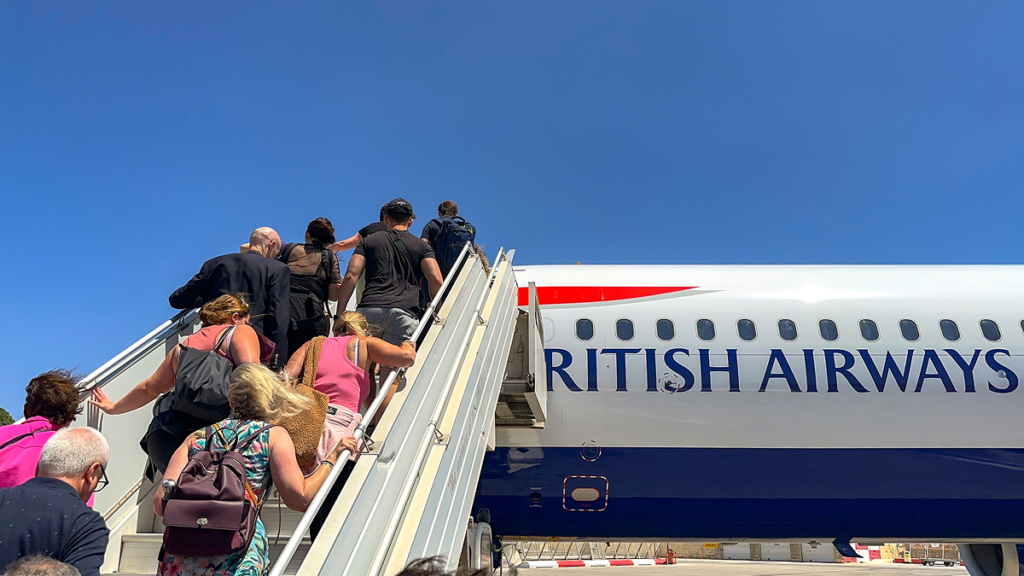
Fuel costs are putting pressure on winter flight prices. Credit: Ceri Breeze / Shutterstock
Many of us find a bargain winter flight home from Spain and then continue wondering, if we’d just held on a little longer, would it have gotten cheaper? Well, the fuel protection holding airline prices down is shrinking, and the owner of British Airways and Iberia says it’s clawing back around 60 per cent of the extra cost.
Winter bargains are on sale right now
Airlines including Ryanair, easyJet, Vueling and Iberia have launched autumn and winter sales on UK and Spain routes, with one-way fares starting from £14.99 or €16 on selected dates. So it’s tempting to think ‘prices must be heading down, I’ll wait a little longer’. However, those deals are there to fill seats in the quietest months of the year, and they’re sitting alongside a much tougher story on the cost side.
The fuel cushion gets thinner next year
Airlines usually buy a big chunk of their fuel months in advance at a fixed price, known as hedging, so a sudden jump in oil doesn’t hit them overnight. International Airlines Group (IAG), which owns British Airways, Iberia, Vueling and Aer Lingus, told investors in July it was around 70 per cent hedged for the rest of 2026, but only around 40 per cent for 2027. Winter runs into early 2027, and the further ahead airlines look, the less protection they have.
Even with those hedges in place, IAG’s fuel and emissions bill rose by €433 million, or 12.3 per cent, to €3.96 billion in the first half of the year. It’s pencilled in a full-year fuel bill of between €8.3 billion and €8.6 billion, depending on which fuel price forecast is used.
IAG expects to win back around 60 per cent
The group said it expects to recover around 60 per cent of the increase through higher revenue and cost savings. That’s a mix of fares and savings elsewhere, rather than ticket prices alone.
Short-haul flying within Europe, the market most Brits use to get to and from Spain, is the tougher one. IAG said competition there remains fierce because rivals have added a lot of seats, which limited its ability to raise prices. That helps explain why fares haven’t jumped across the board, though IAG’s airlines did say in April they’d adjust fares on new bookings.
Fewer seats can mean fewer cheap ones
IAG also said it will keep reviewing winter capacity “to protect profitability”, and Ryanair has trimmed its own winter flying as part of its warning over fares for 2027.
Earlier this year, higher fuel costs had already left passengers at some smaller airports with fewer direct options and more journeys routed through Madrid and Barcelona.
That doesn’t mean winter fares are about to rise drastically though. No airline has announced a winter increase directly, and the sales are on right now. However, fewer seats on the same routes can leave less room for the cheapest tickets, particularly around busy dates.
Flexible dates are your best protection
The best value in the current sales tends to sit on flexible midweek dates, while some November and December fares start higher than the autumn ones.
So if you’ve found a fare that suits your dates, it’s worth booking it rather than holding out for something cheaper. And if you can move your trip by a day or two, midweek is where the bargains tend to be.
Follow Euro Weekly News on Google News
Get breaking news from Spain, travel updates, and expat stories directly on your Google News feed.
Follow on Google NewsSign up for personalised news
Subscribe to our Euro Weekly News alerts to get the latest stories into your inbox!
By signing up, you will create a Euro Weekly News account if you don't already have one. Review our Privacy Policy for more information about our privacy practices.





Harry Dennis
Born in the UK and raised on the Cádiz coast, Harry brings his background in design, music, and photography to his writing for Euro Weekly News, sharing stories that celebrate culture and lifestyle across Spain and beyond.
Comments