Spain airport shock as airlines cut flights before summer rush
By Farah Mokrani • Updated: 28 Apr 2026 • 16:41 • 3 minutes read
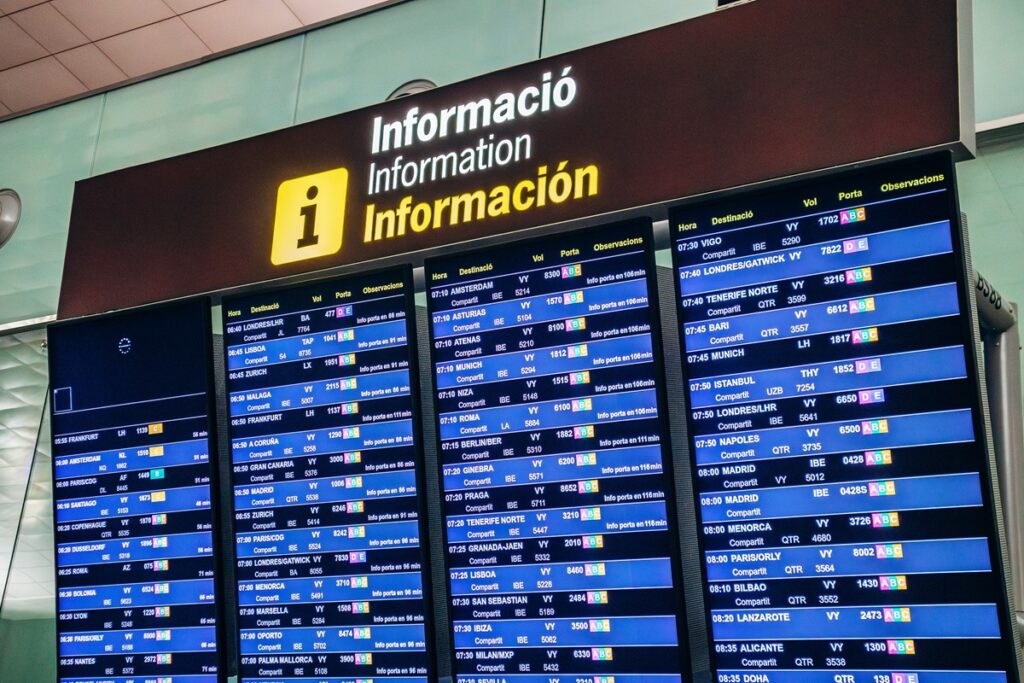
Smaller Spain airports face flight cuts as airlines trim routes Credit : Andrei Antipov, Shutterstock
Travellers heading to Spain this summer could see fewer flights to smaller airports as airlines review routes with lower profits amid rising fuel costs. While overall seat capacity for the season is still up, several carriers are trimming or freezing services where margins are tight, meaning regional airports may feel the pressure first.
For passengers, that could mean fewer direct options, higher fares and more journeys routed through larger hubs such as Madrid and Barcelona.
The busiest holiday airports are expected to remain strong, but some secondary destinations may lose connections as airlines protect the routes that make them the most money.
Why airlines are changing summer schedules
Fuel is one of the biggest costs for any airline. When prices rise sharply, carriers often look first at routes where earnings are weaker. That usually means smaller airports, seasonal connections or services with heavy competition.
Industry sources in Spain say airlines are focused on efficiency while uncertainty continues around jet fuel prices.
That does not necessarily mean mass cancellations on flights already on sale. More often, the first move is to reduce future capacity, slow expansion plans or shift aircraft onto stronger routes.
For passengers, the result can still be noticeable. Less choice often means higher prices.
Ryanair cuts seats at several Spanish airports
The clearest example so far has come from Ryanair, Spain’s largest operator by passenger numbers. The airline has announced another 1.2 million seat reduction at regional airports, adding to earlier cuts made over the past year and a half.
It has already ended operations at some locations and reduced services at others.
Reports indicate that Asturias, Valladolid, Jerez, Tenerife Norte and Vigo have been among the airports affected, while routes involving Santiago, Zaragoza and Santander have also seen reductions.
Ryanair has publicly linked the decisions to airport charges, but it has also acknowledged the wider pressure fuel costs place on pricing and demand.
In simple terms, when operating costs rise, weaker routes become harder to justify.
Other airlines are also being cautious
This is not only about one airline. Across Europe, carriers are watching costs closely and adjusting where necessary.
Spanish reports say Vueling has paused growth on some connections rather than increasing frequencies as originally planned. One example mentioned was the route between Barcelona and Istanbul, where expansion plans have reportedly been put on hold for now.
Elsewhere in Europe, Lufthansa has already announced significant schedule cuts, saying aircraft and fuel would be better used on routes with stronger returns.
Meanwhile, Iberia and Air Europa have indicated they are currently maintaining planned operations. That may reassure travellers, but the wider industry mood remains cautious.
Why Madrid, Barcelona and Alicante look safer
When pressure builds, airlines usually protect airports that generate the highest demand.
That is why major hubs such as Madrid Barajas and Barcelona El Prat are expected to keep growing this summer.
According to sector estimates, seat supply at Madrid and Barcelona is rising, while Alicante Elche Miguel Hernández Airport is also forecast to see a healthy increase.
For Costa Blanca travellers, that is an important point. Alicante remains one of Spain’s strongest leisure gateways, with consistent demand from British, Dutch, Belgian and Scandinavian markets.
Busy holiday airports with proven traffic are generally in a better position than smaller regional bases.
What this means for passengers
If you are flying to Spain this summer, especially to a smaller airport, it is worth keeping an eye on your booking.
Even where flights are not cancelled, schedule changes can happen. Departure times may shift. Aircraft may be changed. Direct routes may become less frequent in future booking windows.
For anyone who has not booked yet, flexibility could help. Sometimes flying into a larger airport and taking a train or hire car onward can be cheaper and easier than waiting for a limited regional service. That may not be ideal, but it can open more options.
Could ticket prices rise further
Quite possibly. Airline bosses across Europe have warned that higher fuel costs are difficult to absorb forever. Some of that expense is often passed to passengers through fares, baggage charges or fewer promotional deals.
That does not mean every ticket will suddenly become expensive. Low fares will still appear, particularly if demand softens on certain dates.
But last minute summer bargains may be harder to find than in calmer years.
Should holidaymakers be worried
Concerned, perhaps. Panicked, no. Millions of people will still travel to Spain this summer and the vast majority of flights will operate normally.
What is changing is the margin for weaker routes. Airlines are being more selective about where they place aircraft and where they see value. That means the strongest destinations are likely to stay well connected, while smaller airports may need to fight harder for services.
For travellers, the smart move is simple. Book early if you know your plans. Check your flight regularly. And if you rely on a small regional airport, have a backup option in mind. Because this summer, not every route will be treated equally.
Sign up for personalised news
Subscribe to our Euro Weekly News alerts to get the latest stories into your inbox!
By signing up, you will create a Euro Weekly News account if you don't already have one. Review our Privacy Policy for more information about our privacy practices.





Farah Mokrani
Farah is a journalist and content writer with over a decade of experience in both digital and print media. Originally from Tunisia and now based in Spain, she has covered current affairs, investigative reports, and long-form features for a range of international publications. At Euro Weekly News, Farah brings a global perspective to her reporting, contributing news and analysis informed by her editorial background and passion for clear, accurate storytelling.
Comments