Neighbours in Spain lose a key weapon for stopping illegal building work
By Harry Dennis • Published: 07 Oct 2026 • 12:36 • 3 minutes read
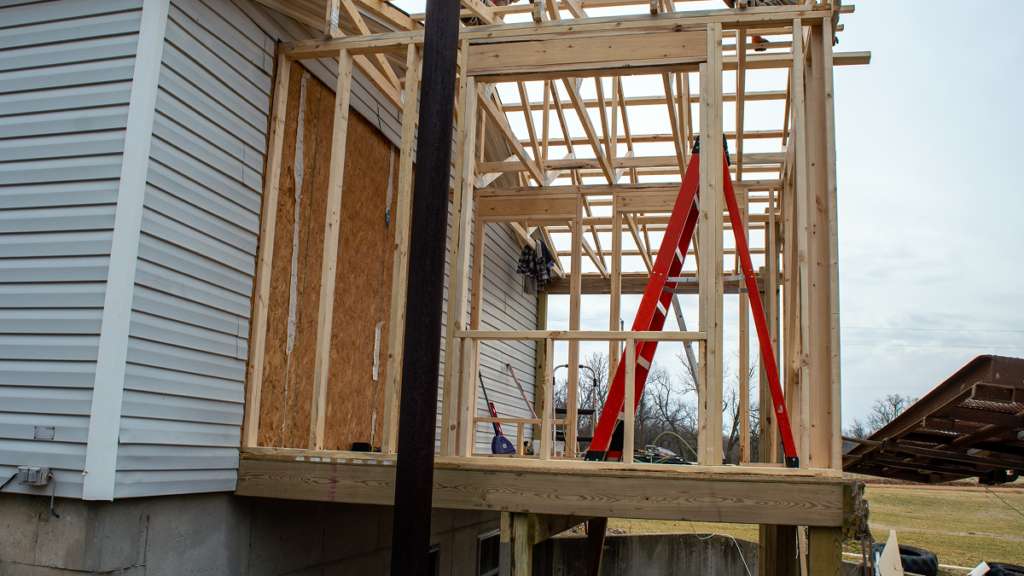
Many building works now start without a council decision for neighbours to challenge. Credit: Picunique / Shutterstock
You wake up to machinery next door, check with the town hall and find there’s no licence, no file and absolutely nothing to object to. It’s a situation many residents in Spain can find themselves in. Now Spain’s Supreme Court has confirmed that’s often how it works, and it leaves neighbours with a route that can take months to reach a solution.
The notice that replaced the licence
Not so long ago, a neighbour or community of owners (comunidad de propietarios) who spotted dodgy building work next door could look at the licence file at the town hall, read the project and object before or during the work.
Now, though, many works start with a declaración responsable (a sworn statement from the owner or builder that they meet the legal requirements) and no council decision at all, with checks only coming afterwards. So there’s often no file to join and no decision to challenge, and neighbours tend to find out when the machines are already running, according to a legal analysis published this week.
Exactly which works can start this way depends on the town hall and the region, so it’s worth checking locally before assuming a full licence is needed, or that it isn’t.
The Supreme Court says there’s nothing to appeal
The Supreme Court ruled on April 20 that a declaración responsable isn’t an administrative act (an official decision by the council), which means it can’t be challenged through the council or the courts. The town hall simply receives it and doesn’t approve or reject anything. That judgment came in a case about an estate agent’s office in Tossa de Mar, but the principle covers the whole system, and the analysis argues it leaves neighbours with fewer tools against illegal work.
The analysis adds that the same approach is spreading beyond building work, into checks on business activities, environmental reviews and the use of public land.
Ask the council, then wait three months
What’s left is to ask the town hall in writing to inspect the work and check it’s legal. If the council doesn’t give a written answer within three months, the neighbour can challenge that silence in the administrative courts and ask for an interim order (medida cautelar) to halt the work while the case runs.
However, the timing is the problem. The analysis says fences, partial demolitions, interior work and changes of use can be started and finished within those three months, so a court may end up ruling on work that’s already done.
Going to the civil courts with a stop-work claim (interdicto de obra nueva) only helps neighbours who can show a specific harm to their own property, as it protects private rights rather than planning rules.
A faster route has been suggested
The analysis argues that a council’s failure to check a declaración responsable should count as inactivity rather than silence, since checking is a legal duty and not a choice. If courts accepted that, neighbours could ask for an interim order straight away without waiting three months.
That’s a proposal for how the rules should be read, though, and not how things currently work. The same analysis says lawmakers could also step in to give neighbours a quicker way to ask a judge to stop the work.
Illegal building is still illegal
The ruling doesn’t make unauthorised building legal. It only closes one door for people who want to object, and councils keep their powers to check works once they’ve started. The analysis also notes that builders who go ahead on their own say-so risk having to stop, or even demolish what they’ve built years later, after spending all the money.
So if building work starts next door, don’t wait. Put your concerns to the town hall in writing straight away and keep a copy, as the three-month clock only starts once you’ve asked, then speak to a lawyer about asking a court for an interim order.
Follow Euro Weekly News on Google News
Get breaking news from Spain, travel updates, and expat stories directly on your Google News feed.
Follow on Google NewsSign up for personalised news
Subscribe to our Euro Weekly News alerts to get the latest stories into your inbox!
By signing up, you will create a Euro Weekly News account if you don't already have one. Review our Privacy Policy for more information about our privacy practices.




Harry Dennis
Born in the UK and raised on the Cádiz coast, Harry brings his background in design, music, and photography to his writing for Euro Weekly News, sharing stories that celebrate culture and lifestyle across Spain and beyond.
Comments