Why this popular garden plant could ruin your Autumn in Portugal
By Lucy Ramnought • Published: 08 Oct 2026 • 10:40 • 2 minutes read
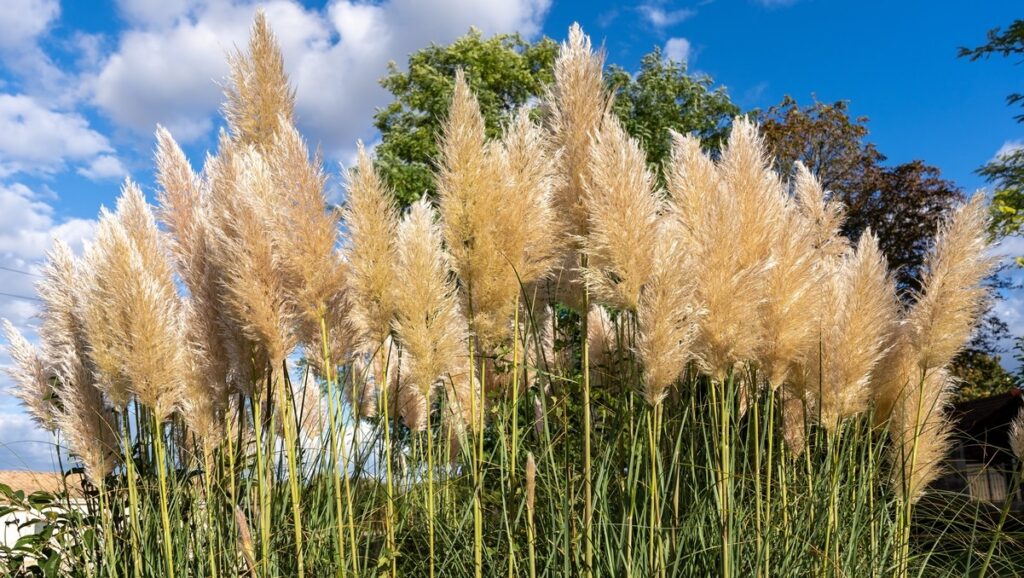
Allergies in Autumn Credit: RadekSzymczakPhoto/shutterstock
Hay fever type allergies are super miserable for anyone who suffers, and if you’re visiting Portugal this Autumn and sneezing more than usual, the culprit could very well be the trendy plant hidden in plain sight across Portugal’s countryside.
A popular plant with an unwanted spread
Known as Cortaderia selloana, pampas grass originally comes from South America. It was brought to Europe as an ornamental plant and became popular for its striking, fluffy flower heads.
Portugal’s countryside and roadside verges are now seeing much more of it. A 2025 survey found the plant in at least 208 different areas across mainland Portugal, placing it among the country’s ten most widely distributed invasive species. The real figure may be higher because some records depend on members of the public reporting sightings.
Helia Marchante, an invasive-plant specialist at the Polytechnic University of Coimbra, has warned that the species is spreading particularly quickly in some coastal areas. Pampas grass produces large numbers of seeds, which can be carried by the wind. Vehicles, clothes and gardening equipment may also transport them, and once it takes hold, the plant can form thick patches that leave less room for native flowers, grasses and other vegetation.
Why allergy sufferers may notice it
Pampas grass pollen can cause big problems for people who are particularly sensitive to it with the normal symptoms including sneezing, an itchy or blocked nose, watery eyes and breathing difficulties.
It’s also all about the timing, many familiar grasses release most of their pollen in spring and early summer, but pampas grass flowers later. Its pollen may therefore add to allergy problems during late summer and autumn, creating what experts describe as a second period of exposure in some parts of Portugal. Other plants, warmer weather and several airborne irritants can also affect how long allergy symptoms last.
What is being done?
Portugal classifies pampas grass as an invasive species, and its possession, cultivation, sale and release into the wild are restricted under national rules. Removal work is already taking place in some locations, although large, well-established plants can be difficult and expensive to deal with. Cutting off the feathery heads does not remove the roots, meaning follow-up work may be needed.
A European LIFE project is bringing organisations in Portugal, Spain and France together to control the species. The programme is concentrating on coastal areas protected under the Natura 2000 network and river corridors, with a target of removing the plant from 1,000 hectares.
Anyone with pampas grass in their garden should avoid moving or handling the plumes, particularly if they suffer from hay fever. Large plants are best assessed by a specialist or local authority, as careless removal could spread seeds.
So although it looks lovely in a vase, it may be far less welcome when your eyes start itching and you can’t stop your nose running.
Follow Euro Weekly News on Google News
Get breaking news from Spain, travel updates, and expat stories directly on your Google News feed.
Follow on Google NewsSign up for personalised news
Subscribe to our Euro Weekly News alerts to get the latest stories into your inbox!
By signing up, you will create a Euro Weekly News account if you don't already have one. Review our Privacy Policy for more information about our privacy practices.




Lucy Ramnought
Lucy Ramnought is a local news writer and mother of 4 from the UK who has lived in the Costa Del Sol for just over 4 years. With a background in content writing and social media for various companies, and with vast experience in PA and project management, Lucy is committed to producing accurate, engaging and reliable stories to her work at Euro Weekly News.
Comments