13 people ill from salmonella as Spanish eggs are pulled in ‘serious’ EU alert
By Harry Dennis • Published: 12 Oct 2026 • 17:03 • 3 minutes read
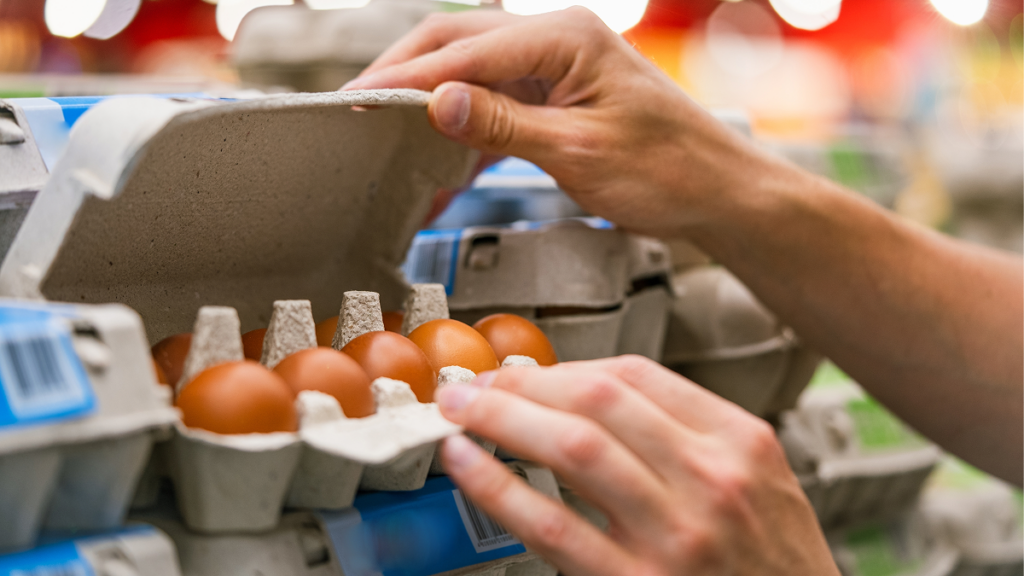
The brand behind the outbreak still hasn’t been confirmed. Credit: Elena Shishkina / Shutterstock
At least 13 people in Spain have fallen ill with salmonella after eating Spanish-produced eggs, with the batch, which was also sent to Portugal, now pulled from sale. However, shoppers still haven’t been told the brand, where it was sold or how many eggs were involved.
Which eggs are affected?
At this stage, nobody outside the authorities can say. Spanish officials reported the outbreak to the RASFF (the EU’s Rapid Alert System for Food and Feed) on Thursday October 8, confirming the eggs were produced in Spain and formed part of a batch also distributed in Portugal.
That batch has now been withdrawn from the market. However, the brand, the areas where the eggs were sold and the quantity withdrawn haven’t been made public, and nor has the condition of the 13 people who fell ill.
According to the notification, laboratory results dated Wednesday September 23 identified Salmonella Enteritidis (a strain closely linked to eggs and poultry) as part of a food surveillance programme. The EU network has classed the incident as ‘serious’, the highest of the four risk levels a notification can be given.
Why it isn’t on AESAN’s alerts page
Anyone heading to the website of AESAN (Spain’s food safety agency) for a list of affected eggs won’t find one, with the agency yet to give any further detail on the case. In fact, the outbreak doesn’t appear on its food alerts page at all. This usually happens when the agency considers a product no longer poses a risk to the public, because steps such as pulling the batch from sale are judged enough to prevent new cases.
However, that’s little comfort to anyone wondering if some of those eggs are already sitting in their cupboards at home, and until AESAN or the Portuguese authorities say more, there’s no way of checking.
Symptoms can start within six hours
Salmonellosis (the illness caused by salmonella) comes on suddenly, anywhere from six to 72 hours after eating contaminated food. It brings diarrhoea, stomach pain, nausea, repeated vomiting and fever, along with a miserable, wiped-out feeling. Most healthy people recover within a few days without complications. However, it can be serious, and even fatal, for older people and those with underlying health conditions.
AESAN’s standard advice in its food alerts is that anyone who develops these symptoms after eating a suspect product should go to their health centre.
Spain’s second egg-linked outbreak since August
It’s not the first time eggs have been in the spotlight this year. On Sunday August 9, 29 people fell ill in Eibar (Gipuzkoa) after eating tortillas at a single establishment, with nine taken to hospital. Health officials traced those eggs to a farm in Aragón and ordered them withdrawn from other premises.
Nothing reported so far links the two cases. Further afield, at least 306 people fell ill in Belgium in an outbreak traced to a single egg producer, with Portugal among the countries told they may have received those eggs.
Part of the problem is the bacteria itself. Laying hens can pick it up from feed, water or wild animals, carry it without showing any signs, and pass it to eggs either before the shell forms or through droppings as the egg is laid. Vaccination and tighter hygiene have cut outbreaks sharply across Europe, but crowded farms and how hardy the bacteria is mean cases still crop up.
How to cut the risk at home
Until more details are released, the usual food safety advice is the best protection, whether or not your eggs came from the affected batch. Castilla y León’s health service advises against buying eggs that are unlabelled, dirty, cracked or missing a best-before date, and says they shouldn’t be washed, as moisture helps salmonella get inside the shell.
It also recommends avoiding raw or undercooked egg, not cracking eggs on the rim of the bowl you’re beating them in and not separating yolks using the shell. Homemade mayonnaise should be eaten straight away rather than kept, while custards, cakes and sauces belong in the fridge and should be eaten within 24 hours.
So until AESAN releases a brand or batch number, those everyday habits are the only protection shoppers have.
Follow Euro Weekly News on Google News
Get breaking news from Spain, travel updates, and expat stories directly on your Google News feed.
Follow on Google NewsSign up for personalised news
Subscribe to our Euro Weekly News alerts to get the latest stories into your inbox!
By signing up, you will create a Euro Weekly News account if you don't already have one. Review our Privacy Policy for more information about our privacy practices.




Harry Dennis
Born in the UK and raised on the Cádiz coast, Harry brings his background in design, music, and photography to his writing for Euro Weekly News, sharing stories that celebrate culture and lifestyle across Spain and beyond.
Comments