Brits heading to Spain warned over fake travel permits as ETIAS applications remain closed
By Harry Dennis • Published: 14 Oct 2026 • 16:29 • 3 minutes read
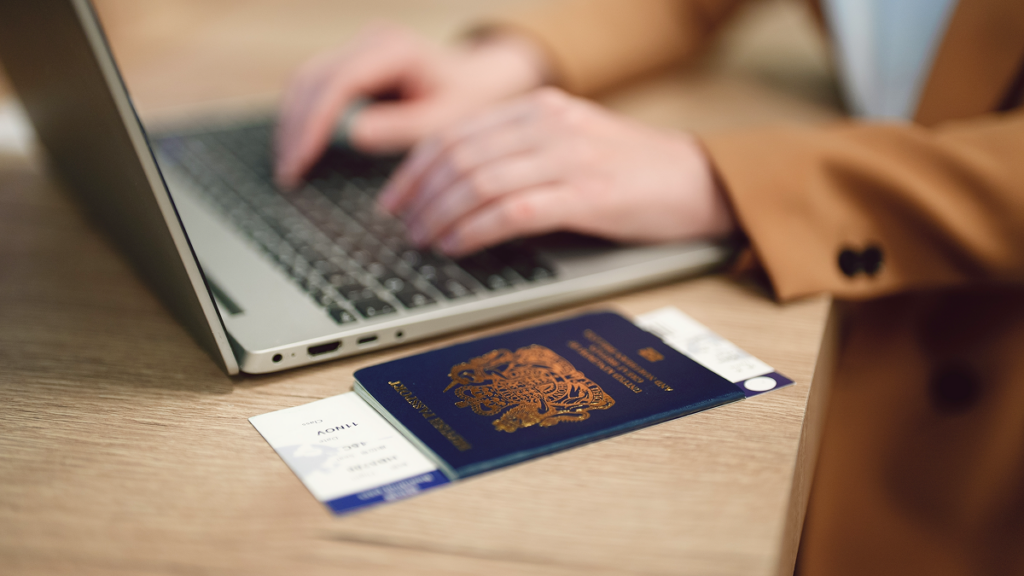
Don’t hand over passport details for a permit that doesn’t exist yet. Credit: M-Production / Shutterstock
British travellers planning trips to Spain are being offered an EU travel permit by more than 150 websites, even though nobody can actually get one yet. Paying now won’t get you through passport control any quicker, but it could hand your passport and card details to the wrong people.
Nobody can apply for ETIAS yet
Holidaymakers and second-home owners who’ve heard about the EU’s new travel permit may be tempted to tick it off the list early, but there’s actually nothing to tick off yet. The European Travel Information and Authorisation System (ETIAS, an online permission non-EU visitors will need before entering Spain and most of Europe) still isn’t open for applications, and there’s no confirmed launch date.
“While ETIAS was due to come into force this year, it is now back on hold,” said Luke Petherbridge, director of public affairs at ABTA (the UK travel association). ABTA believes it shouldn’t arrive until the EU’s Entry/Exit System (EES), the biometric border check already causing long queues at some airports, is fully working.
So any website taking money for an ETIAS today is charging for something that can’t yet be issued. ABTA’s own travel advice states that any websites claiming to offer this are false.
More than 150 websites are already selling it
More than 150 websites are offering ETIAS services despite the system not being live, according to figures highlighted by ABTA. Some copy the look of the official EU site, use convincing web addresses and give wrong information about who actually needs the permit.
Not every one of those sites is run by criminals, though. The EU border agency Frontex has long pointed out that commercial firms are allowed to apply on a traveller’s behalf, but only once ETIAS launches, only through the official website, and any extra fee they charge goes to them rather than the EU. Others are far less trustworthy.
The real danger lies in what you hand over, with an application asking for passport details, personal information and card payment, which is everything an identity thief needs. “If you use one of these sites, not only will you lose money, you are also putting your personal data at risk as well,” Petherbridge said.
What the real permit will cost when it arrives
When ETIAS does launch, applications will go through one official EU website. It’ll cost €20, and it’s free for anyone under 18 or aged 70 and over. It lasts three years, or until your passport expires if that comes sooner, and covers multiple trips. Get a new passport and you’ll need a new ETIAS too.
The EU has already pushed back the implementation of the new applications several times, as EWN reported in January.
Brits who live in Spain won’t need one
British residents in Spain with a valid residence permit, including the TIE (the foreigner identity card issued to residents), won’t need an ETIAS at all, ABTA confirmed. The same goes for anyone travelling on a visa, and Irish passport holders are exempt too.
However, second-home owners who split their time between the UK and Spain without residency will need one, as will friends and family flying out to visit. ABTA’s research found awareness of the upcoming rules has climbed from 41 per cent in 2024 to 56 per cent now, which still leaves plenty of travellers who could be caught out by a slick-looking site.
How to steer clear of the fake sites
The most basic test right now is that any site offering to process an ETIAS application is offering something that doesn’t exist yet. Once it launches, check the web address ends in europa.eu before typing in a single detail. Anyone who has already paid a website for an ETIAS should contact their bank about the payment and keep an eye out for any misuse of their passport details.
Until the EU names a launch date, the safest move is to pay nothing and keep checking ABTA’s advice and the official EU site for when applications actually open.
Follow Euro Weekly News on Google News
Get breaking news from Spain, travel updates, and expat stories directly on your Google News feed.
Follow on Google NewsSign up for personalised news
Subscribe to our Euro Weekly News alerts to get the latest stories into your inbox!
By signing up, you will create a Euro Weekly News account if you don't already have one. Review our Privacy Policy for more information about our privacy practices.





Harry Dennis
Born in the UK and raised on the Cádiz coast, Harry brings his background in design, music, and photography to his writing for Euro Weekly News, sharing stories that celebrate culture and lifestyle across Spain and beyond.
Comments