OCU reveals the biggest price changes in Spain: What costs more and what costs less
By Molly Grace • Published: 15 Oct 2026 • 22:21 • 3 minutes read
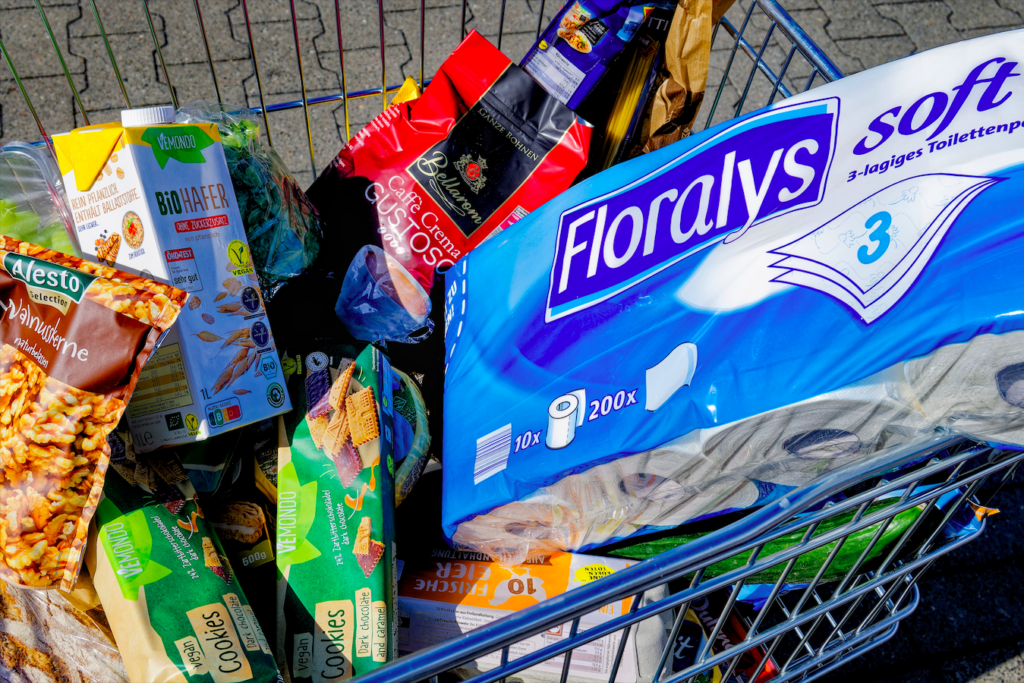
For shoppers, some of the sharpest increases are affecting everyday food. Photo credit: Mickis-Fotowelt/Shutterstock
Spain’s shopping basket has some surprising price changes hidden among the weekly essentials. Fresh berries have soared by 47.4 per cent in a year, eggs are up 12.3 per cent and citrus fruit costs 15.1 per cent more. Yet train fares have fallen by 11.2 per cent, making the latest inflation figures a mixed picture of steep increases and a few welcome reductions.
The latest figures, reported by the Organisation of Consumers and Users (OCU), show that 29 categories of goods and services have become more than 5 per cent more expensive over the past year, while just three have fallen by that amount. Spain’s annual inflation rate reached 4.9 per cent in September, its highest level since February 2023, according to the National Statistics Institute (INE). The figure, confirmed on 14 October, was up from 4.3 per cent in August.
Fresh berries, tomatoes and eggs among the biggest food price rises
For shoppers, some of the sharpest increases are affecting everyday food. Fresh berries recorded an annual price rise of 47.4 per cent. Fruit-bearing vegetables, including tomatoes and peppers, rose by 17.3 per cent, while citrus fruit became 15.1 per cent more expensive. Egg prices increased by 12.3 per cent and tropical fruit by 11.6 per cent.
Leafy and stem vegetables, green legumes and several types of meat, particularly beef and lamb, also recorded notable increases. These are regular items on many shopping lists, so price rises can quickly add up for households buying them every week. The OCU says the increases are particularly significant because many of the affected products are basic, frequently consumed foods.
The food price rises are part of a broader increase in the cost of living, with energy, transport and other services also contributing to inflation.
Fuel prices push inflation higher in Spain
Fuel has been one of the biggest drivers of the latest inflation figures. INE data show that liquid fuels, including heating gasoil and fuel oil, rose by 64.7 per cent over the year. Diesel increased by 34 per cent and petrol by 27.5 per cent. The increases have been linked to supply pressures following the outbreak of the Iran war in late February. By the end of September, the average price of petrol had reached €1.939 per litre, while diesel stood at €1.934, according to the European Union’s Oil Bulletin cited by 20minutos.
Drivers will retain some relief in November, with the €0.20-per-litre reduction on petrol and diesel continuing under the government’s existing measures. The extension does not guarantee lower pump prices, however, as the final cost will still depend on fuel prices. The rise in energy costs also affects businesses that rely on transport, potentially adding pressure to the prices of goods and services.
Travel, jewellery and clothing become more expensive
The increases extend beyond food and fuel. Jewellery and watches rose by 22.8 per cent over the year, while passenger air transport became 15.3 per cent more expensive. Baby clothing recorded a rise of 13.6 per cent. Housing-related costs also contributed to inflation. The INE reported a 7.2 per cent annual increase in the housing category, which includes expenses associated with water, electricity and gas.
The statistics agency also identified fuel prices and package holidays as key contributors to September’s overall rise. The headline inflation rate does not mean every item has risen by 4.9 per cent. It measures the change in the overall consumer price index compared with the same month a year earlier, while individual products can rise or fall by much more.
Which prices have fallen?
There have been some reductions, although far fewer categories have become substantially cheaper than more expensive. Passenger rail transport recorded the largest fall, with prices down 11.2 per cent over the year. Sea passenger transport dropped by 7.3 per cent, while newspapers became 5.9 per cent cheaper. Other price falls included sports equipment, down 4.7 per cent; coffee and substitutes, down 4.3 per cent; and video game equipment, down 4.2 per cent.
The OCU recommends comparing prices across areas such as food, energy, fuel, insurance, travel and electronics, where shopping around may help consumers find savings. But with 29 categories recording annual increases of more than 5 per cent and only three falling by that amount, the overall picture remains one of widespread price pressure. The biggest increases are not confined to one part of the household budget: they affect food shopping, transport, fuel and other everyday expenses.
Follow Euro Weekly News on Google News
Get breaking news from Spain, travel updates, and expat stories directly on your Google News feed.
Follow on Google NewsSign up for personalised news
Subscribe to our Euro Weekly News alerts to get the latest stories into your inbox!
By signing up, you will create a Euro Weekly News account if you don't already have one. Review our Privacy Policy for more information about our privacy practices.



Molly Grace
Molly is a British journalist and author who has lived in Spain for over 25 years. With a background in animal welfare, equestrian science, and veterinary nursing, she brings curiosity, humour, and a sharp investigative eye to her work. At Euro Weekly News, Molly explores the intersections of nature, culture, and community - drawing on her deep local knowledge and passion for stories that reflect life in Spain from the ground up.
Comments