Hidden Roman city on the Axarquia coast that most visitors walk straight past
By Lucy Ramnought • Published: 21 Oct 2026 • 15:14 • 2 minutes read
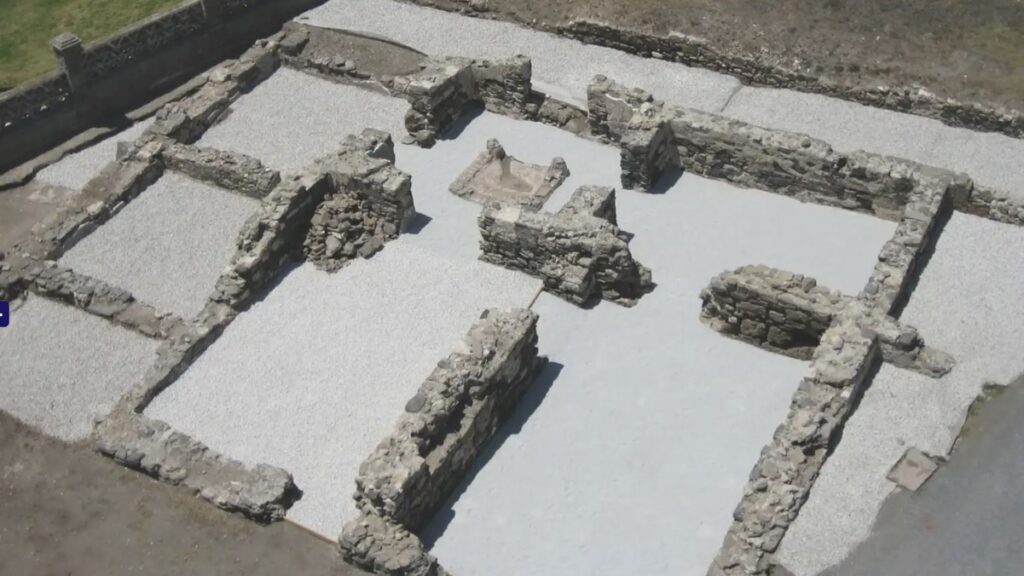
Caviclum Torrox Costa Credit: Credit:DiputacionMalaga
Picture yourself strolling along Torrox Costa, the white lighthouse ahead and waves rolling in. Now imagine that the ground beneath your feet holds a Roman community nearly 2,000 years old. Hardly anyone notices it, yet it is all still there.
What is Caviclum?
Caviclum sits beside the lighthouse, a short walk from the promenade and beaches in the Axarquia. Historians identify it with a stop called Caviclum in the Antonine Itinerary, an ancient Roman road guide, placed between Almuñecar and the mouth of the River Velez on the coastal route. But, do not expect towering columns. What survives is more revealing: a seaside villa, private baths, a fish-salting factory, two pottery kilns and a burial ground, all within easy walking distance.
A Roman home with sea views
Homes here were comfortable. Rooms were arranged around an atrium with a basin for collecting rainwater and a rectangular colonnaded courtyard. Walls were finished in red and ochre plaster, and floors were laid with mosaics, many in black and white geometric patterns, dating from the 2nd century onwards.
Next door, the baths show how a Roman wash worked: cold, warm and hot rooms, plus an underground system that sent hot air beneath the floors, a forerunner of central heating.
Where garum was made
Garum, a pungent fish sauce prized across the Roman world, kept Caviclum busy. Tanks lined with waterproof Roman mortar were used to process fish, and a small sheltered anchorage let boats carry the goods away.
Two kilns turned out the clay amphorae needed to pack and ship everything, so pots, tanks and harbour sat within a few steps of each other. Centuries later, some tanks were reused as graves, recording how the place changed from a busy workshop to a burial site.
Dates worth knowing
Settlement is thought to have started between the 2nd and 1st centuries BC, with building work continuing until the 4th century and later finds pointing to activity in the 6th. Regional authorities declared the site a Bien de Interes Cultural, Spain’s official heritage protection status, in 2007, and the protected zone covers around 60,300 square metres, according to La Nacion.
Rediscovery came in 1905, when the lighthouse keeper, Tomas Garcia Ruiz, began digging around the tower, which had been completed in 1864. Coastal building has since swallowed some of the evidence, so what remains is all the more precious.
Planning your visit
An interpretation centre in the former keeper’s quarters explains low walls that can otherwise look like rubble. Opening times and guided tours change with the season, so check with Torrox town hall or the nearby tourist office before you go. Please keep to the marked paths and leave every fragment where you found it.
Allow an hour among the ruins, then head back to the beach for lunch. Chances are you will never look at that lighthouse in quite the same way again.
Follow Euro Weekly News on Google News
Get breaking news from Spain, travel updates, and expat stories directly on your Google News feed.
Follow on Google NewsSign up for personalised news
Subscribe to our Euro Weekly News alerts to get the latest stories into your inbox!
By signing up, you will create a Euro Weekly News account if you don't already have one. Review our Privacy Policy for more information about our privacy practices.




Lucy Ramnought
Lucy Ramnought is a local news writer and mother of 4 from the UK who has lived in the Costa Del Sol for just over 4 years. With a background in content writing and social media for various companies, and with vast experience in PA and project management, Lucy is committed to producing accurate, engaging and reliable stories to her work at Euro Weekly News.
Comments