A place to belong: Spain’s homelessness campaign meets the Costas’ winter reality
By Adam Woodward • Published: 23 Oct 2026 • 9:46 • 3 minutes read
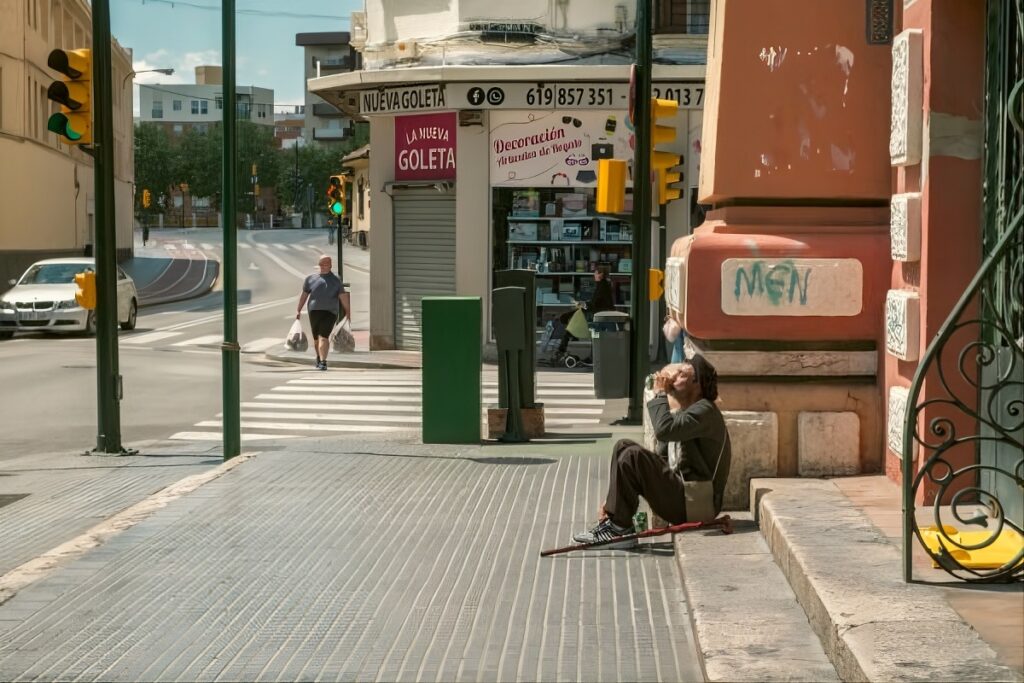
Homeless street sleepers growing in Madrid. Credit: Roberto Sorin - Shutterstock
Spain’s “Nadie Sin Hogar” campaign (no one without a home) is back with a clear message just as nights turn colder on the Costa del Sol, Costa Blanca and around Valencia. Yesterday’s street actions in Malaga’s Plaza de la Constitución and other cities built towards the October 25 Día de las Personas sin Hogar. This year’s slogan is “Un hogar, un lugar al que pertenecer” (a home is a place to belong).
Cáritas accompanied 44,475 people in situations of homelessness across Spain in 2025, up 3.8 per cent on the year before. Job loss, high rents, evictions and migration pressures remain the main routes into exclusion. Local charities on the Costas report the same pattern once seasonal work ends and rents stay higher than ever.
In Malaga city a new University of Malaga study of 647 people found 302 sleeping rough, a 63 per cent rise from 185 two years earlier. Almost one in five of those studied (117 people, or 18.1 per cent) have now been without stable housing for more than ten years. That long-term group has grown even though the average time on the street edged down slightly to 3.44 years. The figures point to chronification: more people becoming stuck for a decade or longer rather than moving on. Cáritas Malaga has previously accompanied more than 900 people across the province and Melilla through street teams, night centres and semi-supported housing.
One recent Costa del Sol case shows how quickly the absence of any place to return to can become total. In Benalmadena, Belén has been living in a small car after spinal surgery left her unable to work and in constant pain. She cannot reliably afford basic pain relief, her Minimum Living Income application was rejected after a long wait, and she has spoken of a recent suicide attempt.
Local association, El Vuelo de las Libélulas, says she requested euthanasia in mid-October and is now raising money for an adapted older van or motorhome plus medical and psychological support. Spain’s euthanasia law requires a qualifying medical condition; homelessness alone does not qualify, and a request is not the same as approval. The association’s argument matches the campaign: nobody should reach the point of choosing death simply because basic shelter and care are missing.
Similar pressures exist on the Costa Blanca and in the Valencia area, where rental costs and the end of tourist-season jobs leave many without a stable base. Across these regions, people who have lost housing also lose the everyday links that make belonging possible.
What cold weather actually triggers
Authorities in Spain activate “olas de frío” protocols when temperatures stay low for several days. On the Costas this usually means extra emergency night shelter places, temporary municipal spaces and increased street outreach. Capacity is still limited, and many people remain outside because existing options cannot meet demand or do not fit their situation. Cold weather raises health risks for anyone already dealing with untreated pain, chronic illness or mental-health difficulties.
Housing First and other practical routes
Housing First programmes, which put people into stable housing first and then add support, have been piloted in parts of Andalucía, including Malaga, by groups such as Provivienda and Hogar Sí. They reverse the older model that asked people to prove they were ready before they could get a home. Local versions remain small and rely on limited funding, yet they offer one route back to a place people can actually return to. Other useful steps include easier empadronamiento for people without a fixed address, faster disability assessments, and better links between hospitals and social services so patients are not discharged onto the street.
How readers can help
Local Cáritas offices, council social services and groups such as El Vuelo de las Libélulas in Benalmadena accept donations of warm clothing, food or funds for specific needs. Volunteering for outreach or befriending also fills gaps that formal services cannot cover alone. Checking the Cáritas campaign pages or local association updates gives the most current details on this year’s actions.
A home, the campaign argues, is more than a roof. It is the ordinary certainty of somewhere to go back to, someone who notices, and the chance to plan beyond the next night. On the Costas, as temperatures fall, that certainty is still out of reach for a growing number of people, including those who have already been waiting a decade for a place to belong.
Follow Euro Weekly News on Google News
Get breaking news from Spain, travel updates, and expat stories directly on your Google News feed.
Follow on Google NewsSign up for personalised news
Subscribe to our Euro Weekly News alerts to get the latest stories into your inbox!
By signing up, you will create a Euro Weekly News account if you don't already have one. Review our Privacy Policy for more information about our privacy practices.




Adam Woodward
Adam is a writer who has lived in Spain for over 25 years. With a background in English teaching and a passion for music, food, and the arts, he brings a rich personal perspective to his work at Euro Weekly News. As a father of three with deep roots in Spanish life, Adam writes engaging stories that explore culture, lifestyle, and the everyday experiences that shape communities across Spain.
Comments