Malaga has almost twice as many pets as children, according to latest figures
By Adam Woodward • Published: 26 Oct 2026 • 8:04 • 2 minutes read
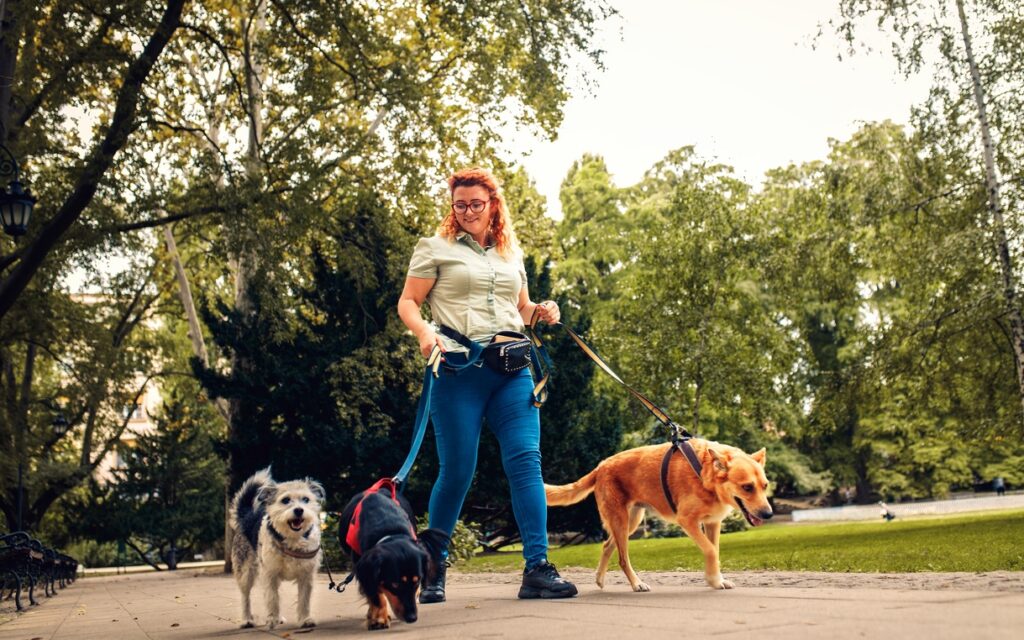
More dogs than children? Credit: Zoran Zeremski - Shutterstock
Malaga province has almost twice as many registered pets as children and teenagers, according to the latest figures from the Junta de Andalucia.
The province has 575,634 registered companion animals, compared with 312,526 residents aged under 18. That works out at approximately 1.84 registered animals for every child or teenager.
These figures also reveal a striking divide between the two most popular pets. Malaga has almost as many registered dogs as Seville, but it leads Andalucia for registered cats. The latest numbers, reported in October 2026, come from the Junta’s Registro Central de Animales de Compañía (RAIA).
Malaga has more than 124,000 registered cats
Of the 575,634 companion animals registered in Malaga province, 446,933 are dogs and 124,920 are cats. The remaining animals include 2,357 ferrets and 1,424 belonging to other species.
Malaga has the highest number of registered cats in Andalucia, comfortably ahead of Seville, which has 84,098, and Cadiz, with 75,102. The province’s dog population is also close to taking the regional lead. Seville has 447,211 registered dogs, just 278 more than Malaga. Across Andalucia, the register lists 2,176,745 dogs, accounting for 82.6 per cent of registered pets.
Pets outnumber children in Malaga
The comparison between registered pets and children is particularly striking because Malaga also has one of the largest populations of young people in Andalucia. The province accounts for 20.3 per cent of the region’s population aged under 18, with 312,526 children and teenagers. Only Seville has more. Yet the total number of registered companion animals is 263,108 higher than the number of under-18s.
The finding updates a comparison previously reported by Euro Weekly News in February 2021, when the province had 494,563 registered pets and 260,225 children under 14. The two sets of figures use different age groups for the child population, so they should not be treated as a direct like-for-like comparison. However, the latest figures provide an updated picture of the scale of registered pet ownership in Malaga.
Why registering pets matters
Figures come from Andalucia’s Central Register of Companion Animals, which records animals that must be identified under regional rules. Registration helps authorities and veterinary professionals trace animals to their owners, reunite lost pets with their families and support action in cases of suspected mistreatment.
This register also supports preventive health programmes and responses to diseases that can spread between animals or, in some cases, to people.
For pet owners, identification and registration are important legal responsibilities. Dogs, cats and ferrets must be identified with a microchip and entered in the relevant regional register under Andalucian rules. Numbers of registered animals rather than every pet living in the province, show the actual number of dogs and cats may be different.
Nevertheless, the latest totals go to show the scale of pet ownership in Malaga, where registered pets now number almost twice the population aged under 18.
Follow Euro Weekly News on Google News
Get breaking news from Spain, travel updates, and expat stories directly on your Google News feed.
Follow on Google NewsSign up for personalised news
Subscribe to our Euro Weekly News alerts to get the latest stories into your inbox!
By signing up, you will create a Euro Weekly News account if you don't already have one. Review our Privacy Policy for more information about our privacy practices.




Adam Woodward
Adam is a writer who has lived in Spain for over 25 years. With a background in English teaching and a passion for music, food, and the arts, he brings a rich personal perspective to his work at Euro Weekly News. As a father of three with deep roots in Spanish life, Adam writes engaging stories that explore culture, lifestyle, and the everyday experiences that shape communities across Spain.
Comments